


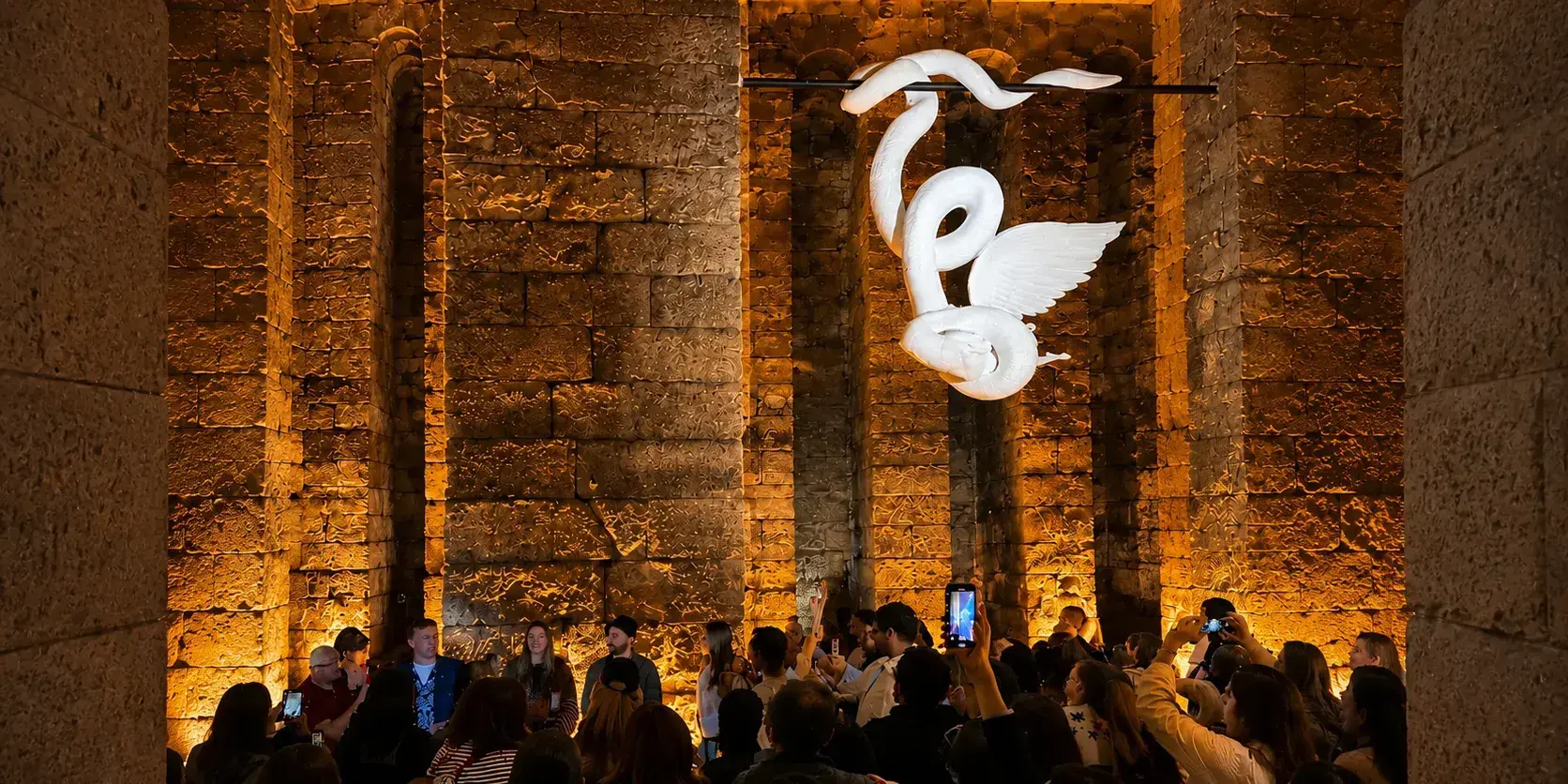
Hosted by the Mardin Cinema Association and directed by Döne Otyam and Hakan Irmak, the 7th Mardin Biennial officially welcomed visitors with its opening program held on May 15, 2026 at the Sakıp Sabancı Mardin City Museum. Curated by Çelenk Bafra and presented with the main sponsorship of PEUGEOT, the biennial will continue to meet art audiences across various locations in Mardin until June 21, 2026.
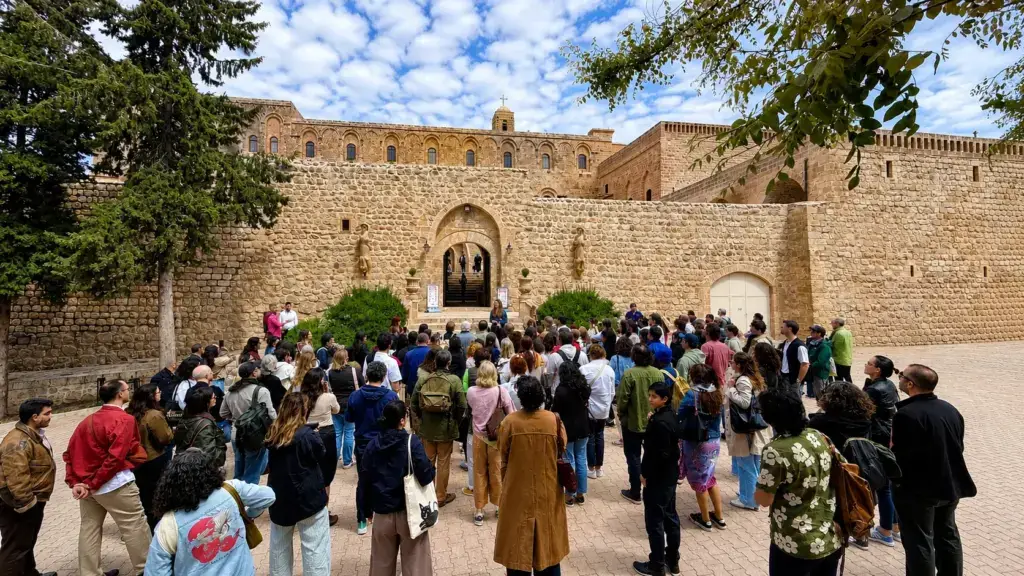
Held under the title “SKYground,” the biennial brings together 42 artists and artist collectives from Turkey and 20 different countries in Mardin. Shaped through exhibitions, site-specific installations, performances, and public space projects, this year’s edition expands beyond the boundaries of the old city for the first time, inviting visitors to explore the region’s diverse geographies.
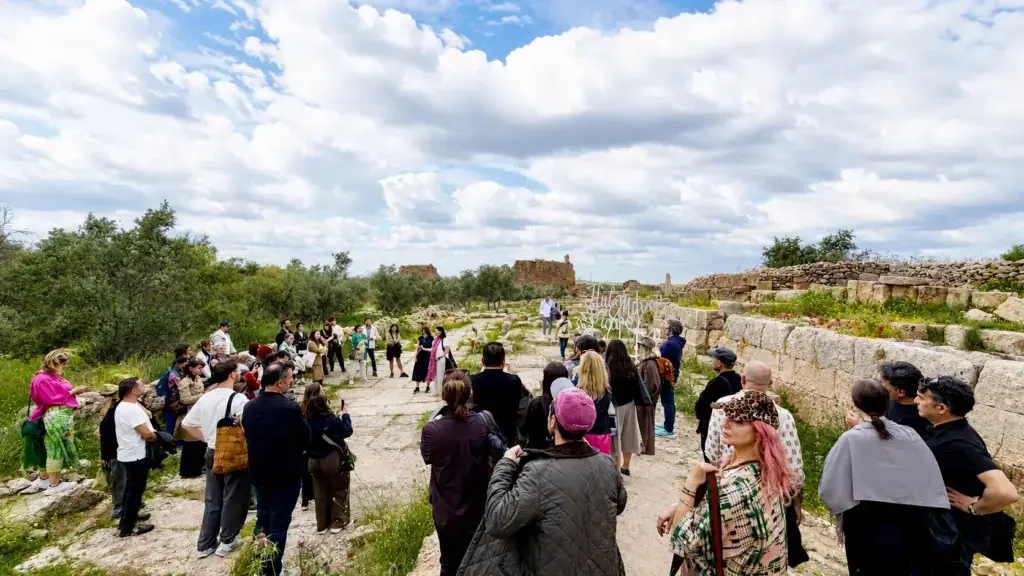
This year, the 7th Mardin Biennial takes place across Sakıp Sabancı Mardin City Museum, Deyrulzafaran Monastery, Dara Ancient City, Caravanserai, Marangozlar Coffeehouse, and Ateş Beyler Bathhouse, which is participating as a biennial venue for the first time. The biennial extends beyond exhibition spaces into the city itself — through a shopkeeper sharing his coffeehouse, a family opening their bathhouse to the biennial, and the relationships it establishes within everyday life. The Mardin Biennial continues this year, with significant public interest, to sustain the relationship it builds between contemporary art and the geography in which it takes place through different venues and encounters.
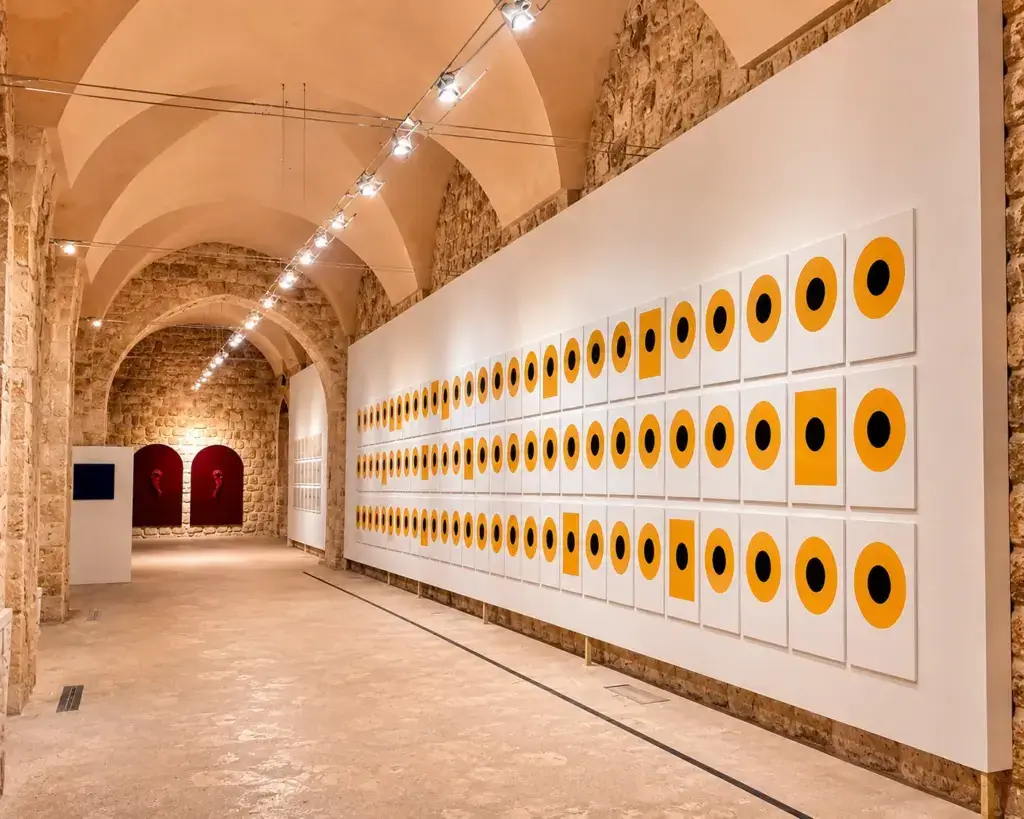
A significant portion of the 42 artists participating in the biennial come from different cities across Turkey and from the Southeast, while the international participants predominantly come from non-Western geographies. What they share is that they come from regions shaped by historical, cultural, and social ruptures, and for this reason are able to establish a strong connection with Mardin.
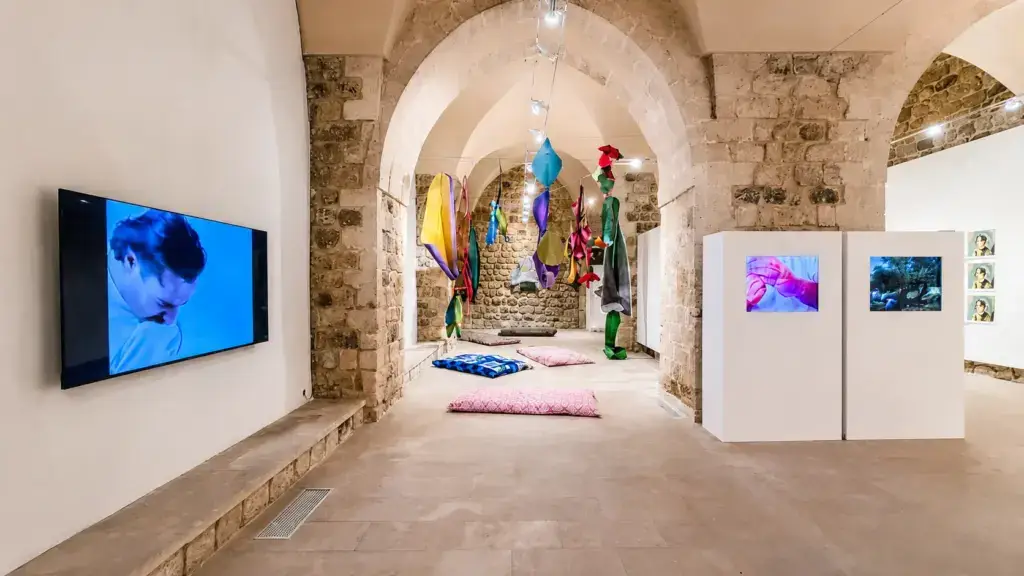
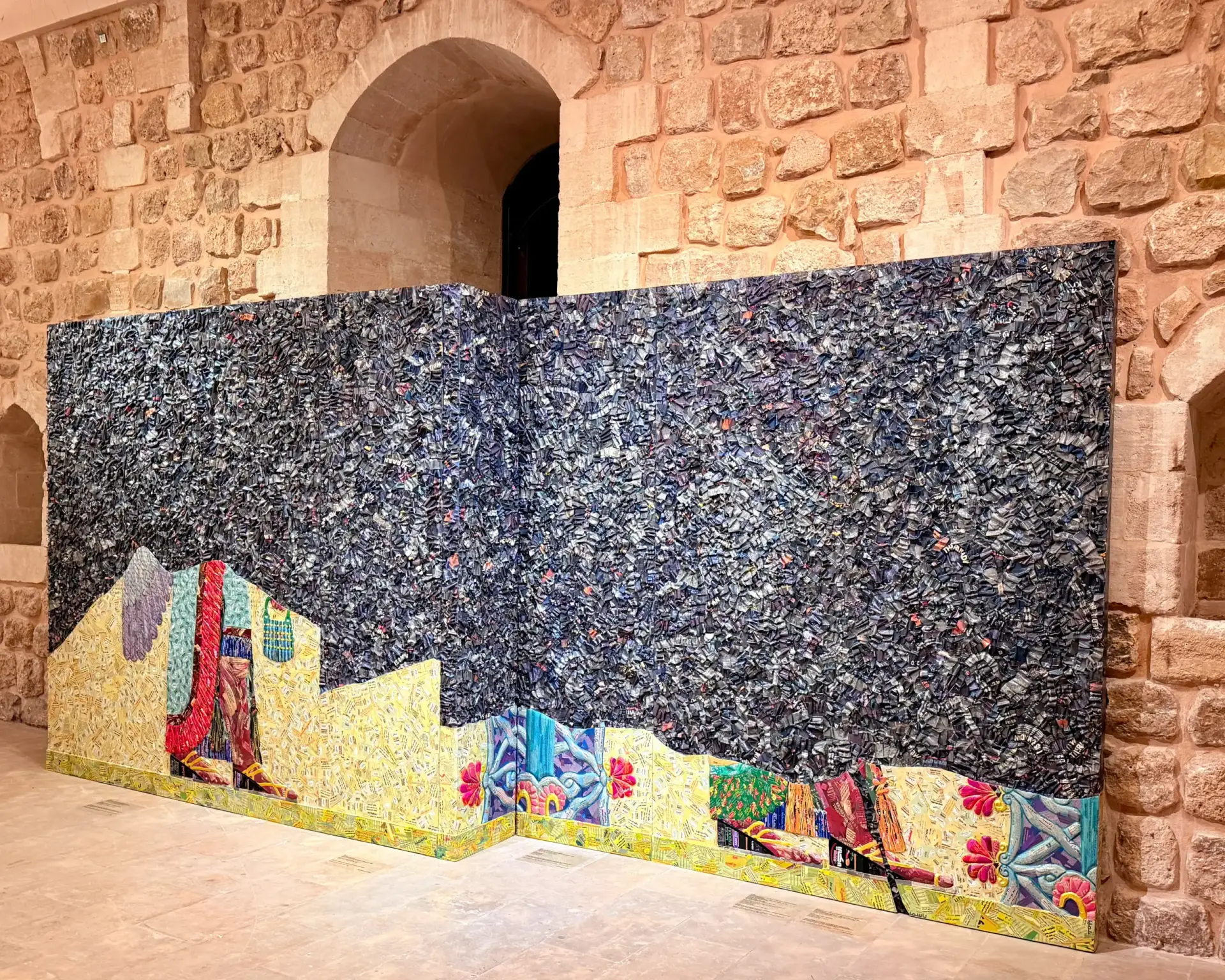
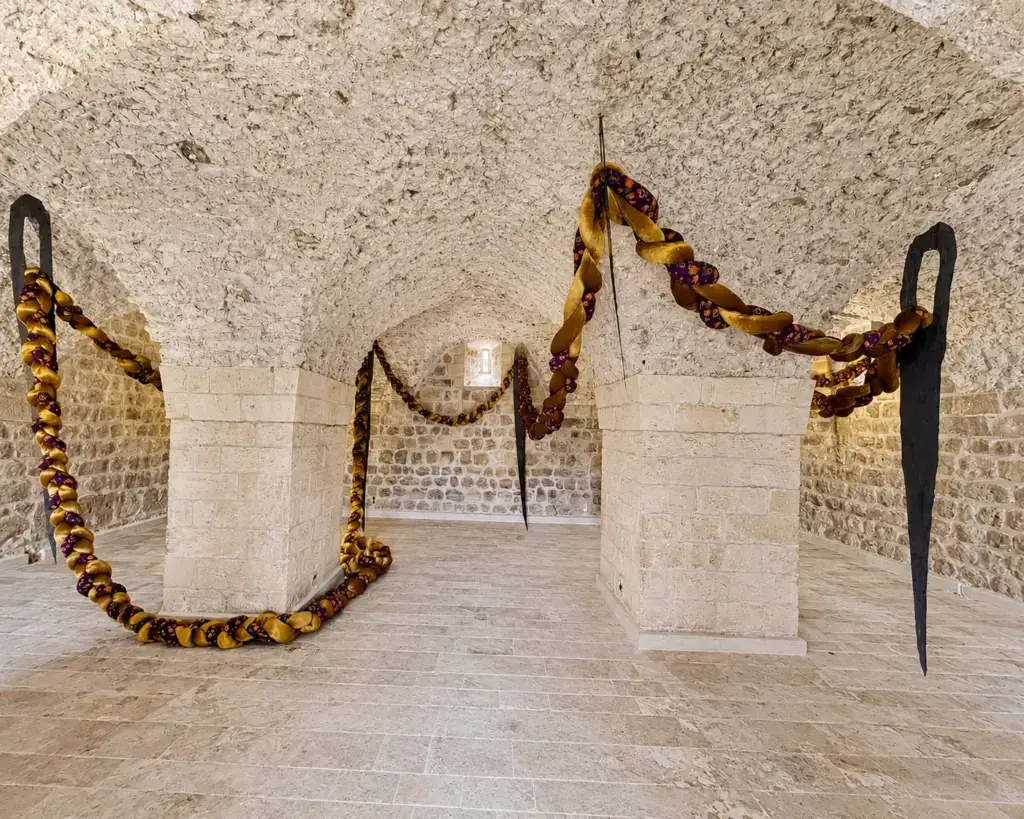
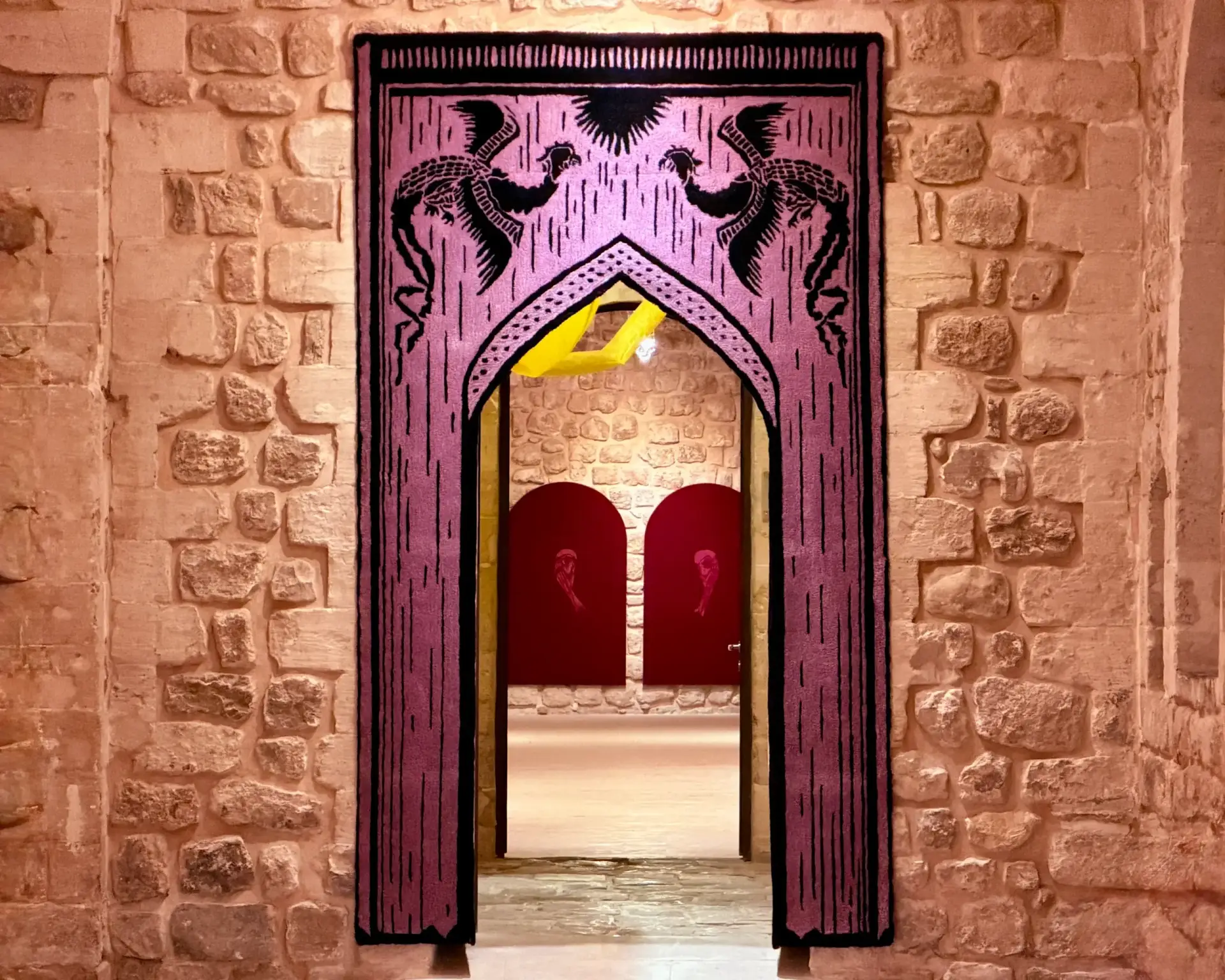
What shaped the exhibition was not merely the physical placement of the works, but the relationship they established with the historical and social atmosphere carried by the city itself. In this context, many artists reconsidered and developed their practices through the time they spent in Mardin, while others transformed pre-existing works in response to the biennial’s conceptual framework. One example is Vahap Avşar’s installation featuring bee colonies, originally produced for the Bukhara Biennial, which acquired a new layer of meaning here through its dialogue with the ecosystem of the Deyrulzafaran Monastery.
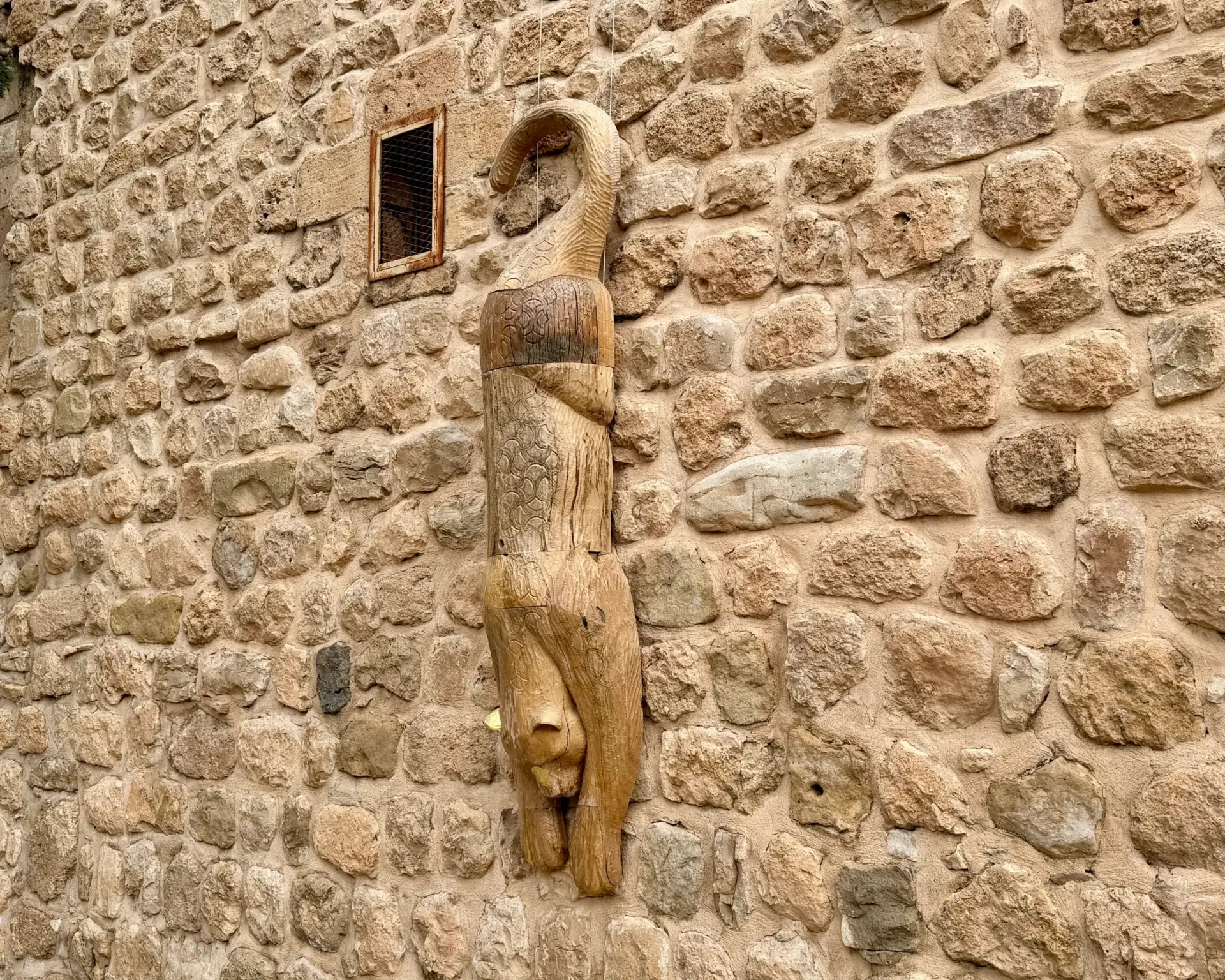
The Mardin Biennial continues to explore the relationship between contemporary art and its geographical location through diverse venues and encounters.
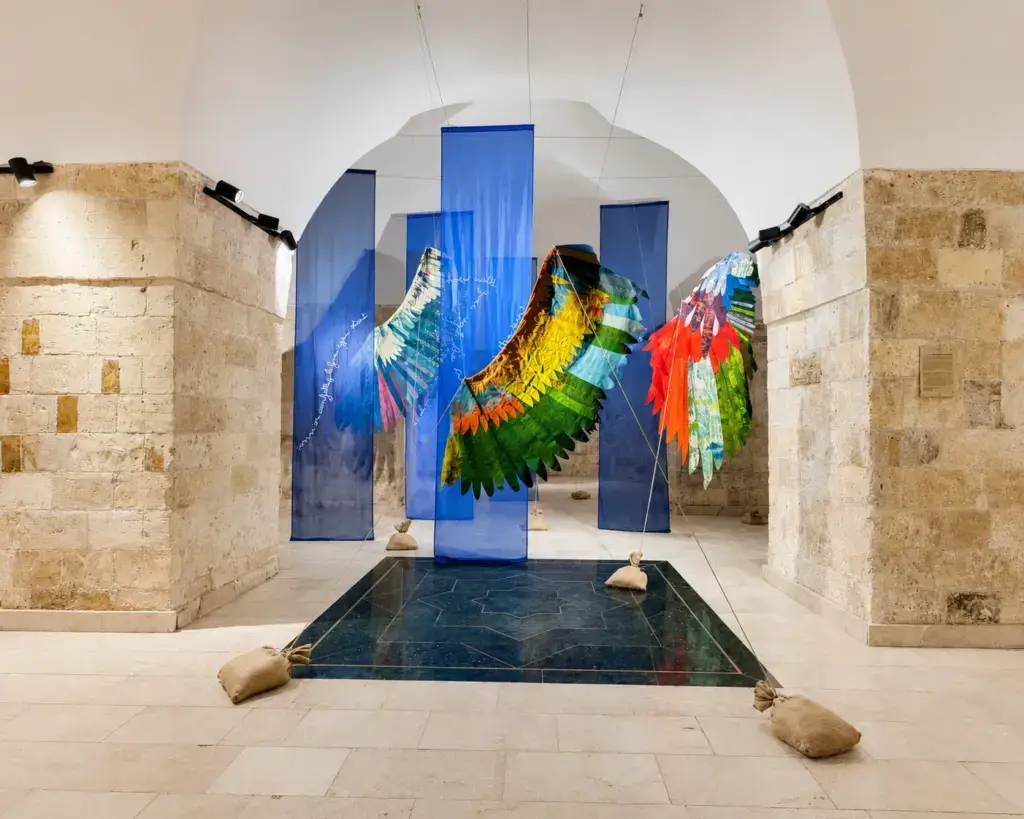
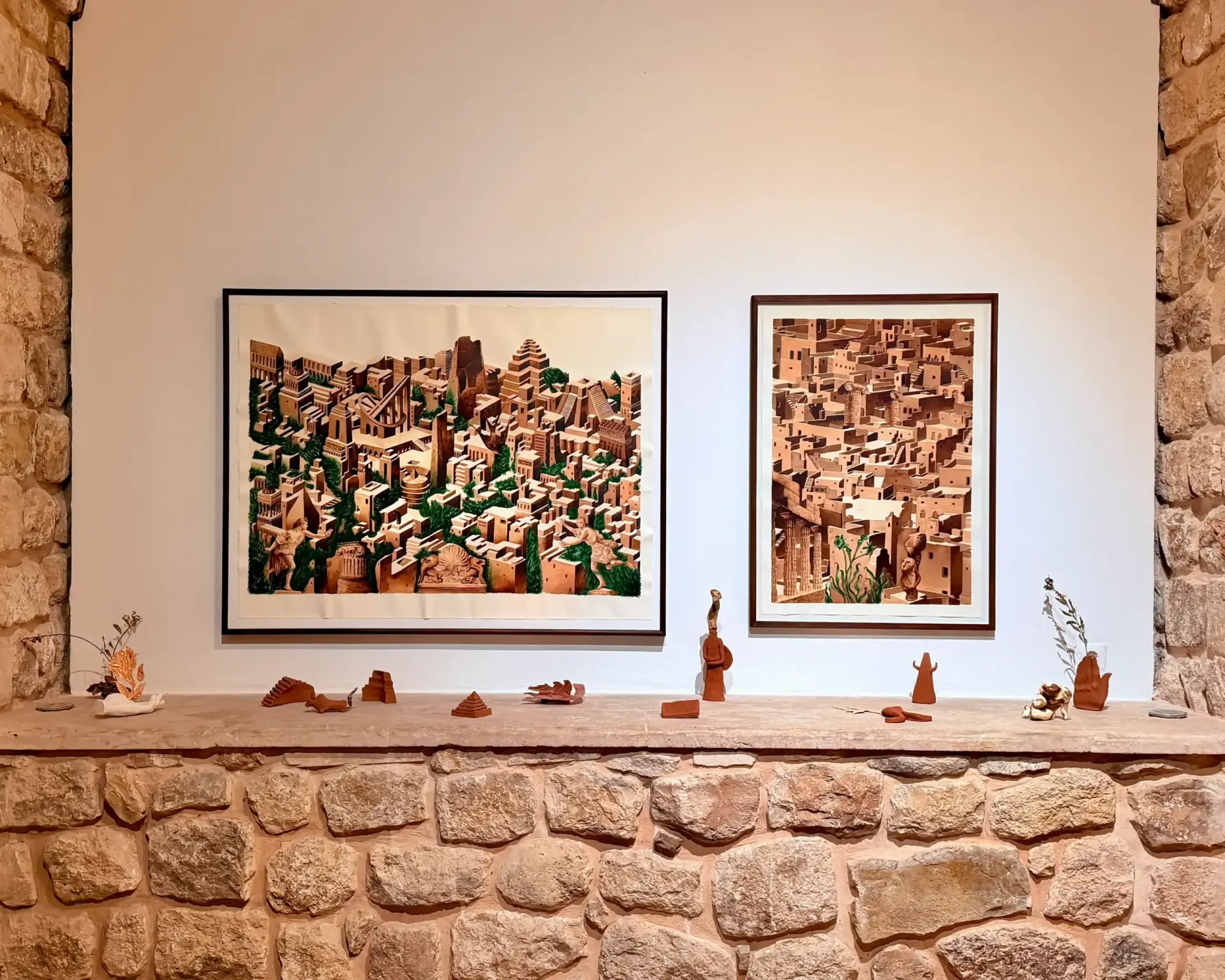
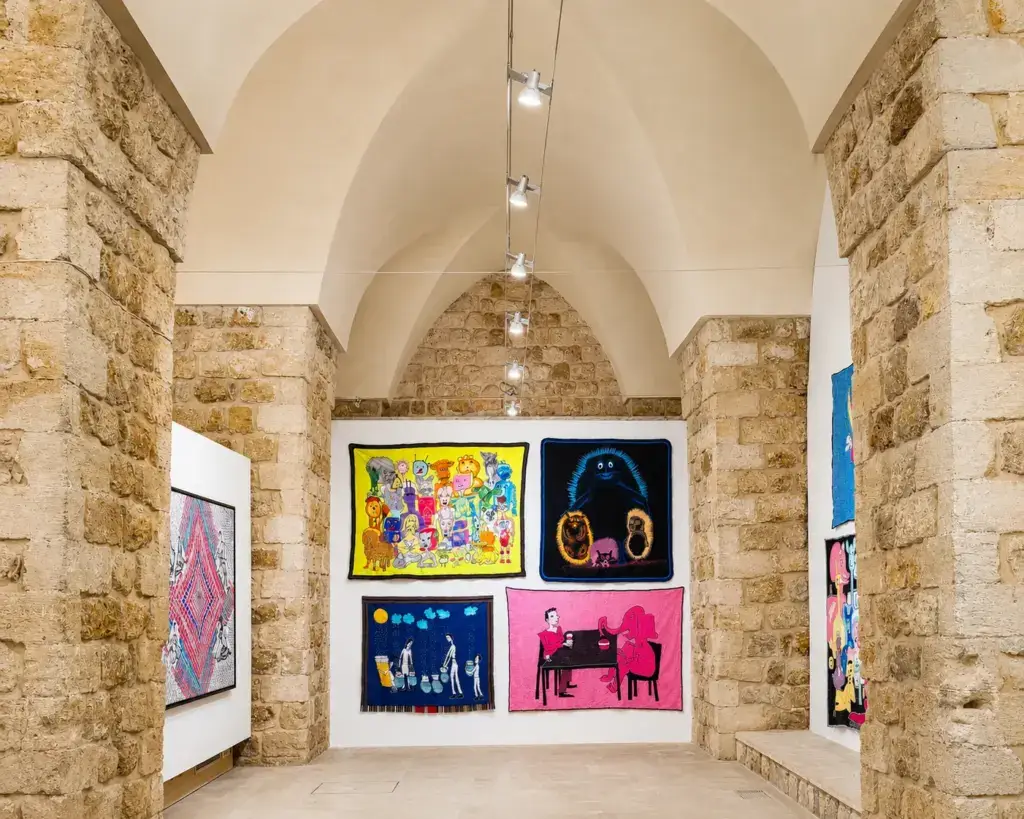
You can access the conceptual details and other important information about the 7.Mardin Biennale here.
Cover Image: Alper Aydın, Dara Ancient City