


15 May – 21 June 2026
The 7th edition of the Mardin Biennial, to be held under the directorship of Döne Otyam and Hakan Irmak, hosted by the Mardin Cinema Association, curated by Çelenk Bafra, and realized with PEUGEOT as the main sponsor, will meet art audiences between 15 May and 21 June 2026.
Organized since 2010, the Mardin Biennial, for the first time in its history, expands beyond the boundaries of the old city with this edition, inviting viewers to explore different geographical and cultural layers of the region through exhibitions held in the Ancient City of Dara, the Deyrulzafaran Monastery, and Kızıltepe.
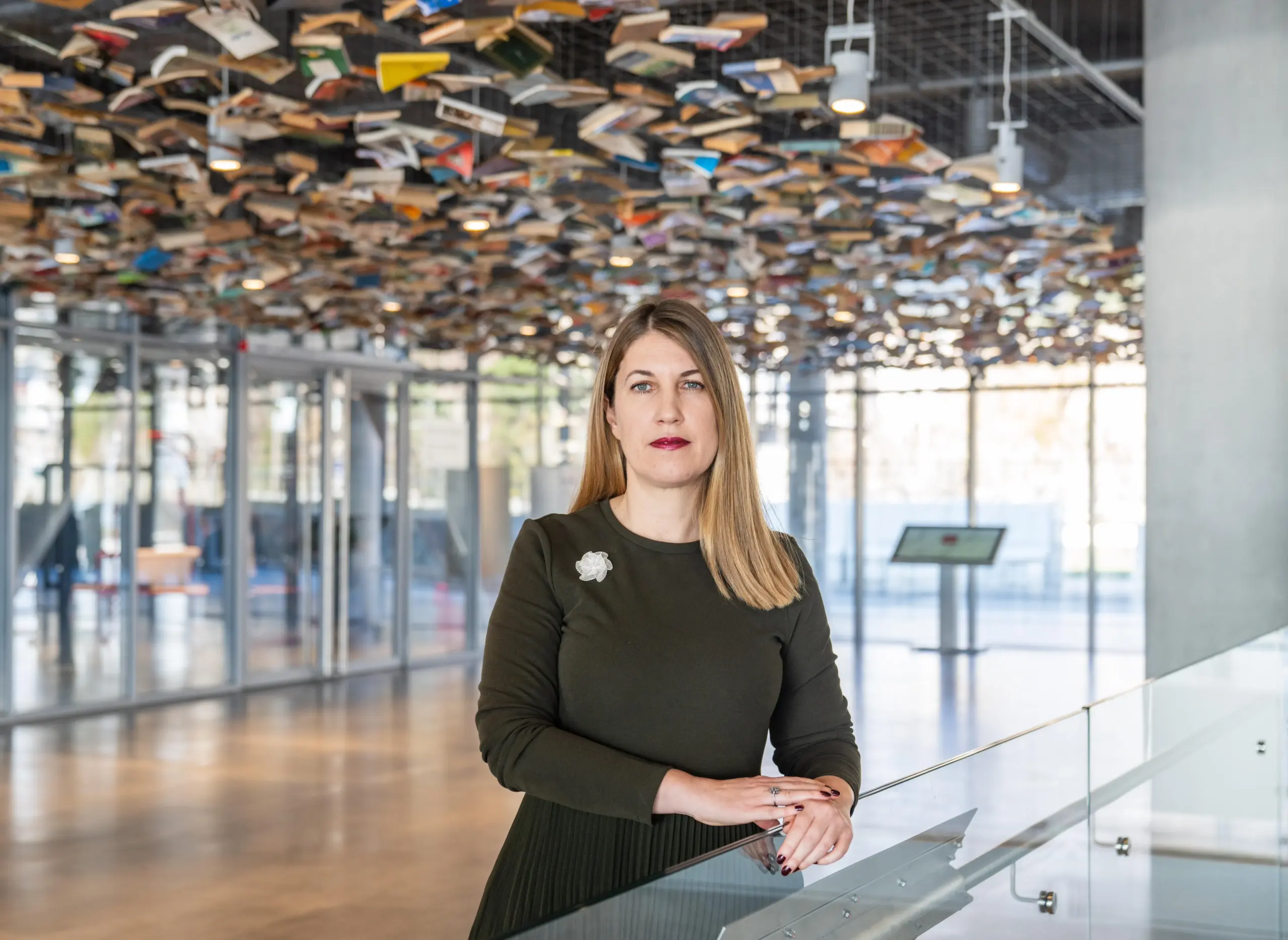
The title of the 7th Mardin Biennial: “SKYground”
The biennial makes visible, in the context of Mardin, the relationships that contemporary art establishes between the real and the imaginary, the material and the spiritual, the political and the poetic. This framework, which draws a line of thought and emotion between sky and ground, the individual and the collective, the past and the future, invites the viewer on a layered journey between poles that may appear contradictory. Bringing together “sky” and “ground,” which divide the horizon into two, the biennial opens a silent passage between worlds thought to be distant from one another.
In the biennial, which calls the viewer to a multi-layered experience extending both upward and inward, birds—holding a special place in the cultural memory of the region—serve as guides. Carrying with them the stories absorbed into the stones of Mardin and the winds unique to its geography, birds glide between sky and ground, tracing routes among exhibitions, site-specific installations, and performances across different points of the city.

The conceptual compass of the biennial points to two literary works that appear to stand in opposition to one another: The Birds, the comedy by Aristophanes, and Mantıku’t-Tayr (The Conference of the Birds) by Ferîdüddîn Attâr. Both texts treat birds not merely as part of nature, but as symbols of quest, critique, resistance, and transformation.
Situated at the crossroads of different civilizations throughout history, Mardin offers a multi-layered heritage through its architecture, historical accumulation, and social fabric. The city’s elevated position and its horizon opening onto Upper Mesopotamia are among the fundamental elements that shape both the conceptual orientation and the sensory atmosphere of SKYground.
Can a common ground on which freedom and happiness might flourish be reimagined? Is a sky opening toward goodness and truth still possible?
As the Mardin Biennial takes shape around these questions, it extends beyond the old city for the first time, inviting viewers on a journey across the city’s diverse geographies. New exhibition venues are Dara Ancient City, Deyrulzafaran Monastery, and Ateş Beyler Hamamı – a hammam in Kızıltepe – alongside Kervansaray, Marangozlar Kahvesi (Carpenter’s Café), and Sakıp Sabancı Mardin City Museum in Old Mardin.
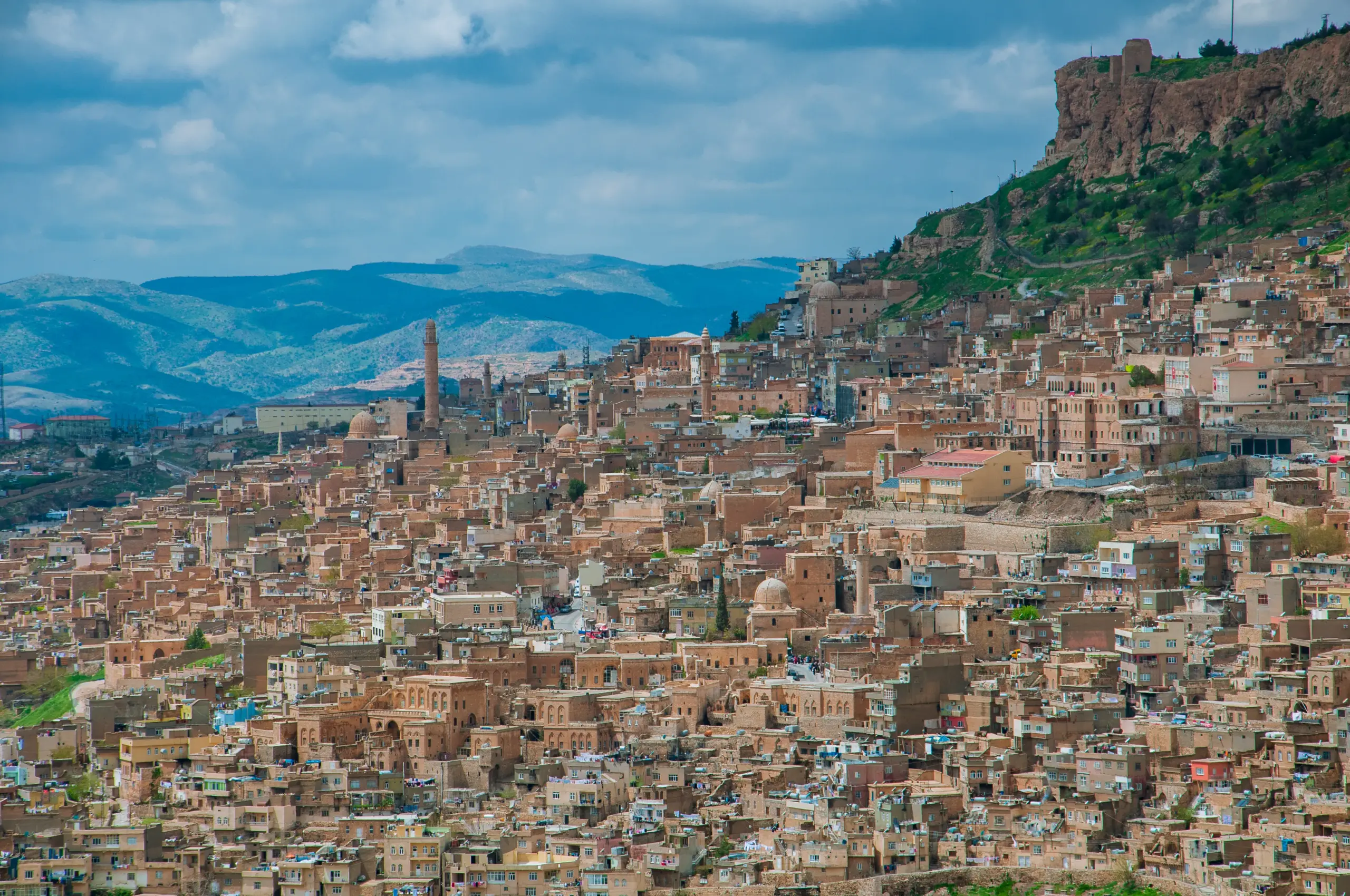
The 7th Mardin Biennial brings together 41 artists and artist collectives from 20 countries, including six artists based in Mardin and its surrounding region. While several participants are developing newly commissioned works for the biennial, others present existing works adapted to the conceptual framework and historical context of the city. The exhibition spans painting, sculpture, video, photography, performance, sound, and site-specific installations. The biennial also includes curatorial collaborations with House of Taswir for “Gaza Biennale Initiative”, and with Stadtkuratorin Hamburg / City Curator Hamburg for “From the Cosmos to the Commons” program.
Artists
(listed alphabetically by surname)
Hamra Abbas (1976, Lahore), Yasmeen Al Daya (2001, Gaza), Carlos Aires (1974, Málaga), Rozelin Akgün (1995, Diyarbakır), Hüseyin Aksoy (1995, Mardin), Fares Ayash (1984, Gaza), Vahap Avşar (1965, Malatya), Alper Aydın (1989, Ordu), Mehtap Baydu (Bingöl), Bi Acayip Hâne (Senem Râbia Sekban & Fatma Alara Akgün, founded 2020), Mehmet Ali Boran (1981, Mardin), Hilal Can (1987, Çanakkale), Cansu Çakar (1988, Istanbul), Isaac Chong Wai (1990, Guangdong), Canan Dağdelen (1960, Istanbul), Özgür Demirci (1981, Konya), Bawer Doğanay (1990, Mardin), Jakup Ferri (1981, Pristina), Alfredo Jaar (1956, Santiago de Chile), Ekin Kano (1990, Istanbul), Šejla Kamerić (1976, Sarajevo), Ali Kaaf (1977, Oran), Esmeralda Kosmatopoulos (1981, Thessaloniki), Pelin Kırca (1982, Ankara), Kite (Dr. Suzanne Kite) (1990, Oglála Lakȟóta), Hiwa K (1975, Sulaymaniyah), Gözde İlkin (1981, Istanbul), Ahmet Doğu İpek (1983, Adıyaman), Basim Magdy (1977, Asyut), Maro Michalakakos (1967, Athens), Małgorzata Mirga-Tas (1978, Zakopane), Zahit Mungan (1991, Mardin), Erkan Özgen (1971, Mardin), Khalil Rabah (1961, Ramallah), Michael Rakowitz (1973, New York), Camila Rocha (1977, São Paulo), Selçuk Artut (1976, Istanbul), Slavs and Tatars (founded 2006), Xul Solar (1887–1963, Buenos Aires), Erinç Seymen (1980, Istanbul), İrem Tok (1982, Istanbul)
Venues and Artists
Sakıp Sabancı Mardin City Museum
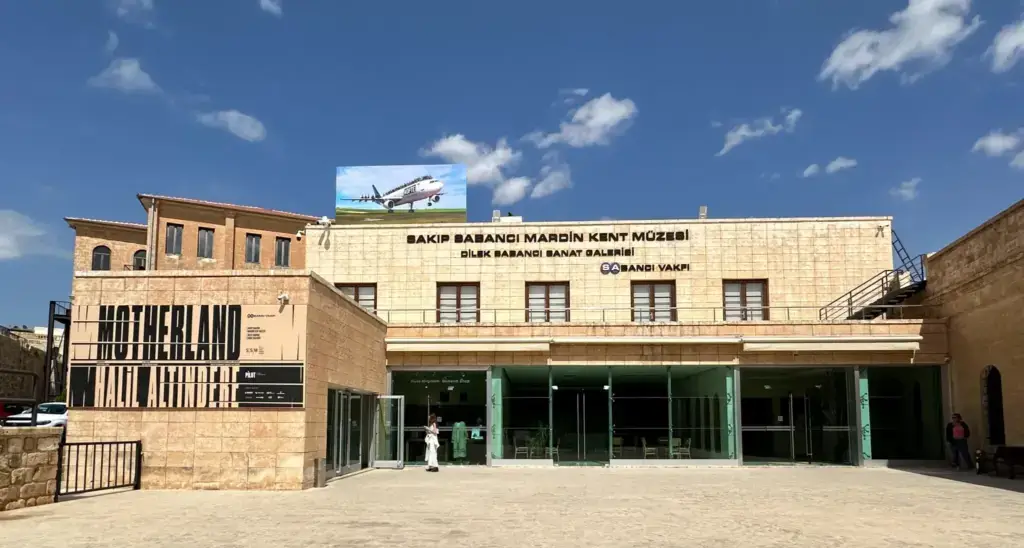
Sakıp Sabancı Mardin City Museum is situated within Mardin’s historic urban fabric and functions as an exhibition space where contemporary display practices interact with layered architectural continuity. Constructed in 1889 during the reign of Abdülhamid II by the Governor of Diyarbakır, Hacı Hasan Paşa, the building was designed by architect Sarkis Elyas Lole as a cavalry barracks. After serving military purposes for many years, the structure now houses the Sakıp Sabancı Mardin City Museum and Dilek Sabancı Art Gallery, bringing together multiple layers of collective memory within a single architectural complex. Thick stone walls, restrained openings, and inward-oriented spaces preserve the building’s disciplined character, while contemporary exhibitions establish a direct dialogue with its historical atmosphere and enduring spatial continuity today.
Artists presented at Sakıp Sabancı Mardin Kent Museum:
Ahmet Doğu İpek, Ali Kaaf, Camila Rocha, Cansu Çakar, Erinç Seymen, Erkan Özgen, Hamra Abbas, Hiwa K, Hüseyin Aksoy, Isaac Chong Wai, İrem Tok, Jakup Ferri, Khalil Rabah, Margorzata Mirga-Tas, Maro Michalakakos, Michael Rakowitz, Özgür Demirci, Slavs and Tatars, Zahit Mungan
Kızıltepe Ateş Beyler Hammam
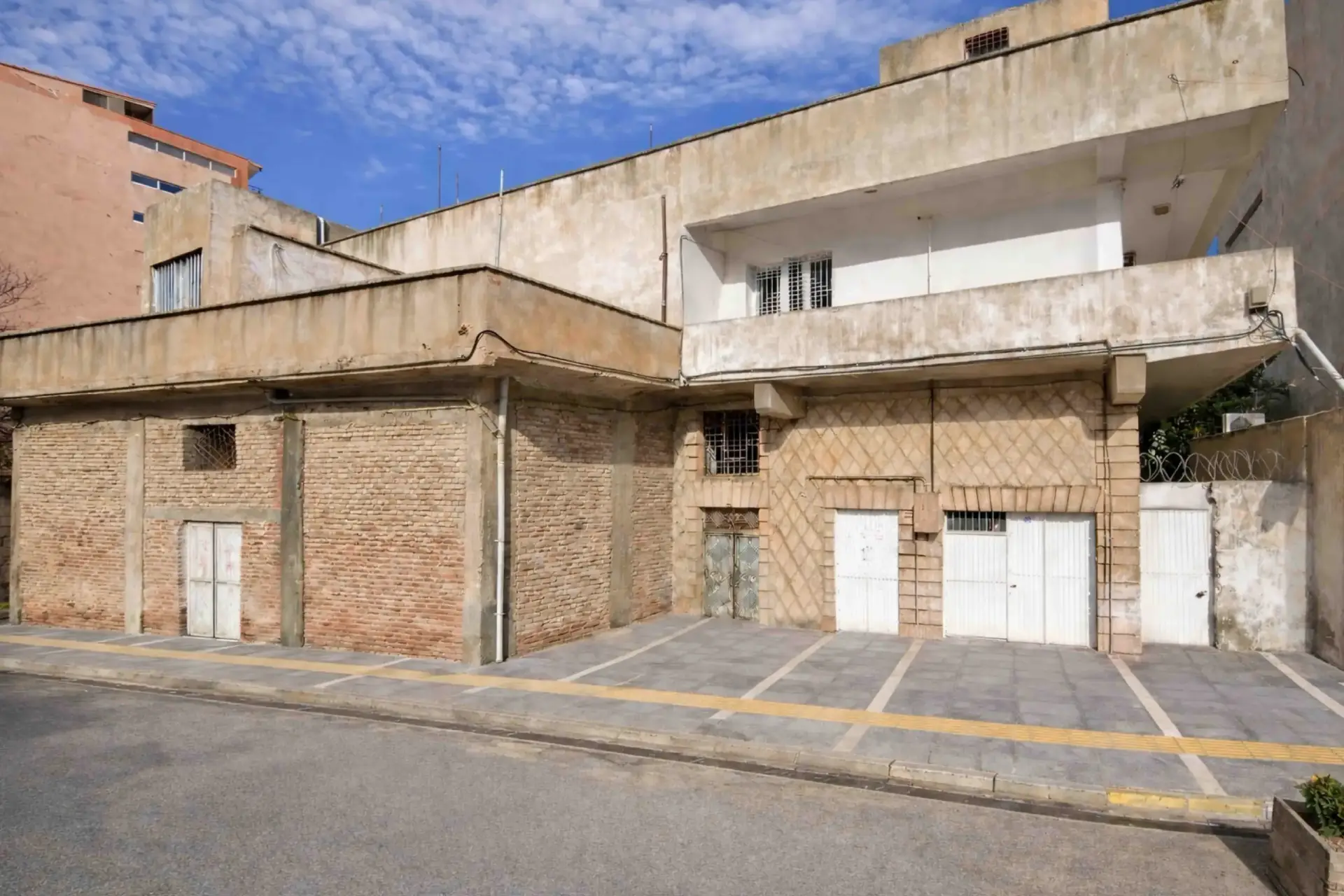
Construction of Ateş Beyler Hamamı began in 1965, and the building officially opened in 1967. Operated by Abdurrahman Ateş, it functioned for many years as the first and only hammam in Kızıltepe, becoming an important part of the town’s social and collective life. After ceasing operations in 1982, the structure remained unused for a long period of time. In 2007, the building temporarily regained a public role by hosting “What Are You Doing?”, the first contemporary art exhibition organized in Kızıltepe, before once again becoming inactive after the exhibition ended. Between 15 May and 21 June 2026, Ateş Beyler Hamamı will serve as a venue of the 7th Mardin Biennial, reconnecting architectural memory with contemporary artistic production today.
Artists presented at Kızıltepe Ateş Beyler Hammam:
Hilal Can, Gözde İlkin, Bi Acayip Hâne, Carlos Aires, Gazze Bienali İnisiyatifi, Gaza Biennial Initiative, Alfredo Jaar, Fares Ayash, Larissa Araz, Yasmeen Al Day, Bawer Doğanay, Mehmet Ali Boran
Dara Ancient City
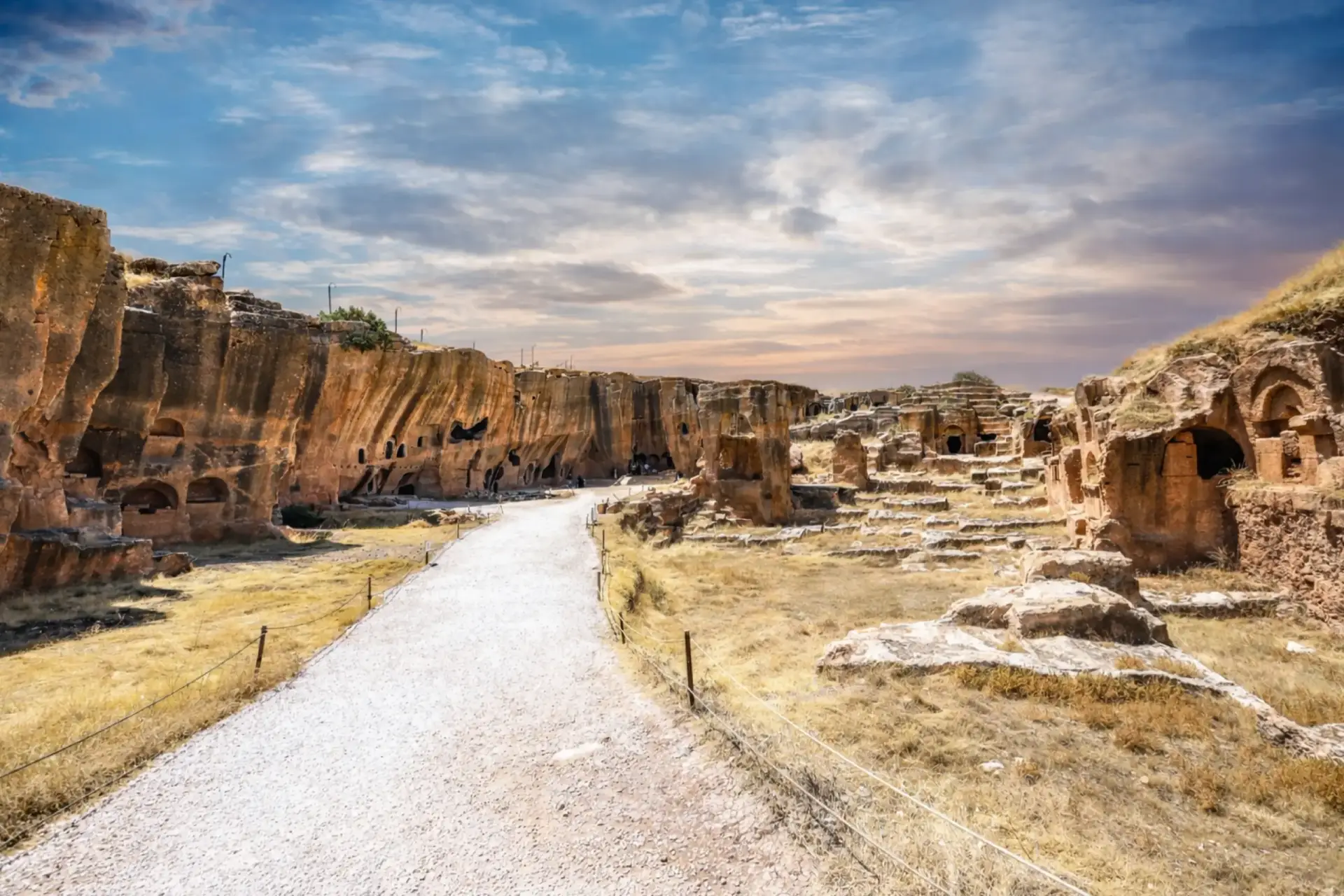
Dara Ancient City was established in Upper Mesopotamia during the early sixth century under Emperor Anastasius as a planned garrison settlement designed to protect the eastern frontier of the Roman Empire. Positioned along the Roman–Sasanian border, the city is characterized by walls, towers, and civic structures together with an extensive infrastructural network of cisterns, water channels, storage areas, passages, and rock-cut underground spaces. This integrated system enabled the long-term continuity of military, administrative, and civilian life within the settlement. Considered together with its necropolis areas and gallery tombs, Dara emerges as a strategic frontier city where defense, water management, and spatial organization were conceived as interconnected elements within the same enduring urban and architectural framework across centuries of continuous occupation.
Artists presented at Dara Ancient City:
Alper Aydın, KITE, Selçuk Artut, Šejla Kamerić, Xul Solar
Deyrulzafaran Monastery
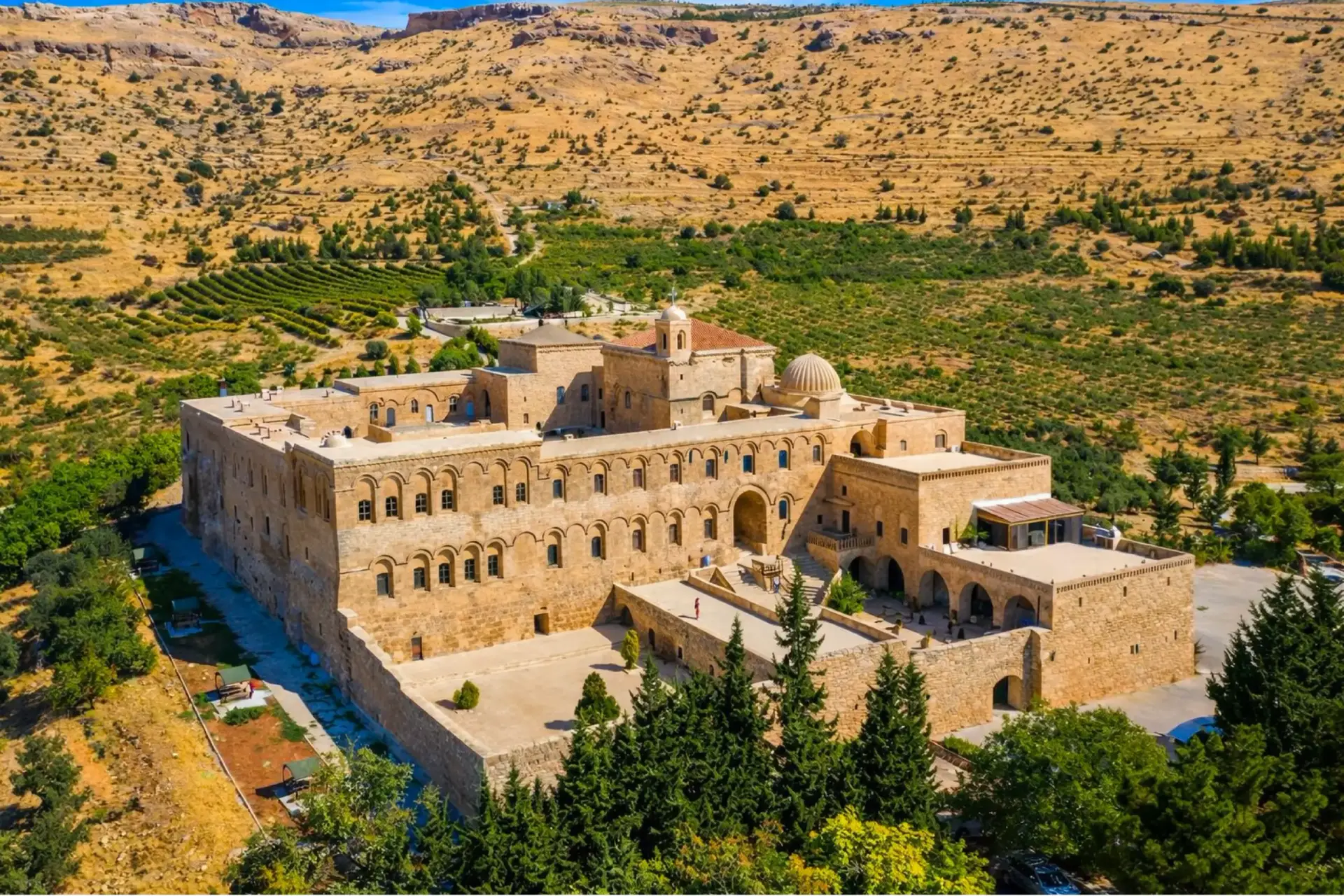
Deyrulzafaran Monastery, located southeast of Mardin, is a multilayered religious complex distinguished by its uninterrupted sacred use from antiquity to the present day. Architectural traces from pre-Christian, late antique, and medieval periods are organized around the subterranean chamber beneath the main structure, commonly identified as an underground sun temple. Later Christian construction phases were built directly above these earlier layers, establishing a continuous spatial relationship between underground, surface, and upper levels. From the fifth century onward, the monastery became an important center for the Syriac Orthodox tradition, bringing together religious, educational, and administrative functions within the same complex. Churches, courtyards, chapels, monks’ cells, and cisterns together create a continuous sacred landscape shaped through architecture, light, material continuity, and ritual circulation.
Artists presented at Deyrulzafaran Monastery:
Isaac Chong Wai, Maro Michalakakos, Pelin Kırca, Canan Dağdelen, Vahap Avşar
Caravanserai
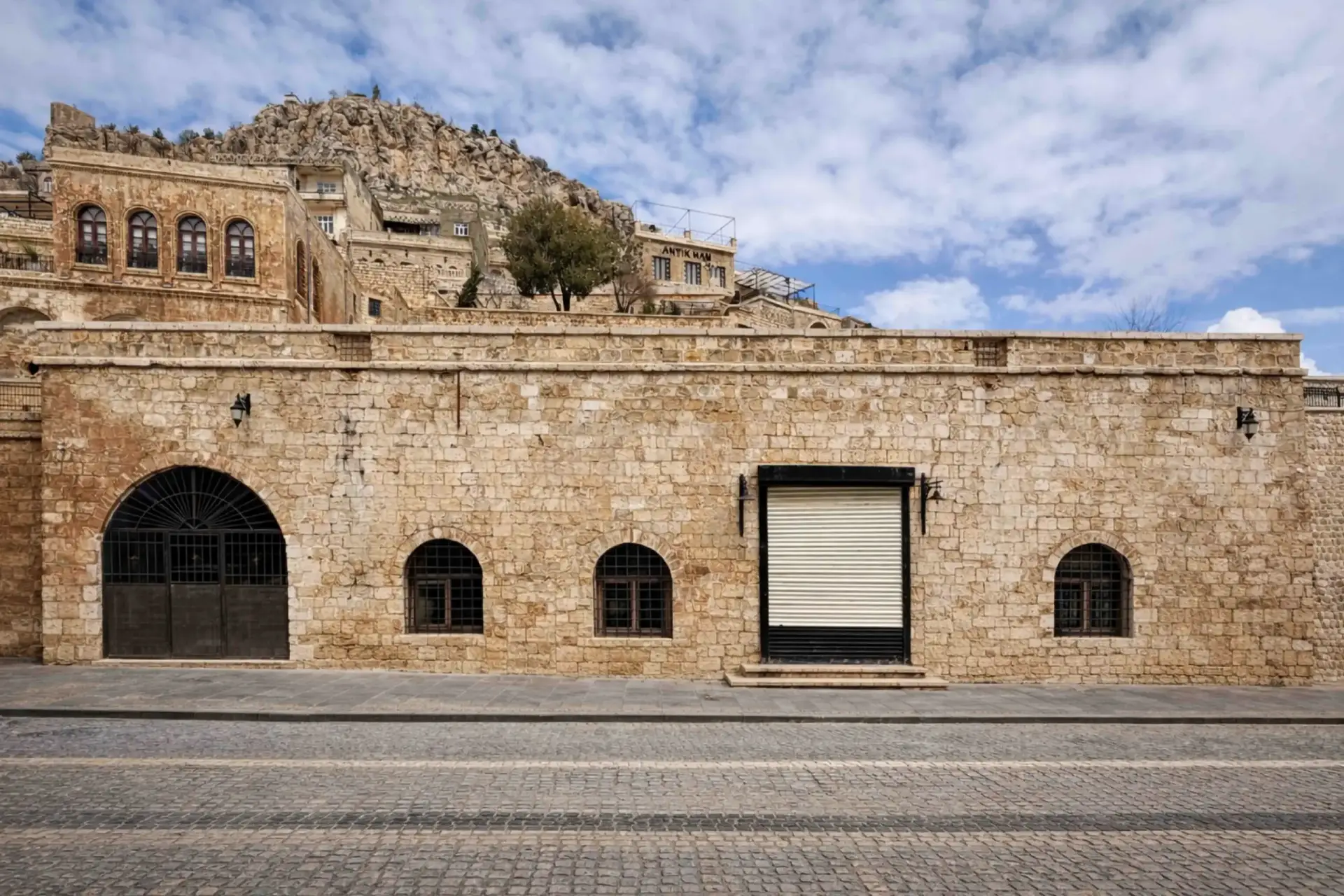
Kervansaray is one of Mardin’s emblematic historic buildings and previously functioned as both the municipal building and government headquarters. Its administrative and civic past remains visible through the structure’s architectural organization and spatial arrangement. Elements associated with authority, representation, and public presence continue to be expressed through the building’s scale, openings, and position within the city. Located directly opposite the Sakıp Sabancı Mardin City Museum, Kervansaray occupies a prominent threshold within Mardin’s historic urban fabric. Today, the structure is understood less through its former institutional roles than through its openness and spatial clarity, creating a quiet zone of encounter between accumulated history and contemporary experience. Memory, public visibility, and architectural continuity together shape the perception and experience of the site today.
Artists presented at Caravanserai:
Basim Magdy, Esmeralda Kosmatopoulos, Ekin Kano, Rozelin Akgün
Carpemters Coffeehouse
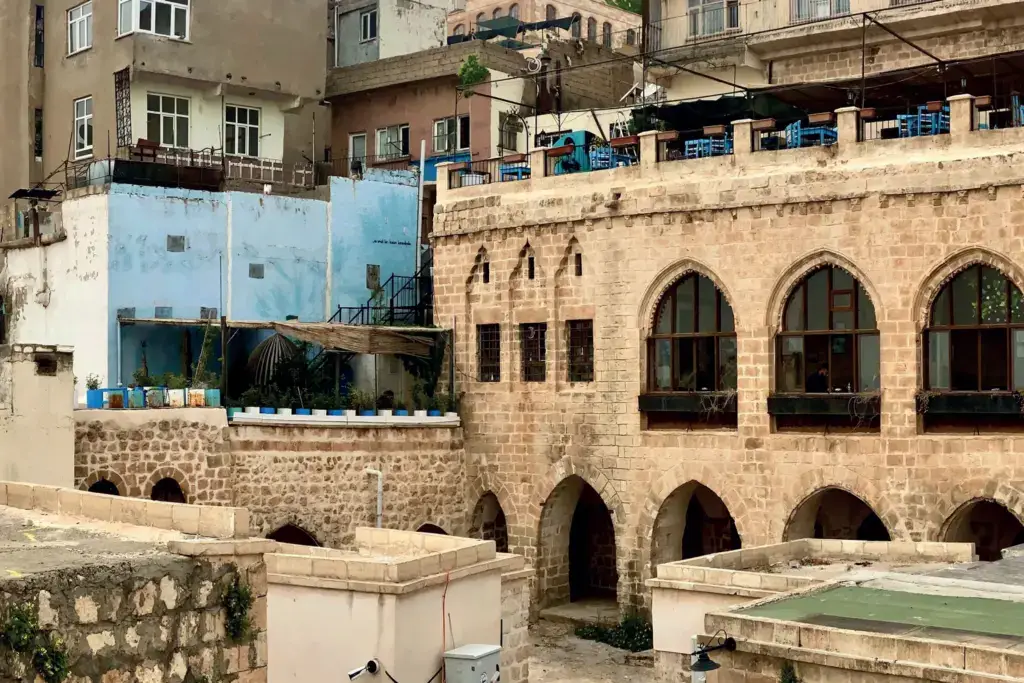
Situated on the upper level of Revaklı Bazaar, also known as the Sipahiler or Tellallar Bazaar, this historic mansion is currently used as Marangozlar Kahvesi. Developed within the artisanal and commercial network of the bazaar, the building functions not only as a gathering place for local carpenters, but also as a meeting point for students, academics, and artists. Its elevated position allows it to remain connected to the movement of the bazaar while simultaneously separating itself from it, creating a transitional atmosphere where different rhythms and forms of interaction intersect. Today, the space preserves traces of its historical past while remaining open to new encounters and cultural production. It continues to function as a shared environment where everyday social life and contemporary artistic exchange coexist together.
Artists presented at Carpenters Coffeehouse:
Alper Aydın, Hamra Abbas, Mehmet Ali Boran, Mehtap Baydu
You can access our detailed content about the 6th Mardin Biennial, held in 2024 under the theme “Further Away”, right here.
Cover Image: Güliz Özbek Collini