


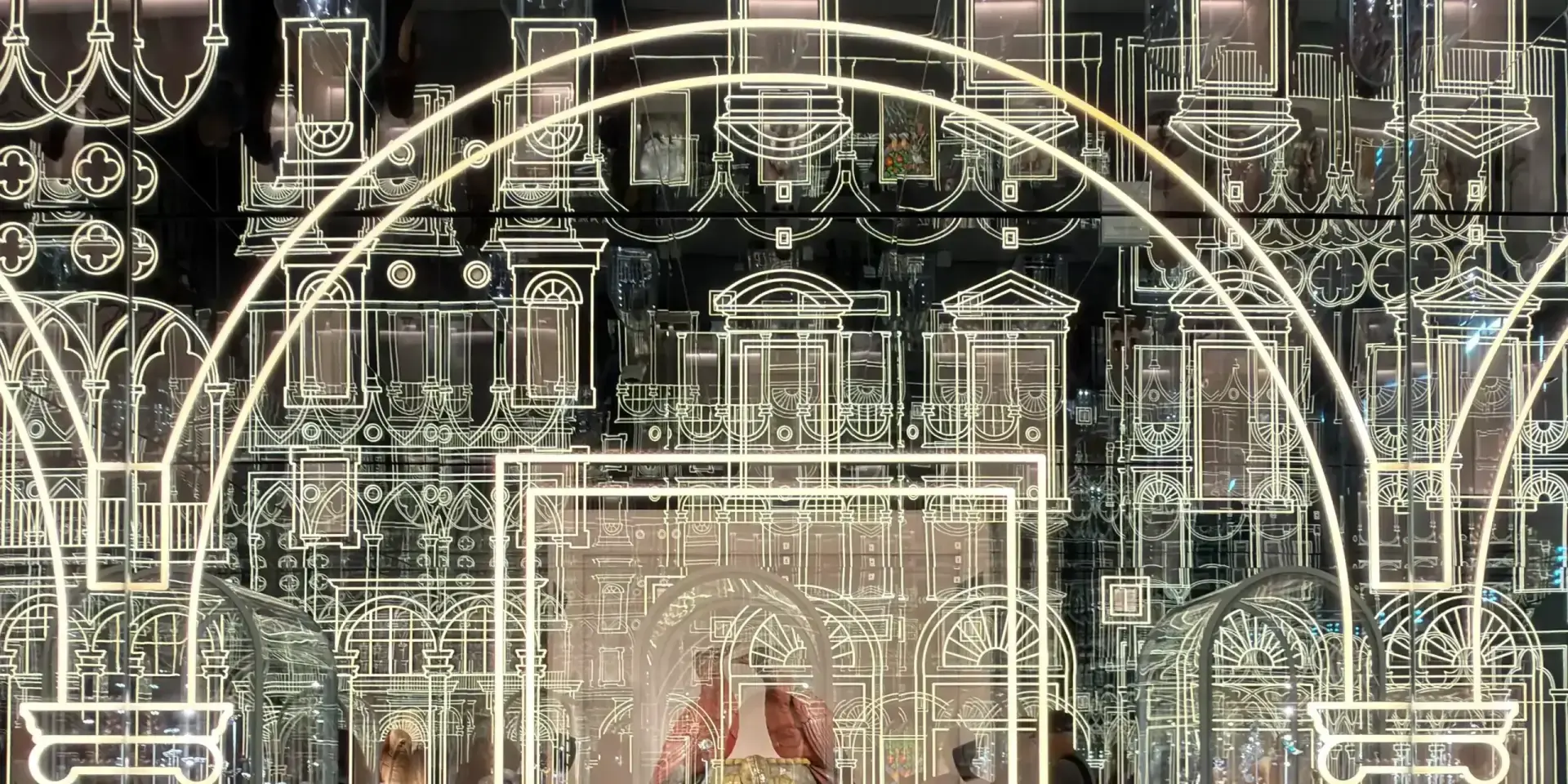
The Fondazione Giorgio Cini on Venice’s San Giorgio Maggiore Island is hosting Homo Faber 2026: An Island of Light, the international gathering of contemporary craftsmanship. The fourth edition of the Homo Faber Biennial brings together craftspeople from different parts of the world, inviting visitors into the world of craft through 15 immersive installations designed by artistic director Es Devlin.
Bringing together more than 700 works by over 500 craftspeople from more than 70 countries, Homo Faber 2026, under the artistic direction of Es Devlin, focuses on the relationship between light, materials and the human hand.
Curated by the Michelangelo Foundation for Creativity and Craftsmanship and presented in collaboration with Fondazione Giorgio Cini and Fondazione Cologni dei Mestieri d’Arte, Homo Faber 2026 focuses not only on the objects created by craftspeople, but also on their workshops, the tools and materials they use, and their processes of making. This year, 85% of the craftspeople featured are participating in the Homo Faber Biennial for the first time. In doing so, the exhibition offers a new perspective on the relationship between light, material, skill and creativity.
Craftsmanship in Es Devlin’s Light
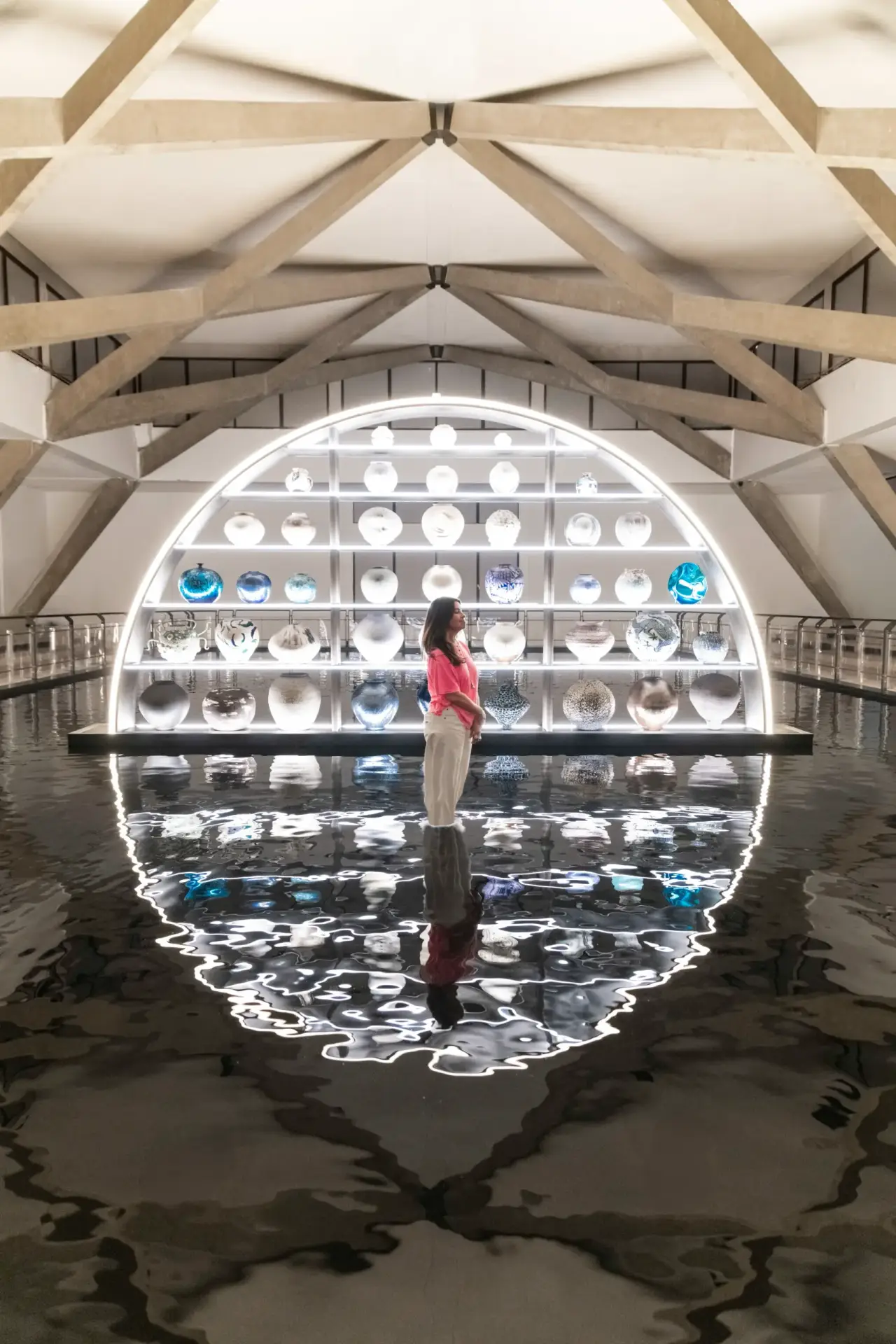
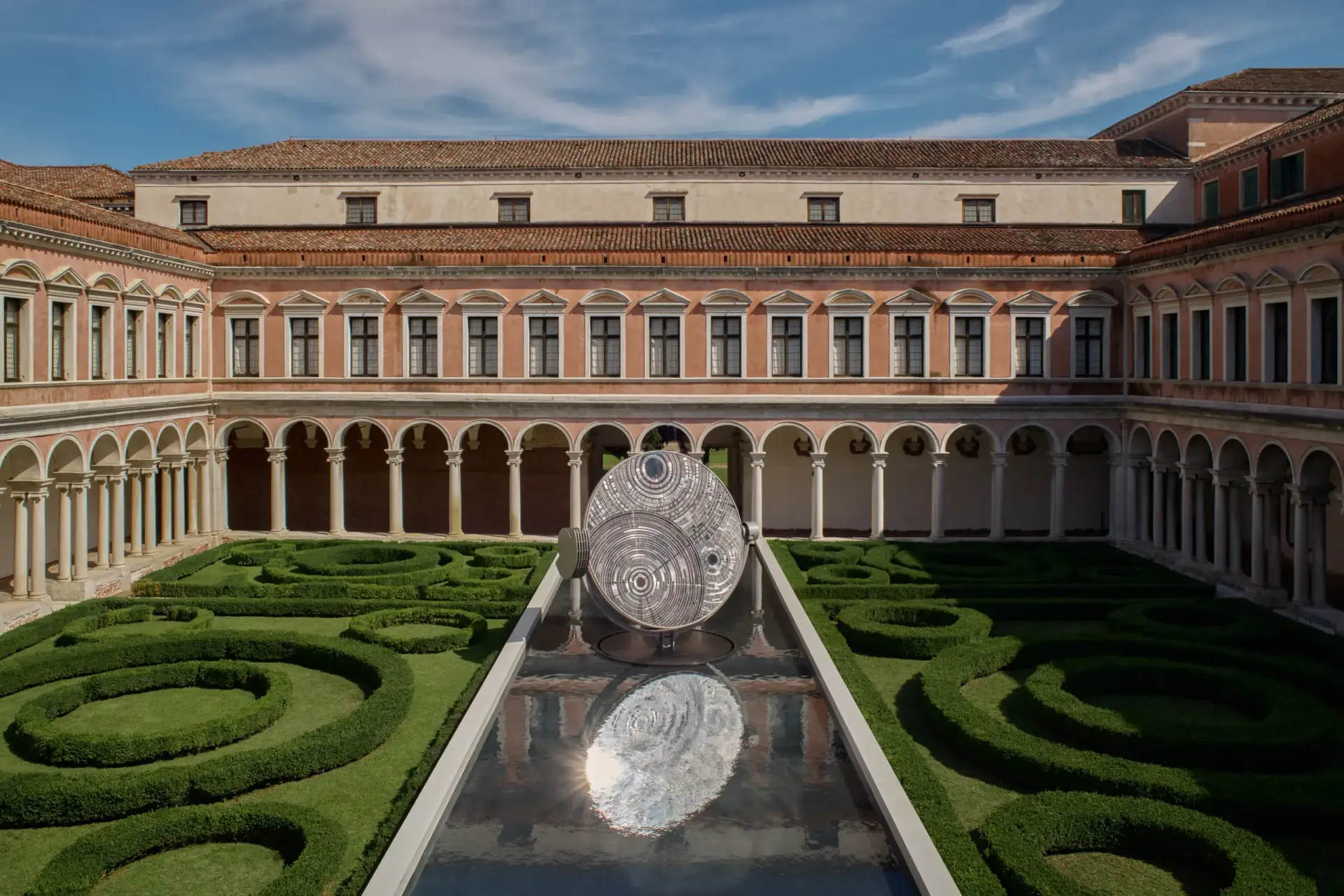
The artistic director of Homo Faber 2026, Es Devlin, is a British artist and designer known for creating large-scale works through light, space, movement and technology. Having worked with master craftspeople throughout her career of more than three decades, Devlin has created a narrative for Homo Faber that brings light together with craft. Through water, mirrors, movement and light, she takes visitors on a journey that extends from the craftspeople themselves to their workshops, tools, materials and the objects they create. Inspired by the archipelago of the Venetian Lagoon, the design approaches each craftsperson from around the world as an “island”, defined by their own talent and skills.
Es Devlin’s aim for Homo Faber is to change the way visitors look at objects: when we hold an object in our hands, to think not only of the object itself, but also of the hands, labour and stages of production that brought it into being. This approach also makes visible the continued need for the trace of the human hand, originality, skill and intention at a time when technology can rapidly generate forms and images.
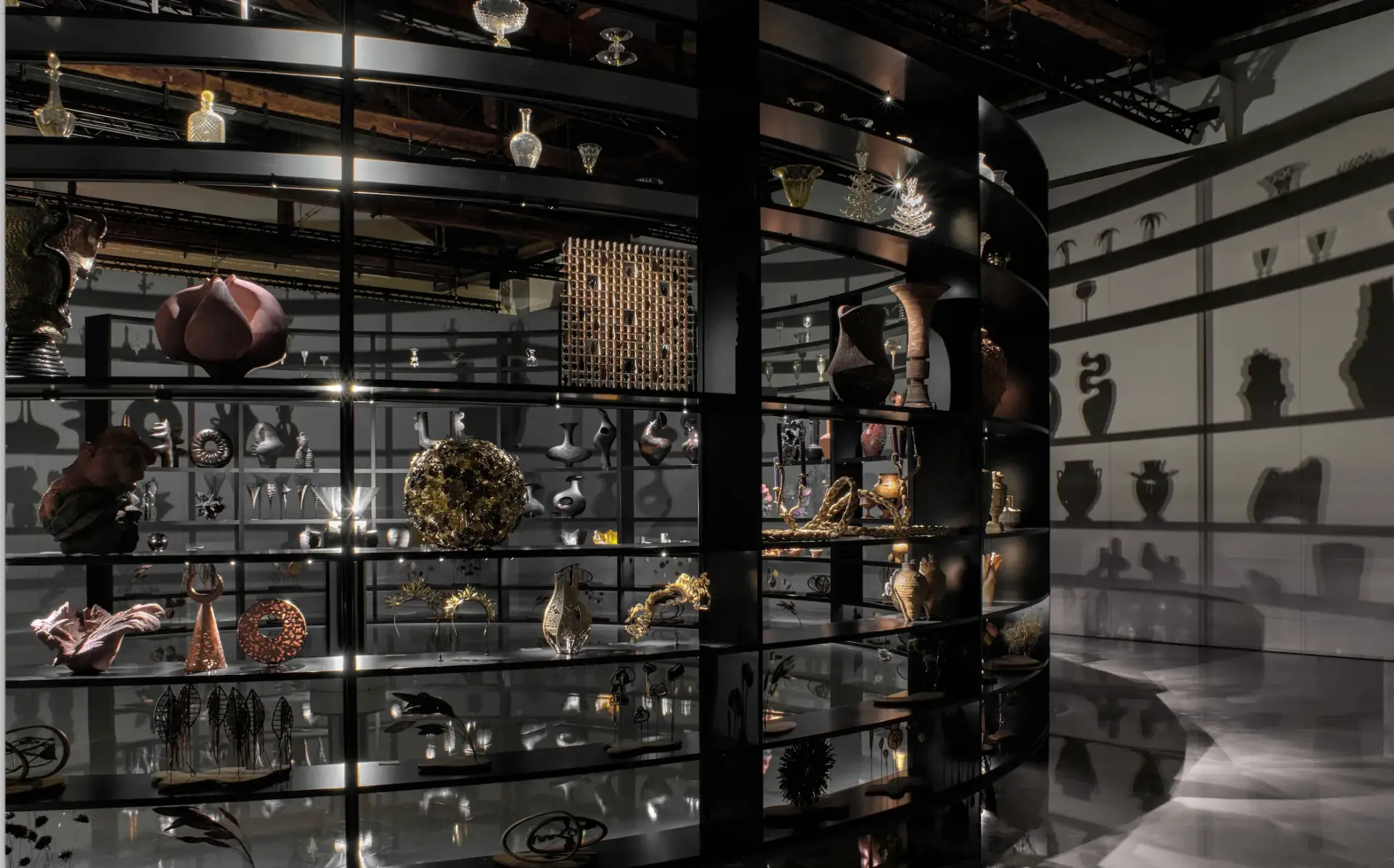
This idea is directly reflected in the exhibition experience. An Atelier Alive brings a real craft studio into the exhibition space, allowing visitors to watch master craftspeople working live with porcelain, leather, paper, textiles and different materials.
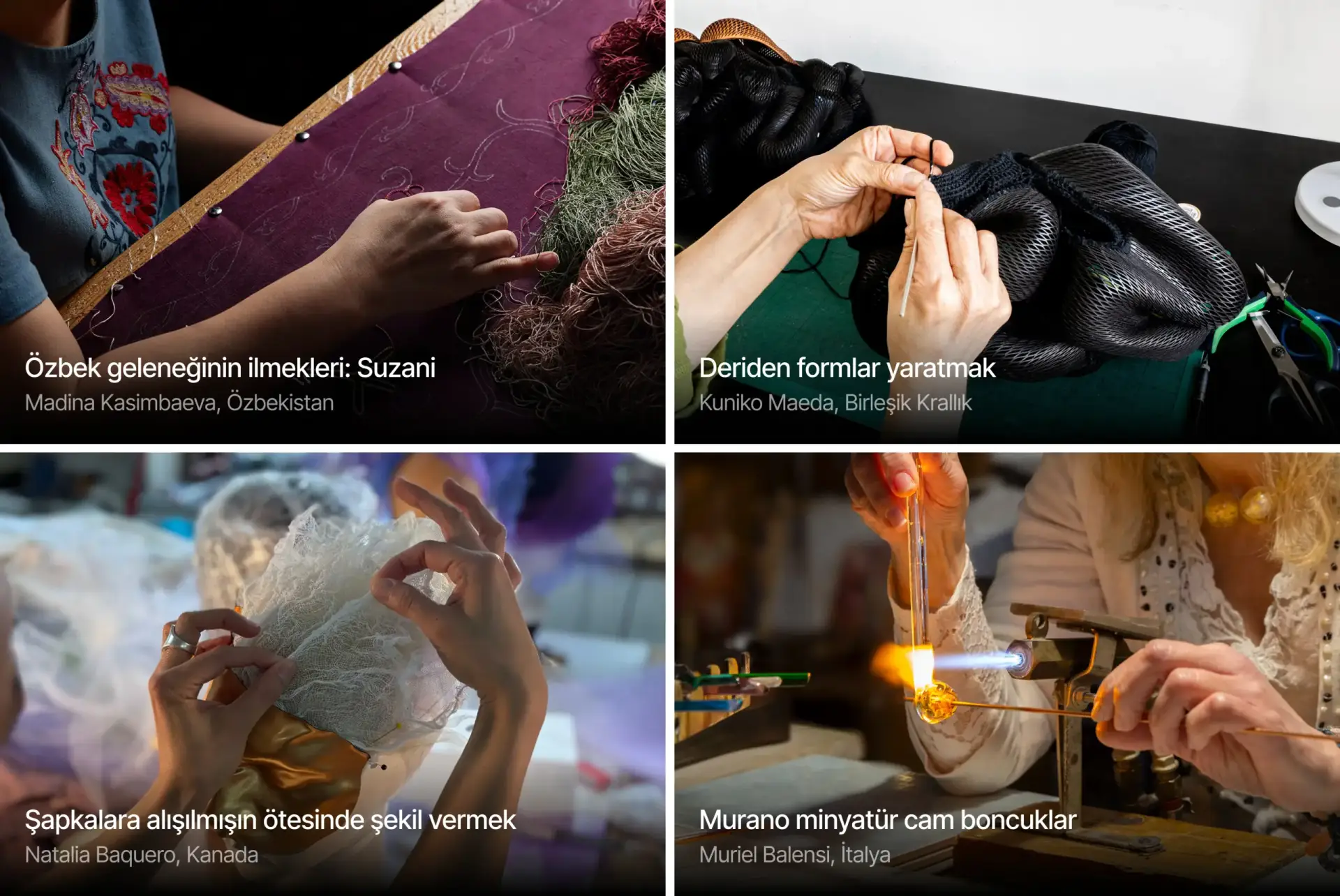
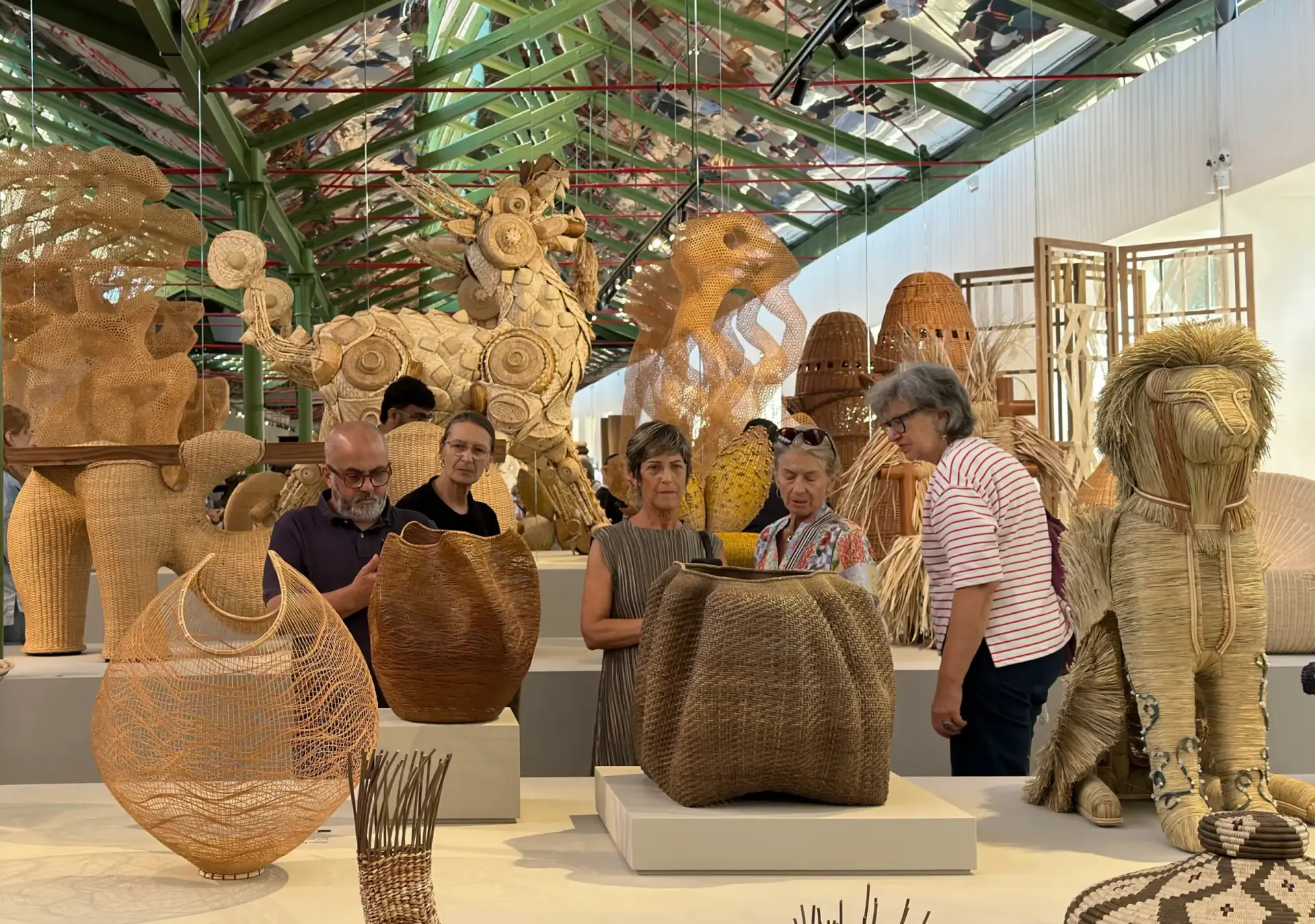
A Rooted Ascent brings woodworkers and weavers together, showing how organic materials can inspire craftsmanship.
Visitors can also discover the traditional Japanese crafts of kintsugi and hanko through two participatory workshops presented by Mazda. Open to visitors aged 10 and over, the workshops cost €10 to attend and require advance booking. At the free origami laboratory, white paper flowers are created with the guidance of Italian origami artist Giuseppe Romeo. The flowers made by visitors become part of a collective installation that grows throughout September.
Throughout the exhibition, visitors are accompanied by Young Ambassadors, an international group of students studying craft, design and business. They share information about the works, techniques and craftspeople in the exhibition spaces, while the Homo Faber shop offers a selection of products and objects.
A Meeting with Venetian Cuisine
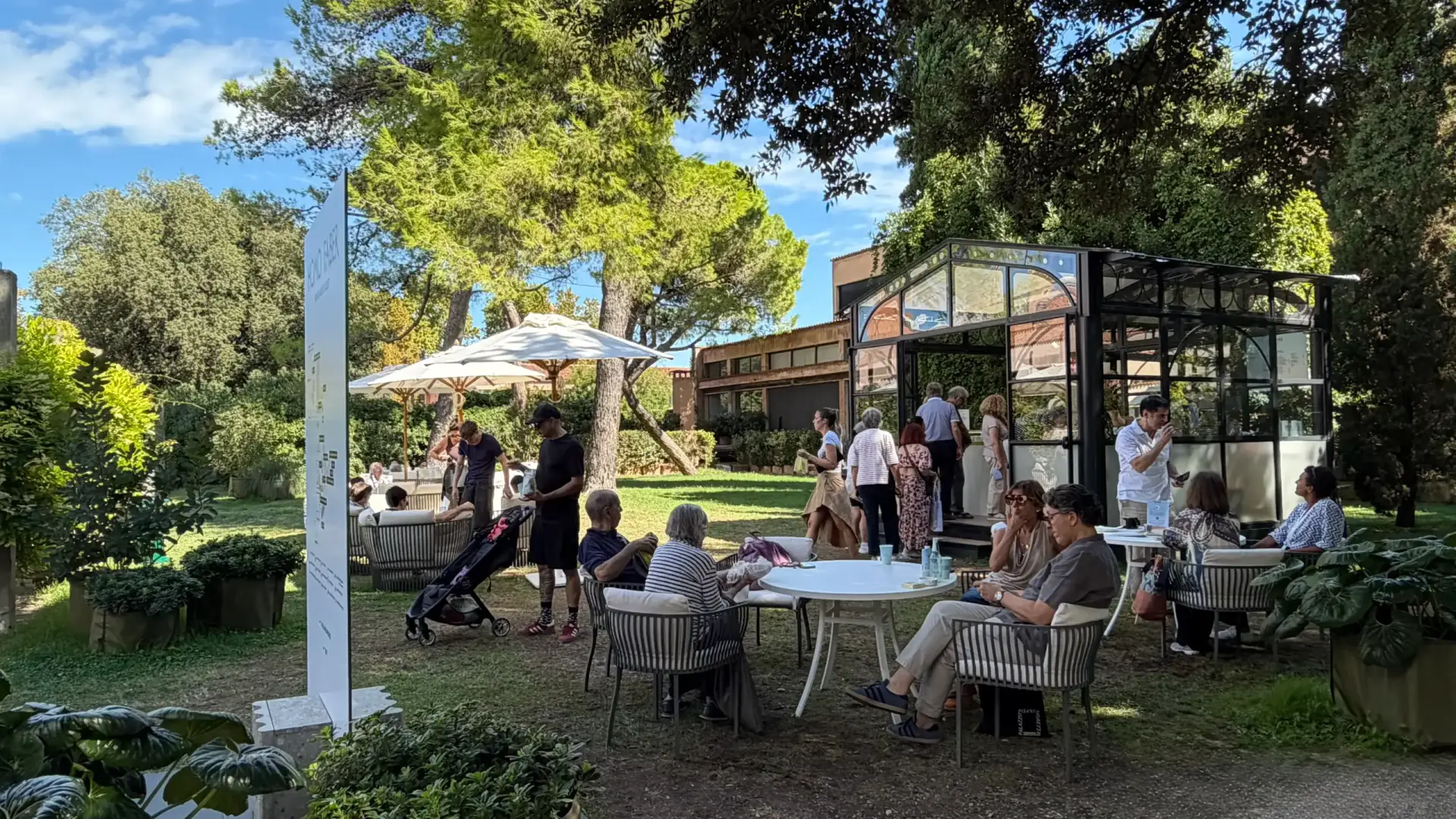
The gastronomic side of the Homo Faber experience offers a range of options in the gardens of Fondazione Giorgio Cini. A Glasshouse Restaurant presents contemporary Venetian cuisine through three different tasting menus prepared by Local Venezia. A more relaxed option, A Trattoria on an Island, focuses on the rich culinary heritage of the Venetian Lagoon. A Garden Café and A Pool Bar are available throughout the day for drinks and light snacks.
Homo Faber Awards 2026
Every craftsperson featured in Homo Faber 2026 has the chance to win one of three different awards. The awards are selected respectively by visitors, invited journalists and Young Ambassadors.
Visitors can download the Homo Faber app, create an account and scan the QR codes next to the exhibited works to vote for their favourites. Voting continues until the end of September, even after the visit. The three winning works will be announced on 30 September, and each winning craftsperson will receive a €10,000 prize to support the development and continuation of their career.
Homo Faber in Città: Craftsmanship Across Venice
The Homo Faber experience is not limited to San Giorgio Maggiore Island. As part of the Homo Faber in Città programme, exhibitions, workshops and craft events are taking place at different locations across Venice.
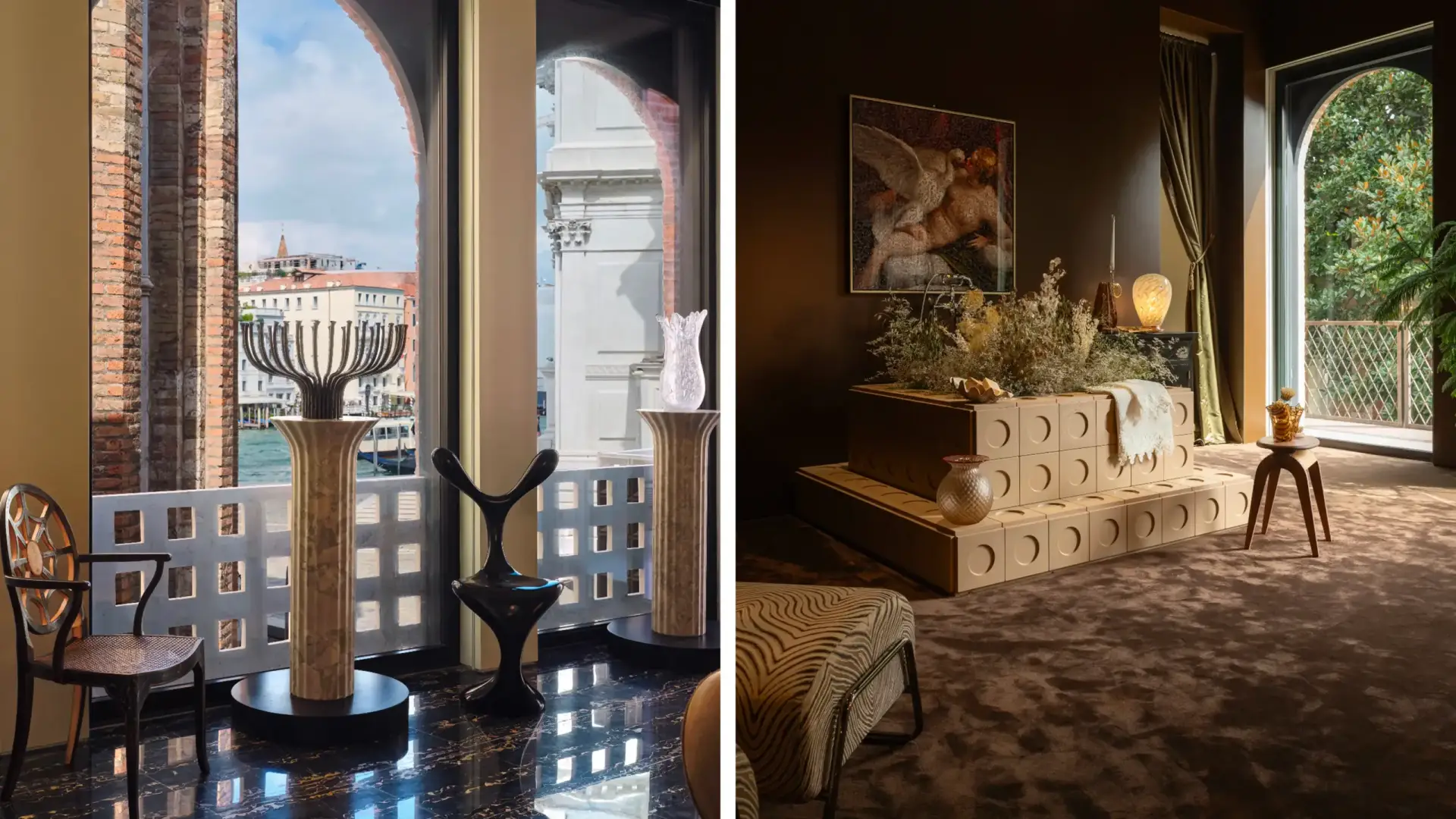
Casa Sanlorenzo is hosting two exhibitions as part of Homo Faber in Città: Ca’ Riflesso by Artemest, focusing on master craftspeople from Venice and the Veneto region, and Fiat Lux, presented by De Mains De Maîtres Luxembourg and bringing together craftspeople from Luxembourg. Next to Casa Sanlorenzo’s glass staircase, there is also an installation titled The Integrity of Materials, created in collaboration with Artemest.
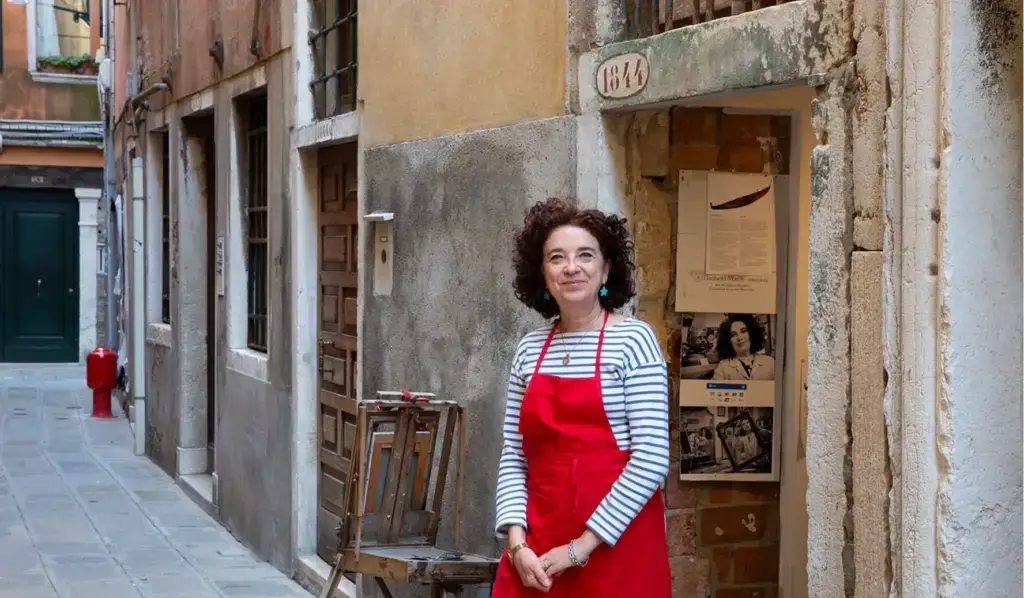
Across Venice, 130 craft workshops featured in the Homo Faber Guide are also opening their doors to visitors throughout September. Suggested routes help visitors discover the workshops and the city’s craft heritage. In addition, exhibitions and events are being held at different locations across Venice as part of the On the Occasion of Homo Faber 2026 programme.
If you are considering going, don’t forget to visit homofaber.com for details of the suggested routes, workshops and daily programmes.
Homo Faber 2026: An Island of Light
📍 Fondazione Giorgio Cini, San Giorgio Maggiore Island, Venice
📅 1–30 September 2026
🕙 10.00–19.00 | Last admission 17.00
San Giorgio Maggiore can be reached by vaporetto 2. For visitors who purchase tickets online, a free shuttle service is also available between San Marco-San Zaccaria and the island.
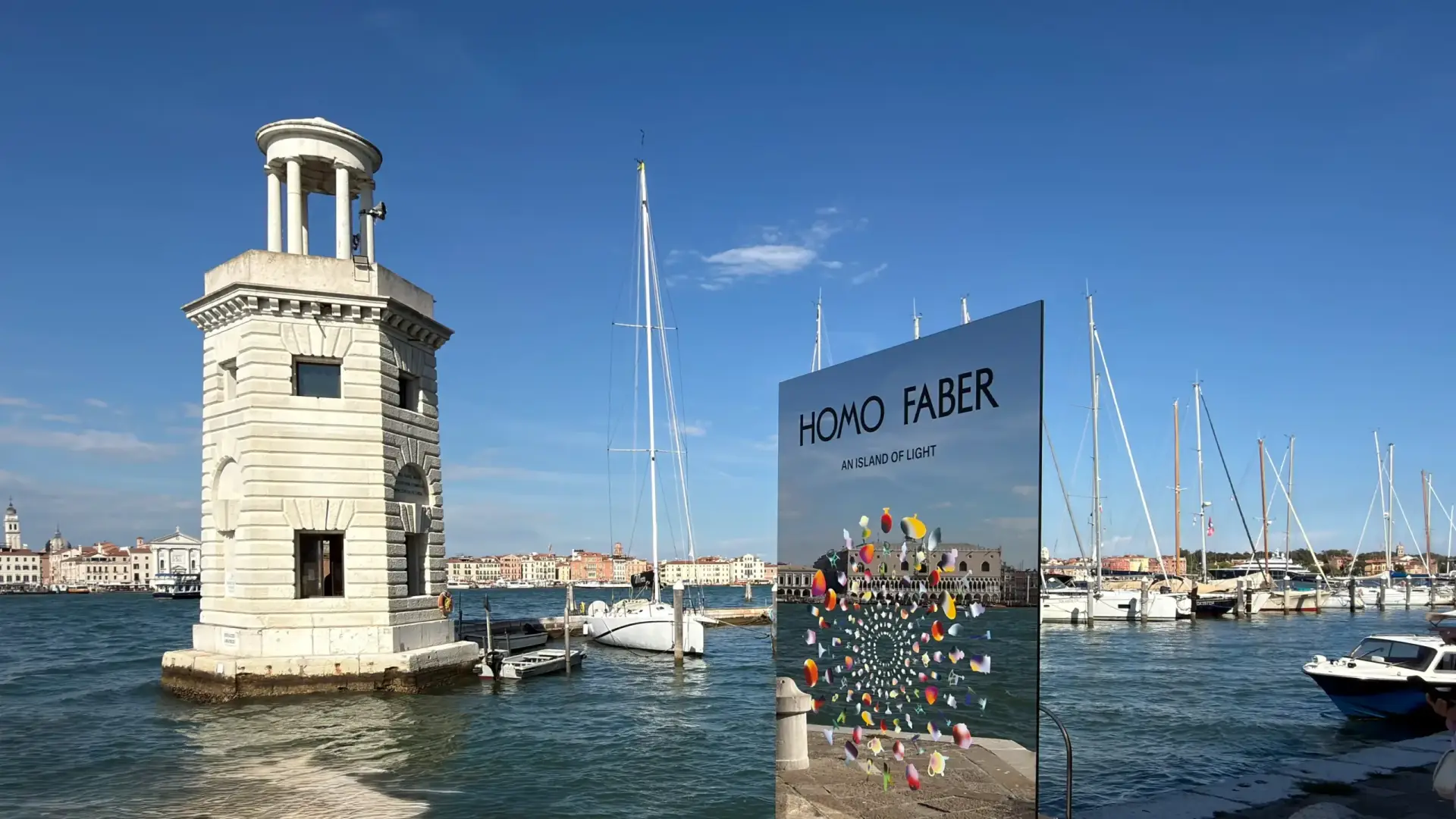
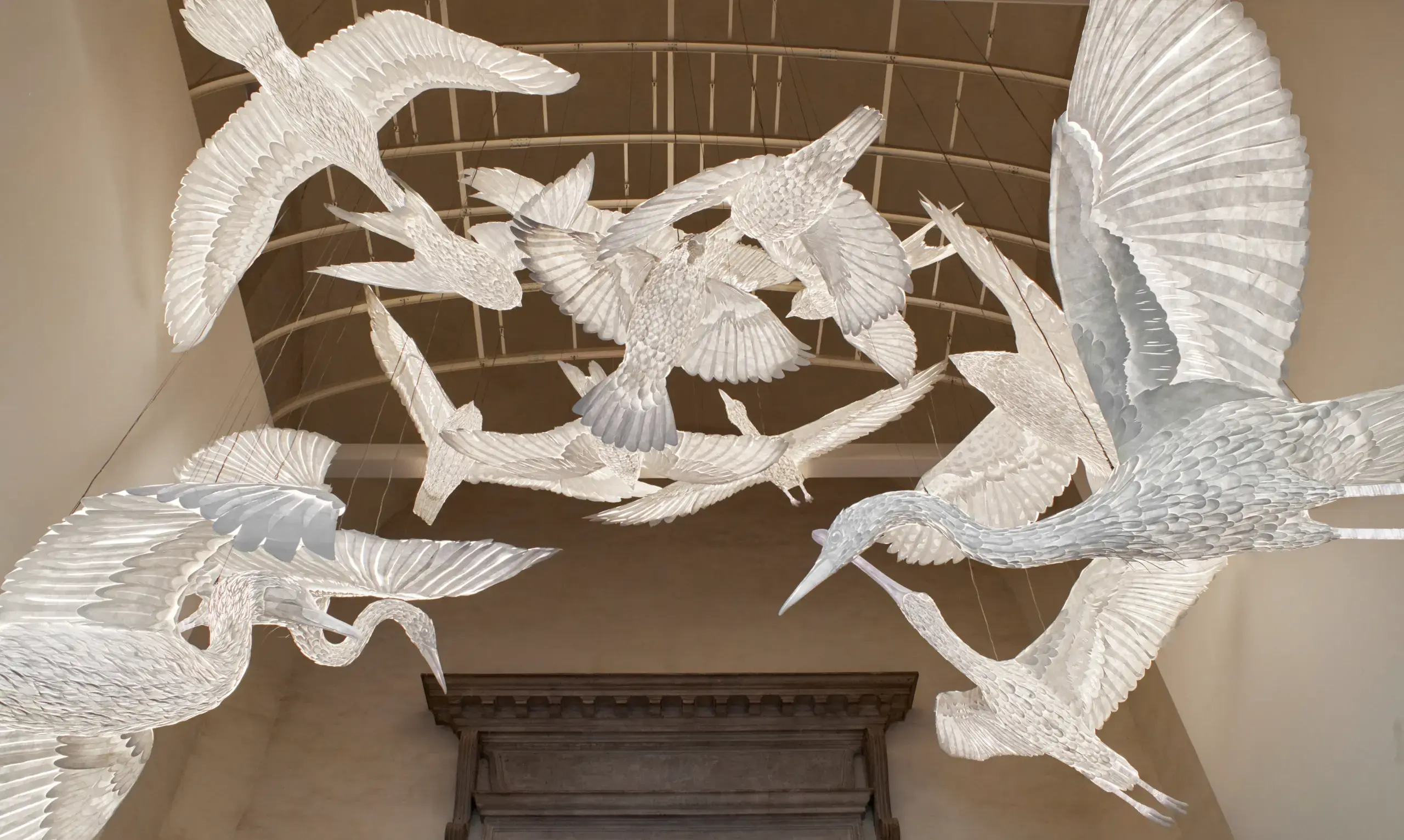
Cover Image: Detail from An Infinite Birdsong installation. Photo: Güliz Özbek Collini