


You’ve probably heard what they say about Ankara: “The best thing about Ankara is the road back to Istanbul!” For many Europeans, Brussels evokes a similar feeling. Caught between the French and Flemish communities, the Brussels-based Belgian government constantly grapples with an identity crisis. Bureaucracy moves painfully slow by European standards, and things often don’t function smoothly.
Yet Brussels—home to both the European Union and NATO, and a city of expats and EU officials—has its perks. One of them is that European workers can hop on a high-speed train and reach their home countries within a few hours. In fact, Europeans often joke that the best thing about Brussels is also the way out.
Let’s be honest—when we think of Brussels, art isn’t the first thing that comes to mind. It probably comes after chocolate, waffles, mussels, the European Union, and maybe even Belgian beer.
And yet, in recent years, Brussels has started to shine as a rising star in the art world, increasingly praised by art critics and writers. Art Brussels, the world’s third oldest contemporary art fair after the Venice Biennale and Documenta, will celebrate its 50th edition this year.
Respected international publications like The New York Times and Forbes also agree: Brussels has become a modern art hotspot in recent years.
According to many art critics, Brussels offers better opportunities for young artists compared to cities like Paris or Berlin. As the saying goes: Berlin is great for producing art but not for selling it, while Paris is great for selling art but not for producing it. Critics now suggest that Brussels offers the best of both worlds.
The city’s strategic location—easily accessible by high-speed trains and close to major European capitals—makes it a convenient hub for collectors. For those in the Eurozone, affordable rents and the abundance of art galleries give emerging local artists ample space to grow. In fact, around 50 new galleries have opened in the past decade alone.
In addition to its growing art scene and market, Brussels also benefits from the support of both visiting European collectors and local Belgian collectors, who play a significant role in shaping the city’s art landscape. Belgium is one of the countries with the highest number of art collectors relative to its population.
What makes Belgian collectors unique is their keen eye for emerging talent. They are known for acquiring works from promising artists long before they become widely recognized. Many of them have built impressive collections featuring young and successful European artists.
To experience the rewards of this unique atmosphere, my first recommendations will focus on the contemporary art spaces that are redefining and elevating Brussels’ art scene in tune with the new era.
After that, I’ll also highlight some must-see classical spots—places that may be in a small country, but hold a big place in art history with iconic works worth discovering.
Wiels & MIMA
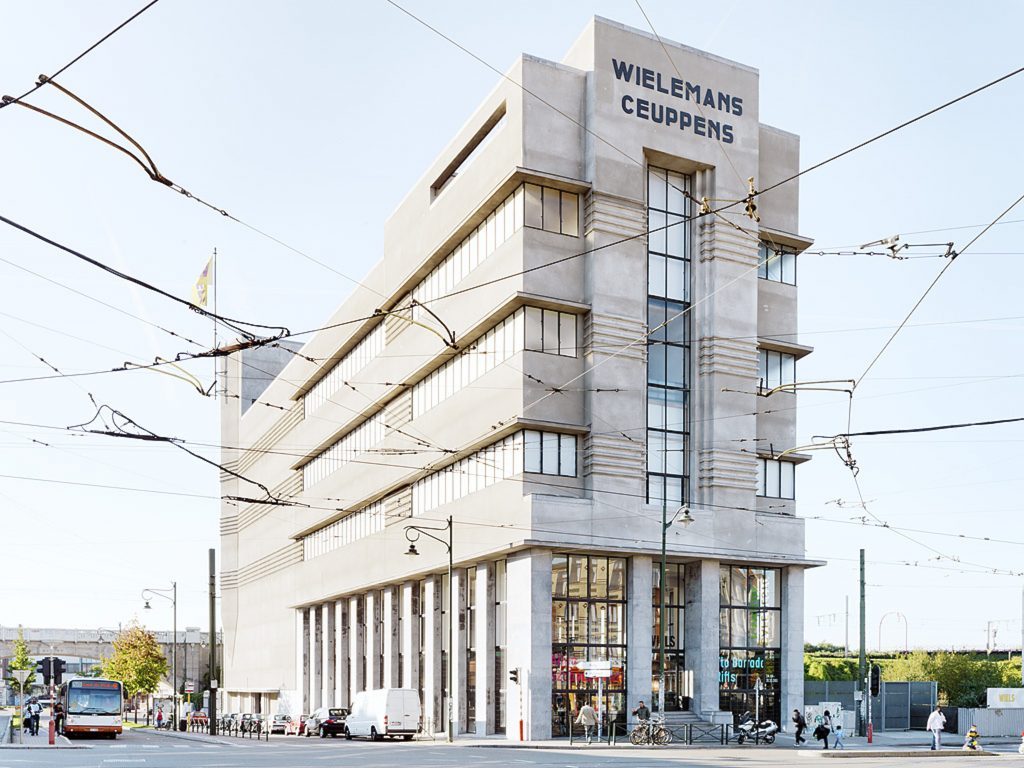
Housed in a former brewery, Wiels has emerged as a cornerstone of Brussels’ contemporary art scene, especially for its acclaimed artist-in-residence program that supports both Belgian and international emerging artists. Its opening in 2007 is widely considered a milestone in the evolution of the city’s art market.
Each year, Wiels receives hundreds of applications for just nine residency spots, reflecting its growing reputation. Located on Van Volxem Avenue in the southern part of Brussels, it offers visitors a chance to engage with some of the most exciting and thought-provoking contemporary works by rising talents shaping the future of art.
MIMA – Millennium Iconoclast Museum of Art
MIMA is an even younger addition to Brussels’ art scene than Wiels, having opened in 2016—and it’s just celebrated its second anniversary this month. Despite its youth, MIMA has quickly carved out a unique identity as a contemporary art space with a bold mission: “Culture History 2.0.”
What does that mean? Unlike traditional museums, MIMA embraces a wide spectrum of visual and subcultural expressions—from music culture and graphic design to skateboarding, surfing, street art, plastic arts, comics, and tattoo art. It’s a vibrant, genre-defying institution that reflects today’s hybrid artistic realities and challenges conventional boundaries of what art can be.
Magritte and Surrealism
Since we’re on the topic of cultural movements, let’s continue with one that has left a lasting mark on Brussels: Surrealism.
If Brussels were to teach you just one artistic lesson, it would be to understand the work and vision of surrealist painter René Magritte.
And if Surrealism feels elusive or hard to grasp, a visit to the Musée Magritte in Brussels will change that. The museum offers the perfect gateway into the surrealist mindset—and may just turn you into a devoted admirer of Magritte’s thought-provoking world.

Famous for his iconic painting “This is not a pipe”, René Magritte is known for placing ordinary objects in extraordinary contexts, challenging viewers’ perceptions of reality. His works play with logic and meaning—but in surprisingly simple ways.
Take the pipe, for example. Of course, it’s not a real pipe—it’s a painting of a pipe. When asked about this piece, Magritte famously responded: “Of course it’s not a pipe. Try filling it with tobacco if you like.”
By taking a philosophical approach to painting, Magritte invites us to question the nature of objects, their representations, and even memory itself—turning everyday images into surreal puzzles for the mind.
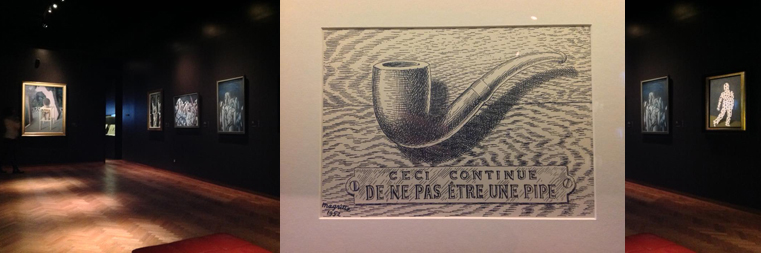
At this thoughtfully curated and comprehensive museum, you’ll have the chance to follow Magritte’s artistic journey—from his early works to his mature period. The museum offers insight not only into his evolving style but also into the artistic movements he was part of, the collaborators he worked with, and the creative circles he belonged to.
You’ll also get a more intimate look at the man behind the surrealism: his deep yet turbulent relationship with his muse and wife, his fondness for solitude and isolation, and his personal friendships—all brought to life through letters, stories, and photographs. It’s a rare opportunity to explore the inner world of a true visionary who stood apart from the rest with his singular way of thinking.
Royal Museum of Fine Arts
The Royal Museum of Fine Arts is an umbrella institution that includes six museums: the Old Masters Museum, Modern Museum, Wiertz Museum, Meunier Museum, Magritte Museum, and Fin-de-Siècle Museum.
Though it may not be as vast as the Louvre or the Metropolitan Museum of Art, its division into six thematic sections makes it easier to navigate in a more organized and less exhausting way—while still offering incredible depth and variety.
The museum’s collection holds over 20,000 works, including major masterpieces you’ll likely recognize instantly. Among them are The Death of Marat by Jacques-Louis David, The Road to Calvary by Peter Paul Rubens, and Pieter Bruegel the Elder’s unforgettable The Fall of the Rebel Angels, along with many of his other compelling works. You’ll also find pieces by Henri de Toulouse-Lautrec, such as his celebrated portraits of Aristide Bruant.
It’s a must-see destination for anyone interested in European art history—from classical to modern.

The Art Nouveau Movement
While you can admire over 230 pieces at the Fin-de-Siècle Museum, the best place to truly discover Art Nouveau is right on the streets of Brussels. Because if Brussels is the capital of the EU, it’s even more fittingly the capital of Art Nouveau.
So many buildings were constructed in this style around the 1900s that it’s nearly impossible to count. For the richest Art Nouveau experience, explore the neighborhoods of St. Gilles/Sint-Gillis, Ixelles/Elsene, Forest/Vorst, and Uccle/Ukkel, where you’ll find hundreds of stunning architectural examples lining the streets.
Born as a reaction to classical art, Art Nouveau sought to merge art with everyday life by creating beautiful, functional objects that responded to human needs. That’s why Art Nouveau draws inspiration from organic forms—plants, curves, and nature—resulting in highly aesthetic designs full of graceful lines and thoughtful details, whether in furniture or architecture.
Does the name Gaudí ring a bell? One of the most influential figures of the Art Nouveau movement, Victor Horta, laid its foundations in Brussels by designing the iconic Tassel House in 1893—now recognized as a UNESCO World Heritage site.
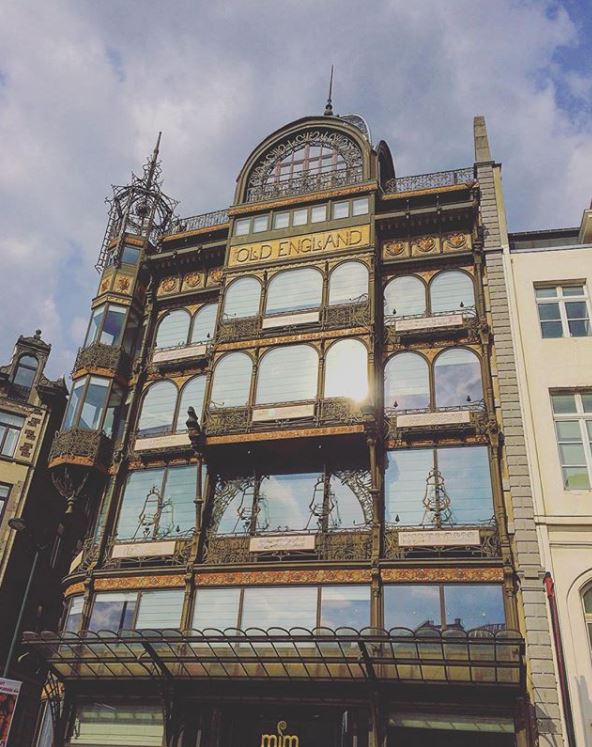
If you don’t have much time to fully explore this movement, make sure at least to see the Old England building—one of the finest examples of Art Nouveau in the city center and now home to the Music Museum.
You might also stumble upon one of the charming old cafés housed in Art Nouveau-style buildings, offering a perfect way to experience the elegance of the era in a more casual setting.
After a fulfilling day of museum visits, if you’re looking for a spot to unwind with a drink that suits your artistic taste, head to the cafés around Place Brugmann.
If you’d rather stay immersed in the art scene, spend time in Ixelles and Dansaert, where galleries are densely concentrated, or in Schaerbeek, home to many artist studios.
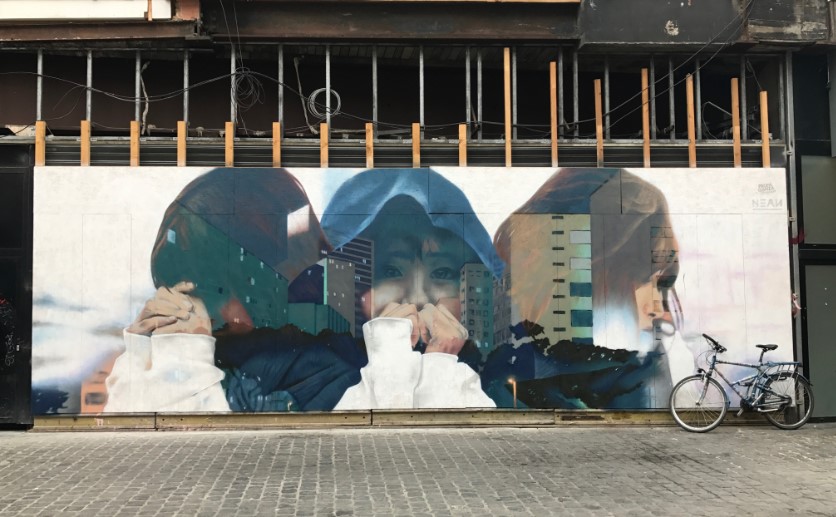
As you stroll through these neighborhoods, don’t forget to look up—Brussels is rich not only in classical art but also in street art, with vibrant works adorning walls throughout the city.
If you’re looking to enjoy a great evening out, the Bozar Centre for Fine Arts is the place to be. From dance to cinema, music to literature, it hosts a wide range of cultural events throughout the year. It’s highly recommended to check Bozar’s event calendar and book your tickets in advance before heading to Brussels.
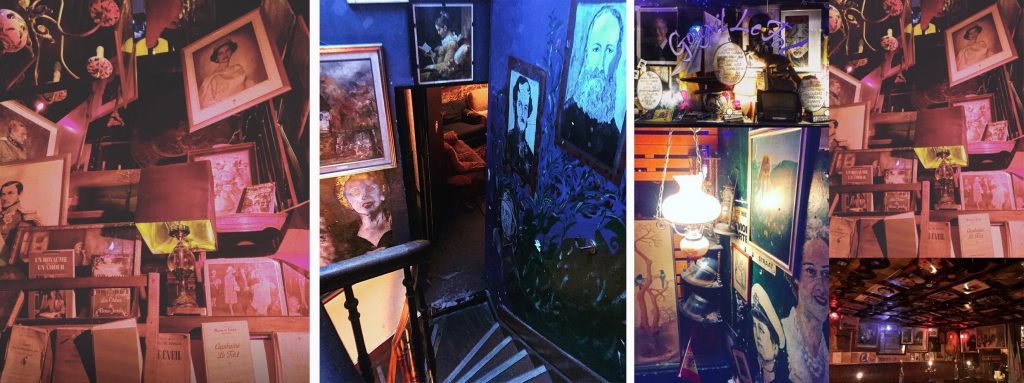
If you’re in the mood to end your art journey with something truly eccentric, make sure to stop by Goupil le Fol. Once a brothel, now turned bar, this eclectic spot still features the old rooms, filled with bizarre and fascinating decorations gathered from flea markets, antique shops, second-hand stores, and bookshops. With vintage furniture hanging from the ceiling and fruit wines that are just as unique as the decor, Goupil le Fol offers a wonderfully strange and memorable experience.
Other Art Routes