


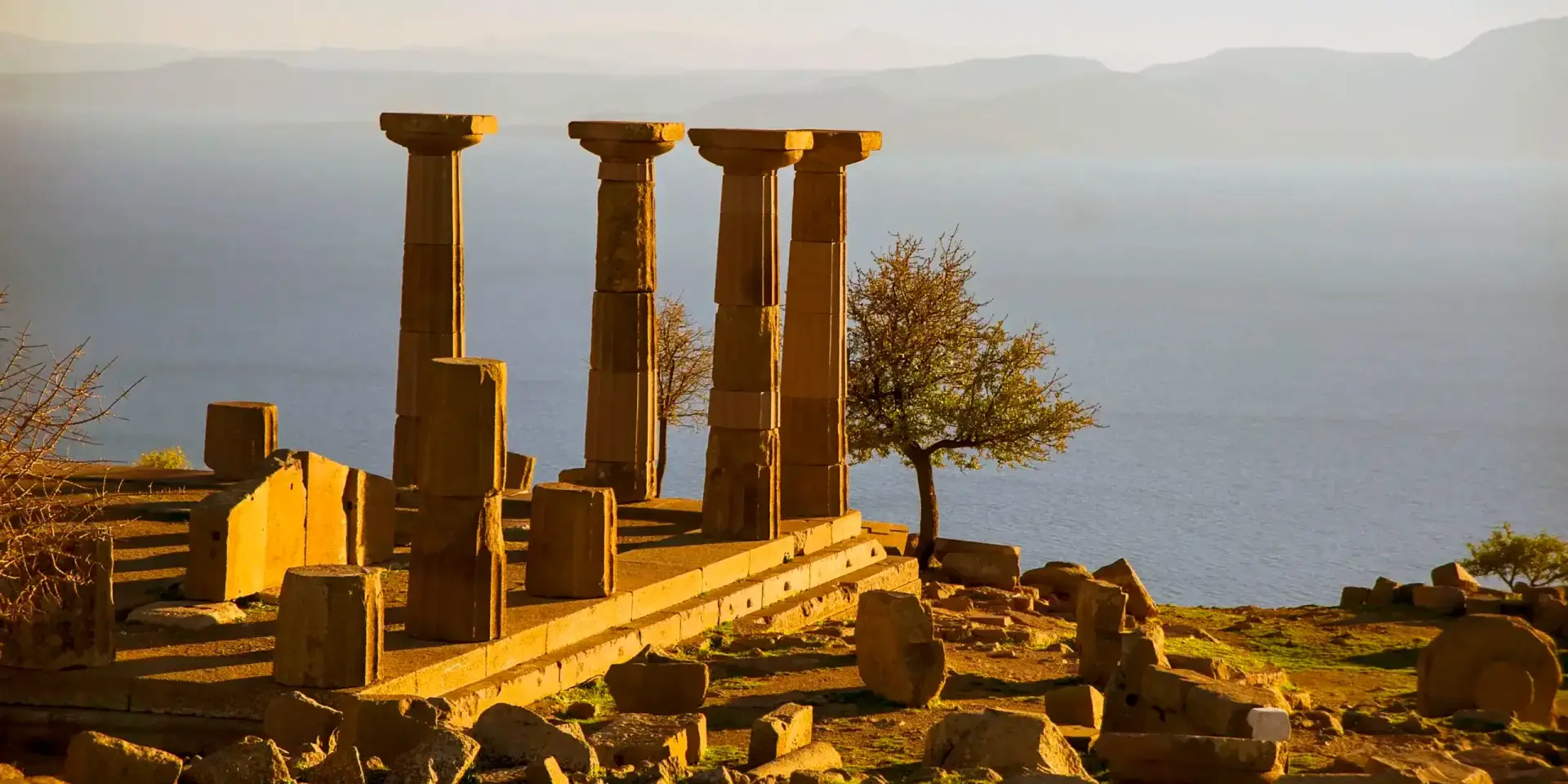
Between Land and Water: A Geography of Art
The Çanakkale Biennale will hold its 10th edition from 10 October to 20 November 2026, under the title “Metcezir // Ebb & Flow”. Bringing together more than 60 artists from Türkiye and around the world, the biennale invites audiences to encounter contemporary art across an expansive geography stretching from Çanakkale to Troy, exploring the concepts of water, earth, memory and transformation.
The Çanakkale Biennale reaches a significant milestone with its 10th edition, marking a new chapter in a journey that began in 2008. With this edition, the Çanakkale Biennale Initiative (CABININ) carries its 20 years of accumulated cultural and artistic experience into the future through new artistic productions, international collaborations and contributions from a range of disciplines.
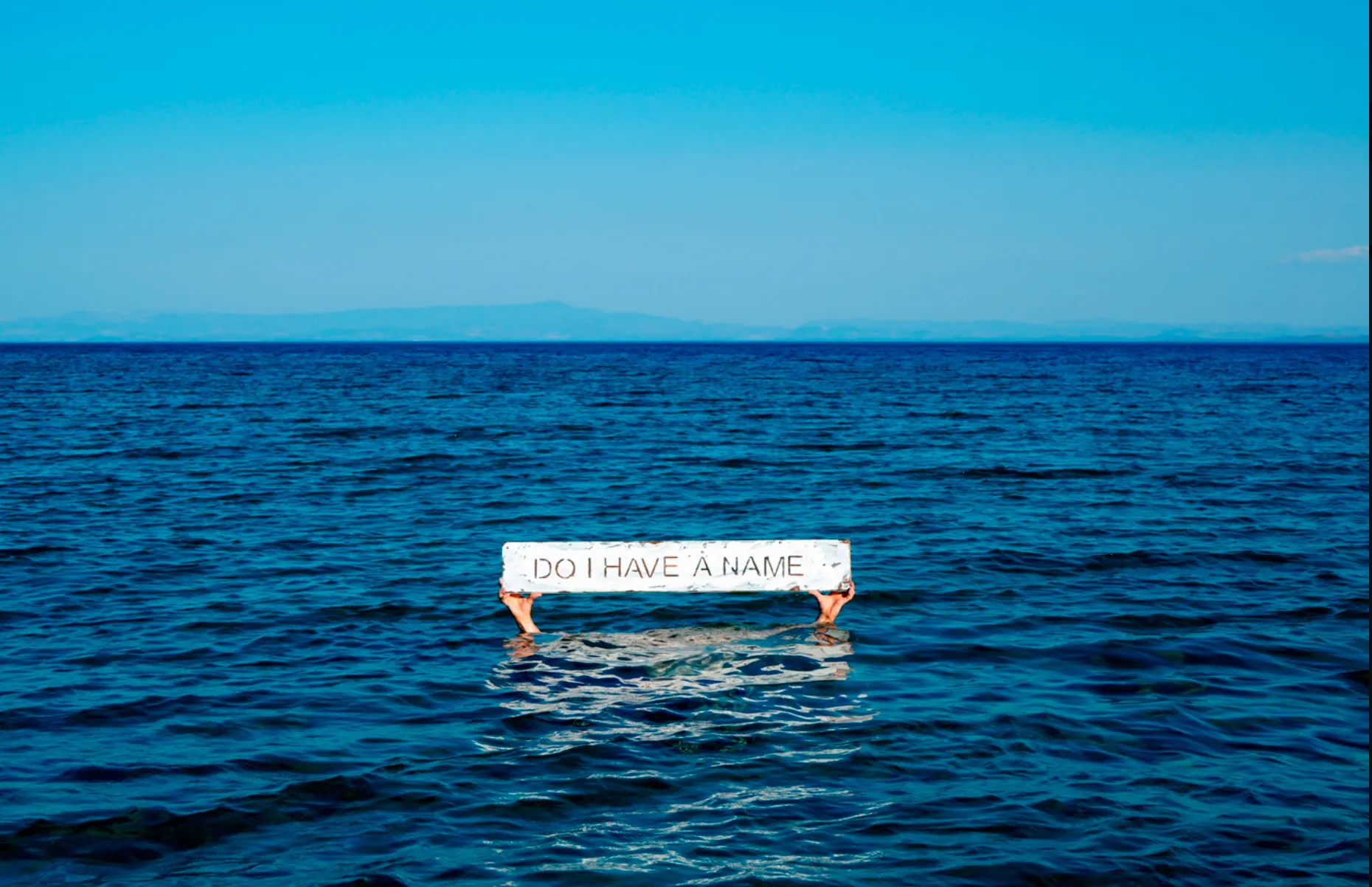
A Collective Framework, More Than 60 Artists from 9 Countries
The biennale’s approach, grounded in participation and collective production, continues in its 10th edition. Artists and works selected by a committee comprising Deniz Erbaş, Ebru Nalan Sülün, Halil Yoleri, Loukia Thomopoulou, Seyhan Boztepe, Vince Briffa, Yasemin Ülgen and Gu Zhenqing will meet audiences across the biennale’s various exhibition venues. Bringing together artists from Türkiye, the Netherlands, Germany, South Korea, the United Kingdom, China, Romania, France and Belgium, the biennale features more than 60 artists across 15 exhibition and event venues.
Among the artists participating in this edition are A. Serkan Aka, Adina Mocanu, Alex Long Yuan, Andreas Treske, Annika Boll, Ayça Telgeren, Aylin Zaptçıoğlu, Burçak Bingöl, Burcu Erden, Can Altay, Canan Bozbağ, Carmen Bouyer, Derya Geylani, Dilara Akay, Ece Kibaroğlu, Eda Çekil, Edward Burtynsky & Alkan Avcıoğlu, Elif Uras, Evren Karayel Gökkaya, Eymen Aktel, Fulya Çetin, Funda Susamoğlu, Füreya Koral, Gerrit Frohne-Brinkmann, Gizem Boyacıoğlu, Gökçe Kınay, Gözde Mimiko Türkkan, Gülden Ataman, Gülfidan Özmen, Hakan Yılmaz, Halil Yoleri, Hyeseung Lee, İlhan Sayın, Johannes Vogl, Kay Aplin, Kemal Tizgöl, Lara Ögel, Laurent Lacotte, Leyla Pekmen, Manfred Heinze, Meliha Coşkun, Melike Abasıyanık Kurtiç, Mark Verkerk, Meral Değer, Merve Mepa, Mesut Öztürk, Murat Yıldız, Mustafa Tunçalp, Nermin Kura, Oddviz, Ozan Atalan, Öznur Işır, Renée Levi, SENA – SEDNA, Serdar Yılmaz, Stijn Ank, Süleyman Yılmaz, Sunbin Lim, Tardu Kuman, Uğur Cinel, Volkan Aslan, Yaren Yıldız and Yasemin Özcan.
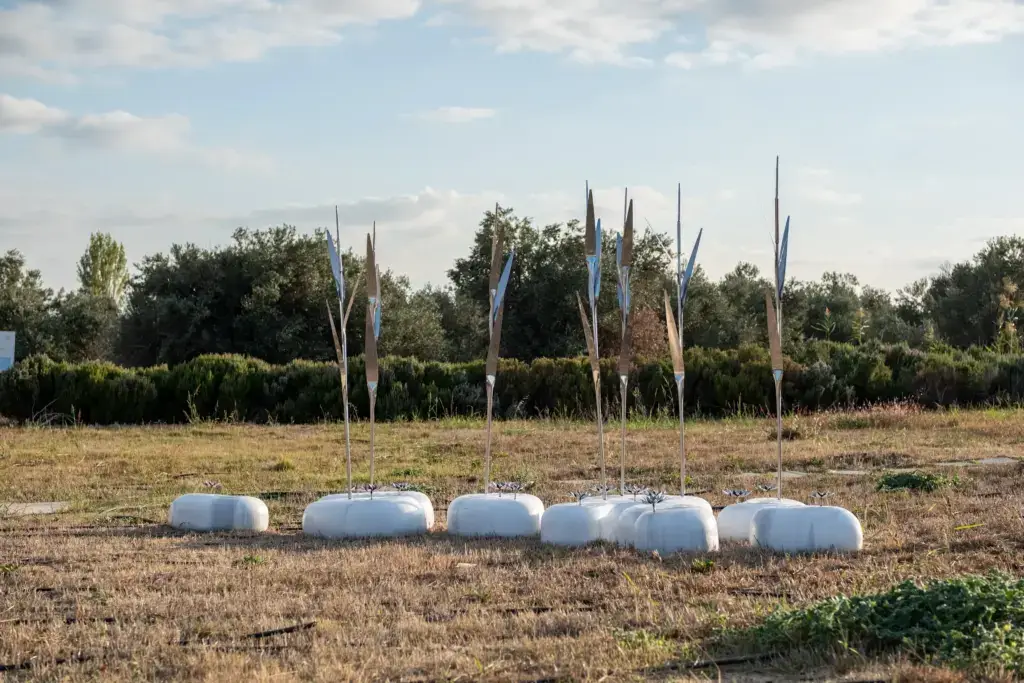
Ebb & Flow: From Çanakkale to Troy
The title “Metcezir // Ebb & Flow” draws on Çanakkale’s coastal geography to establish a metaphor of movement through the advance and retreat of water. The ebb and flow of the tides constitute a dynamic natural realm in which water and land meet, continuously giving rise to new forms. As in the quiet rhythms of tides, coastlines and deltas, each encounter generates new configurations, at times eroding and at others accumulating. This cycle reveals the essence of nature not as something static, but as a condition founded on transformation and mutual interaction. The interplay of land and water emerges as one of the most elemental yet powerful expressions of life.
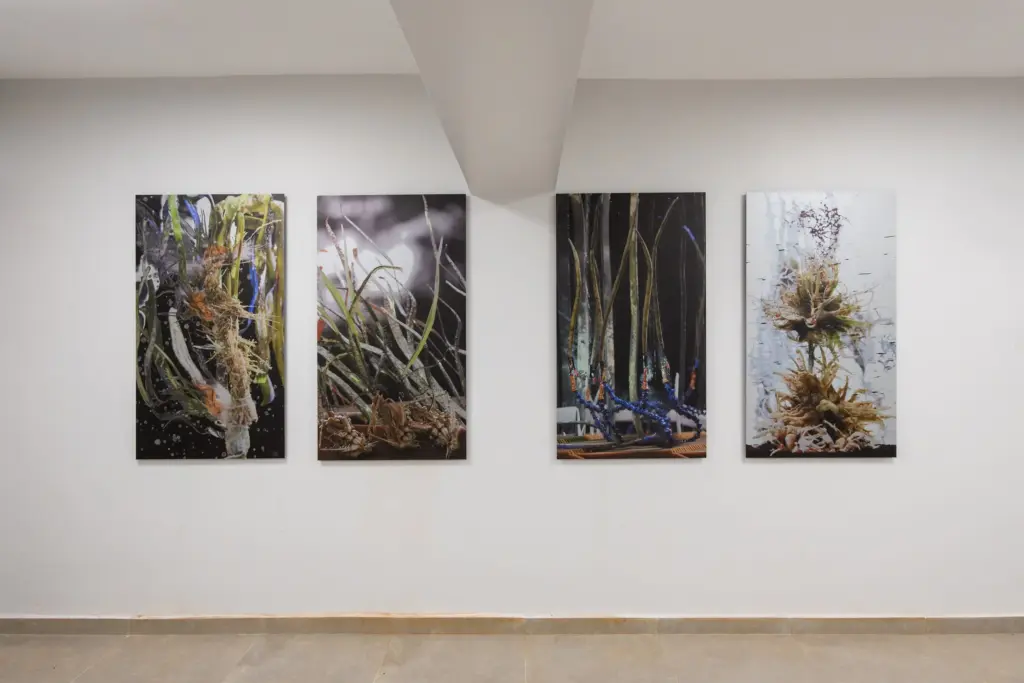
The 10th edition of the biennale takes shape around the relationship between “Land and Water”, focusing on both Çanakkale’s natural ecosystem and its living cultural heritage. The theme addresses these two fundamental elements not merely through their physical properties, but through the multidimensional relationships woven around them in time, memory and everyday life. How humanity’s relationship with nature shapes ways of making, learning and living constitutes one of the central areas of inquiry pursued by the biennale.
The Çanakkale Biennale approaches its distinctive geography—extending from the city centre to its villages, from newly developed settlements to historical sites—as an active component of the exhibition itself. Comprising exhibitions, performances, panels, talks, workshops and events spanning a range of disciplines, the programme takes contemporary art beyond the boundaries of galleries and museums, embedding it in the fabric of urban, rural and everyday life. Across a geography stretching from Çanakkale to Troy and from Ayvacık to Adatepe, the works of participating artists invite audiences to reconsider the region’s natural, cultural and historical layers.
Local Venues Meet Art
The Troy Museum: A Meeting Point of Archaeology and Contemporary Ceramics
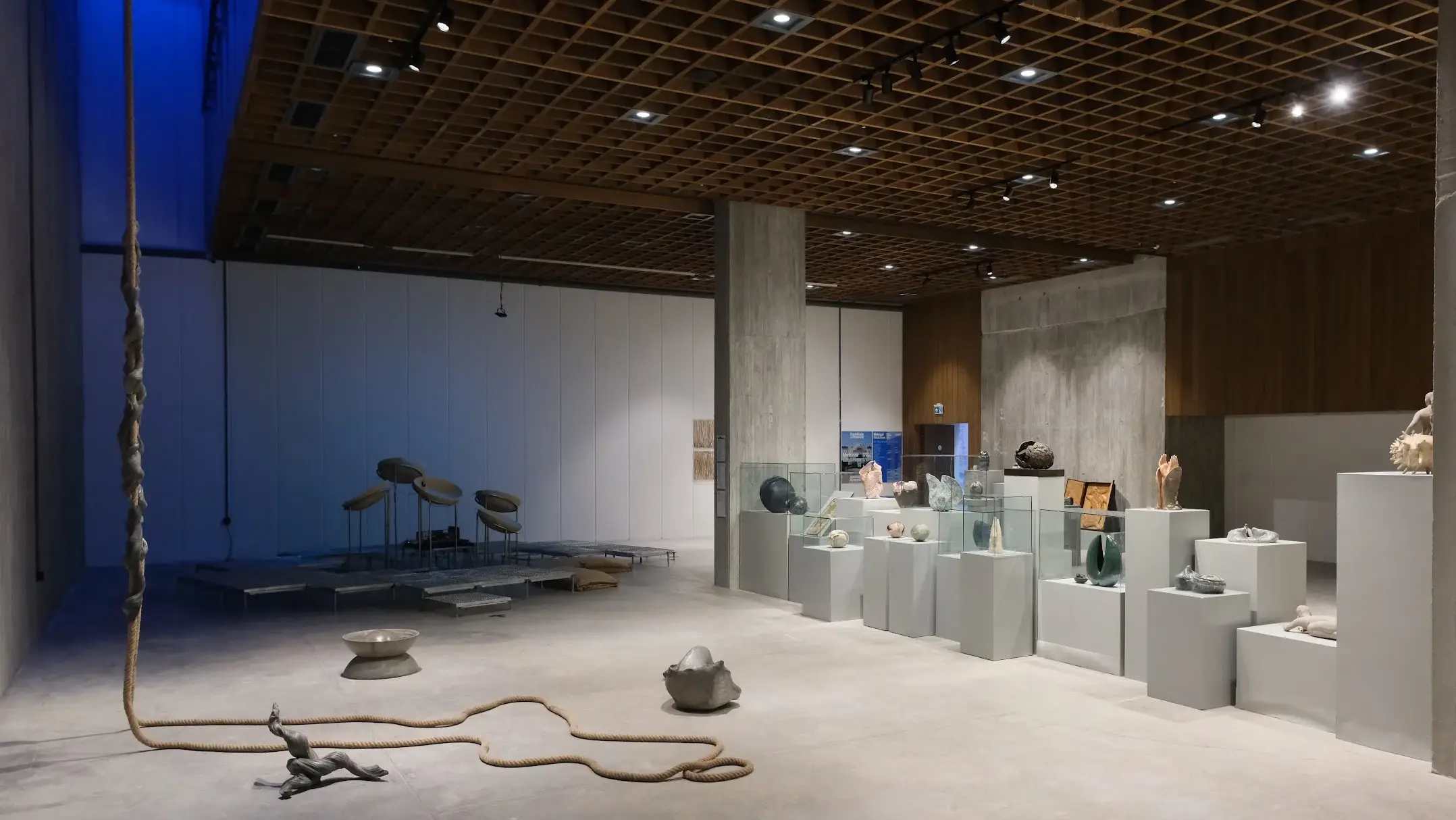
The Troy Museum, which hosts the opening, also serves as the centre of the “Special Focus: Ceramics” section, presented for the first time in the biennale’s history. Curated by Yasemin Ülgen, this selection opens up new ways of reading Çanakkale’s ceramic heritage alongside the experimental practices of different generations. The biennale exhibition at the museum features works by A. Serkan Aka, Ayça Telgeren, Aylin Zaptçıoğlu, Burçak Bingöl, Canan Bozbağ, Edward Burtynsky & Alkan Avcıoğlu, Elif Uras, Füreya Koral, Lara Ögel, Melike Abasıyanık Kurtiç, Meral Değer, Merve Mepa, Nermin Kura, Oddviz, SEDNA, SENA, Tardu Kuman, Uğur Cinel, Volkan Aslan, Yaren Yıldız and Yasemin Özcan.
Mavi Ev: From Ceramics to Sound and Digital Imagery
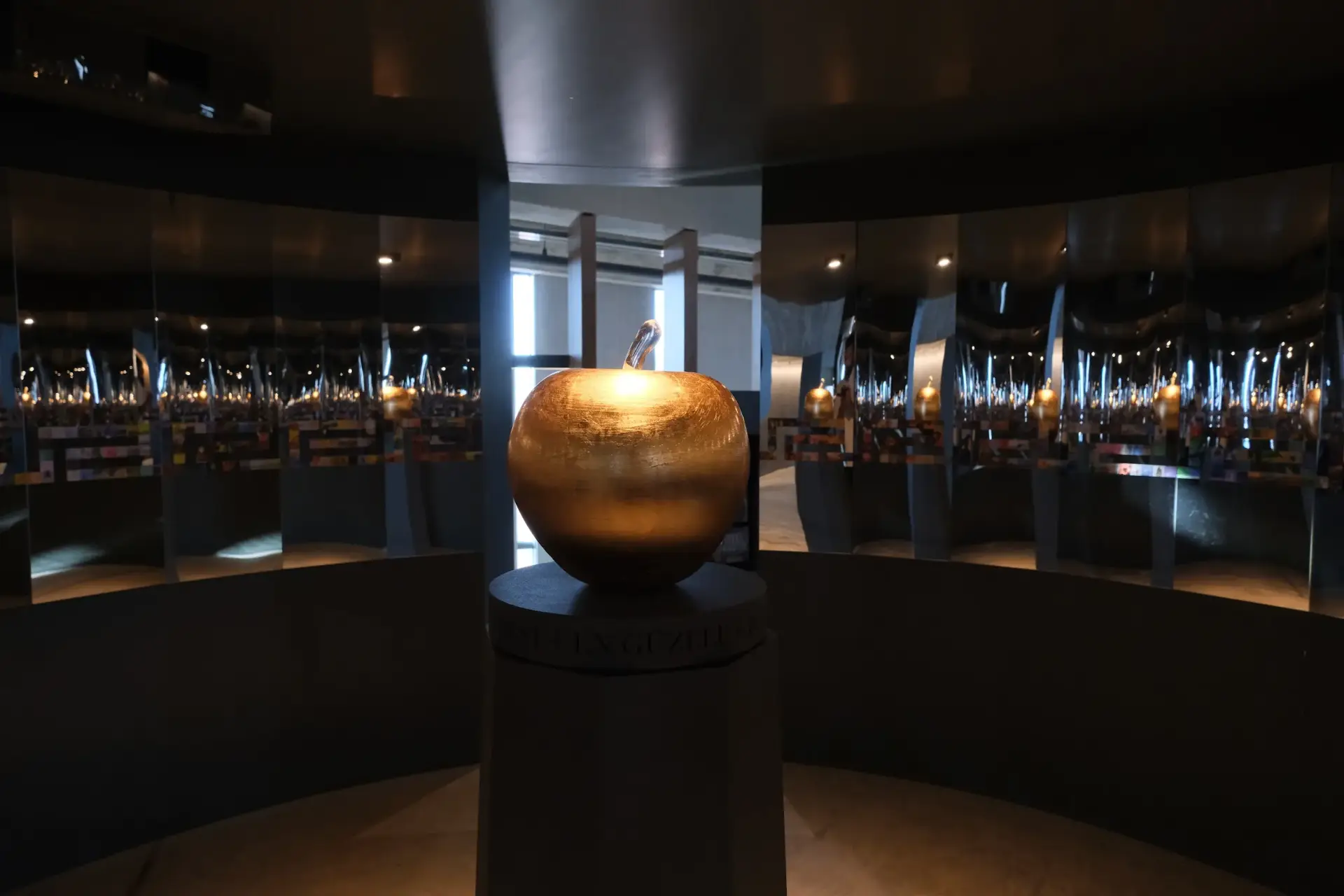
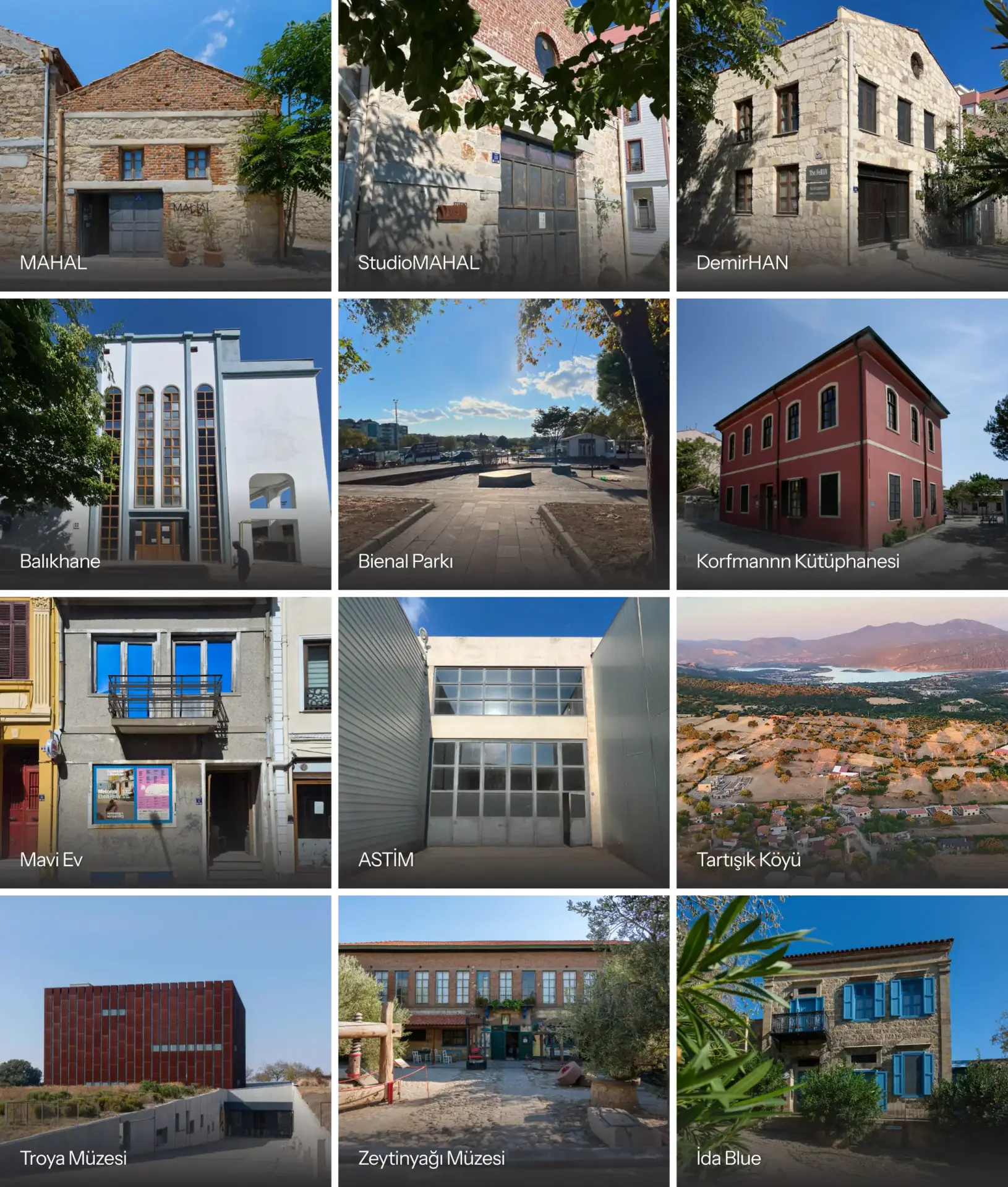
Located in the heart of the bazaar, Mavi Ev establishes connections between materials and modes of expression through an exhibition extending across two floors. On the ground floor, a selection of ceramic and glass works curated by Ebru Nalan Sülün features Derya Geylani, Gülden Ataman and Kemal Tizgöl. Gülden Ataman’s ceramic musical instruments are accompanied by a video documenting musicians from Çanakkale playing them. The upper floor is dedicated to Gerrit Frohne-Brinkmann’s installation, Gökçe Kınay’s paintings and Süleyman Yılmaz’s digital work, activated through audience participation, all presented as part of the biennale’s main selection.
Traces of Archaeological Memory at the Korfmann Library
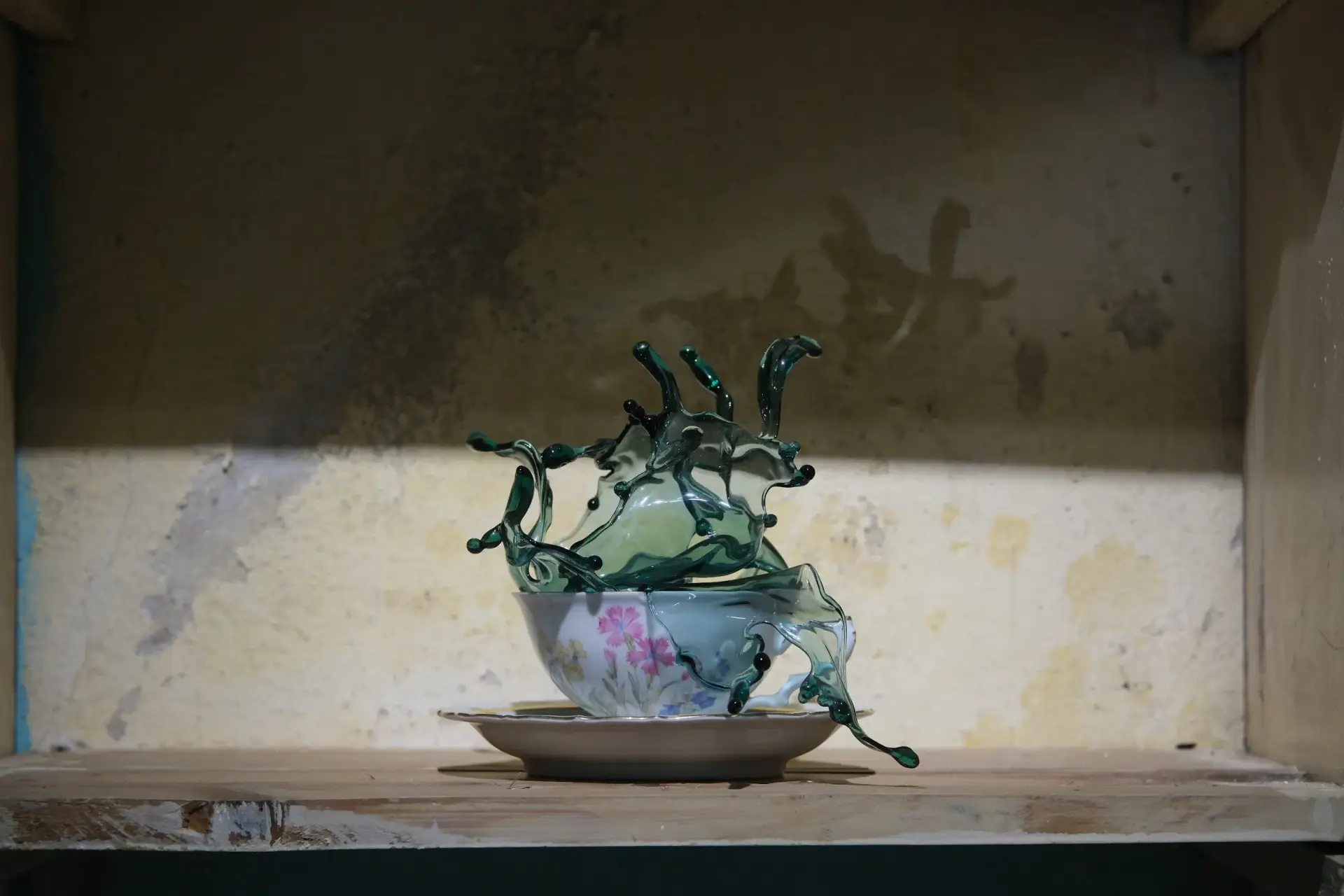
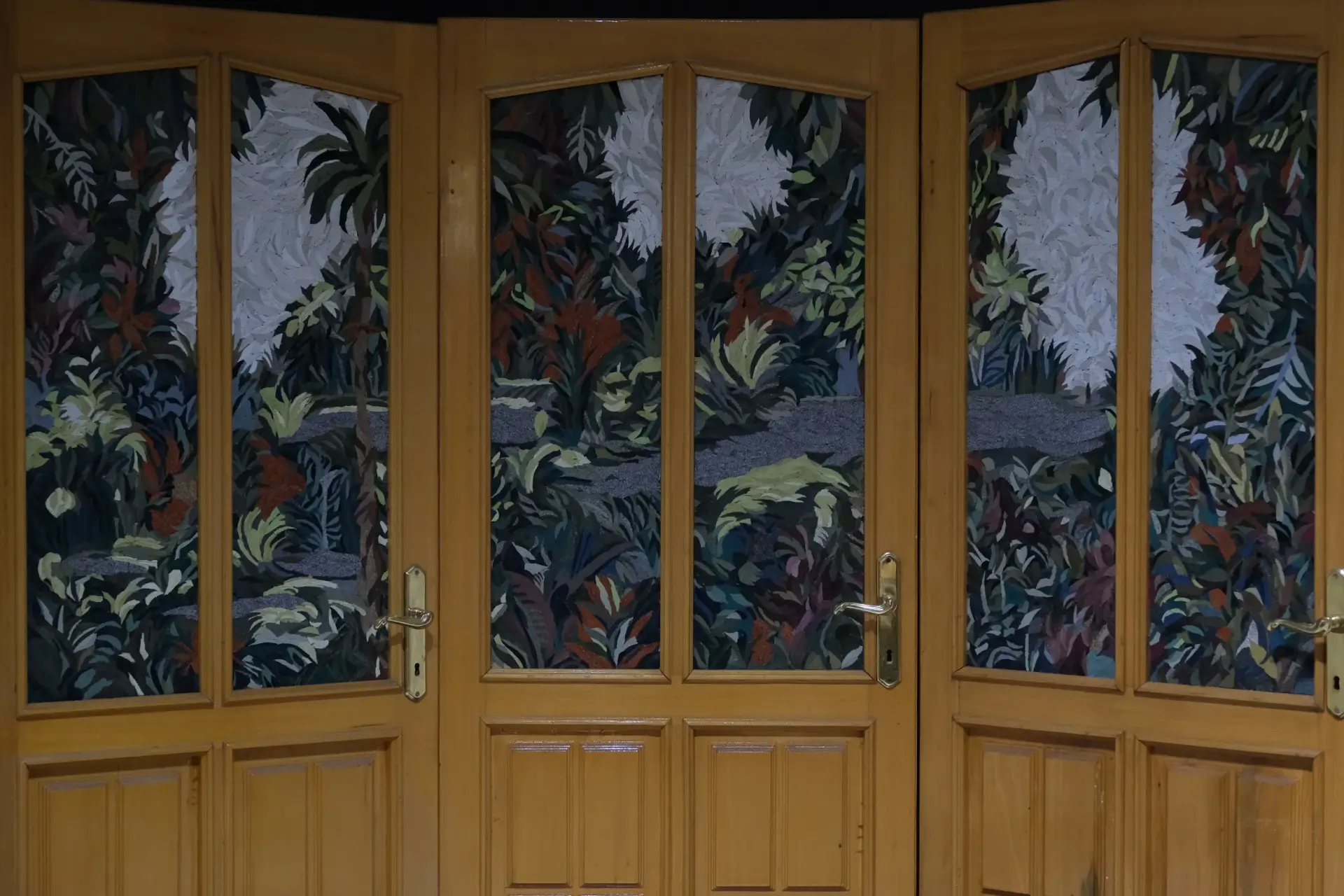
Housed in a building that formerly served as a school and tobacco warehouse, the M. Osman Korfmann Library of the Troia Foundation is one of the biennale’s venues in the city centre. With its extensive scholarly resources on the archaeology of Troy and the Troad, the library provides a distinctive context for the exhibition. The gallery space features works by Alex Long Yuan, Burcu Erden, Ece Kibaroğlu, Eymen Aktel, Funda Susamoğlu and Murat Yıldız. The selection, with its emphasis on ceramics, establishes a dialogue with the library’s research-oriented identity. While Funda Susamoğlu’s Child Carrying a Rooster takes inspiration from a terracotta figurine at the Troy Museum, Eymen Aktel’s adobe production brings together the architectural finds of Troy and the region’s building traditions.
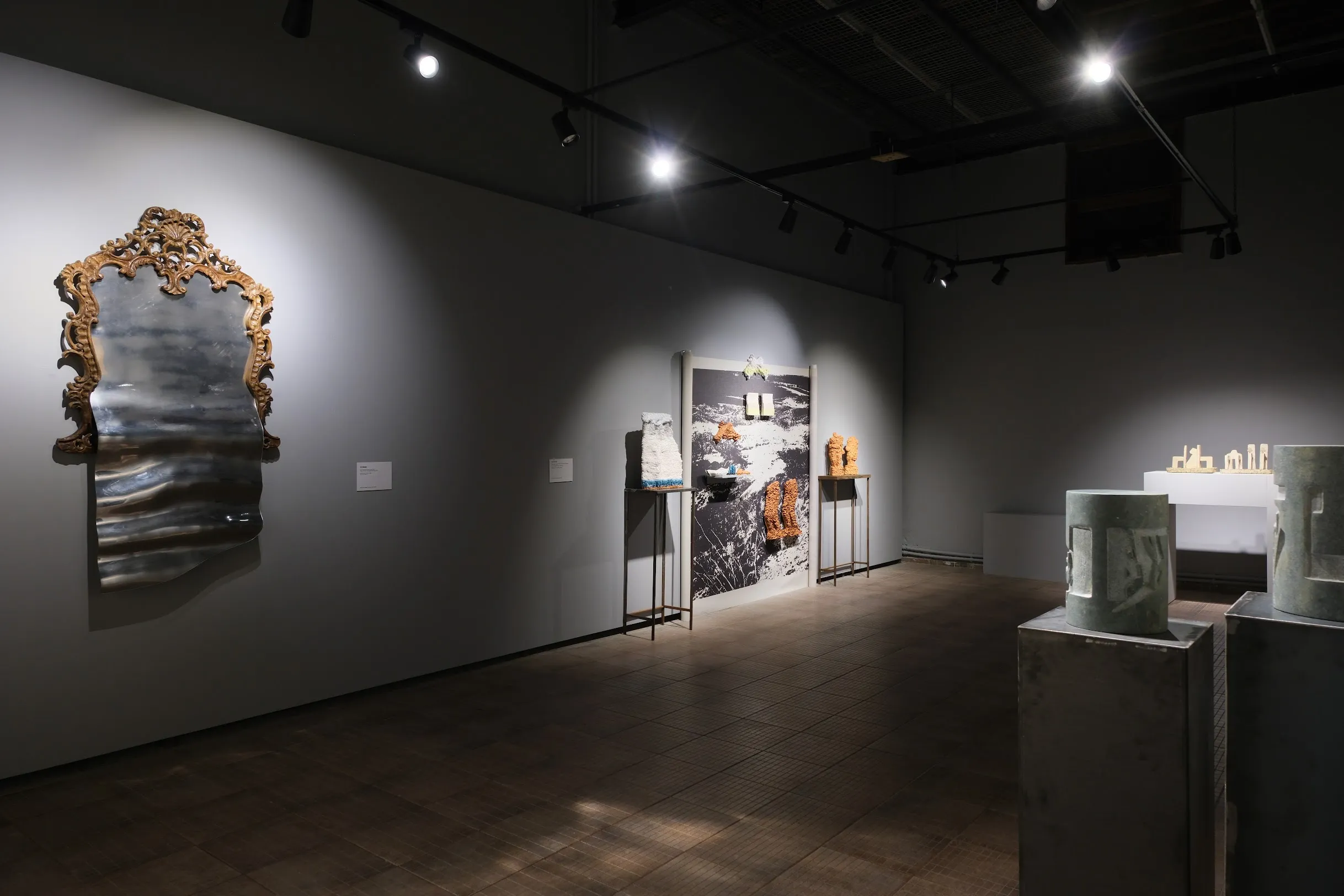
MAHAL: Ecological Investigations in a Former Acorn Warehouse
Converted from a former acorn warehouse on the banks of the Sarıçay River, MAHAL is one of the biennale’s central venues and an art space operated by CABININ throughout the year. The exhibition here features Ece Kibaroğlu, Eda Çekil, Gözde Mimiko Türkkan, Hyeseung Lee, Johannes Vogl, Meliha Coşkun and Sunbin Lim. Vogl’s project Summer Rain – The Scent of Memories traces the scent experienced after rainfall, drawing on the soil and plant life of the Aegean region. The project was developed as part of Sea Villas – Ecological Transitions, a programme initiated in 2025 by the Institut français de Turquie and Goethe-Institut İzmir.
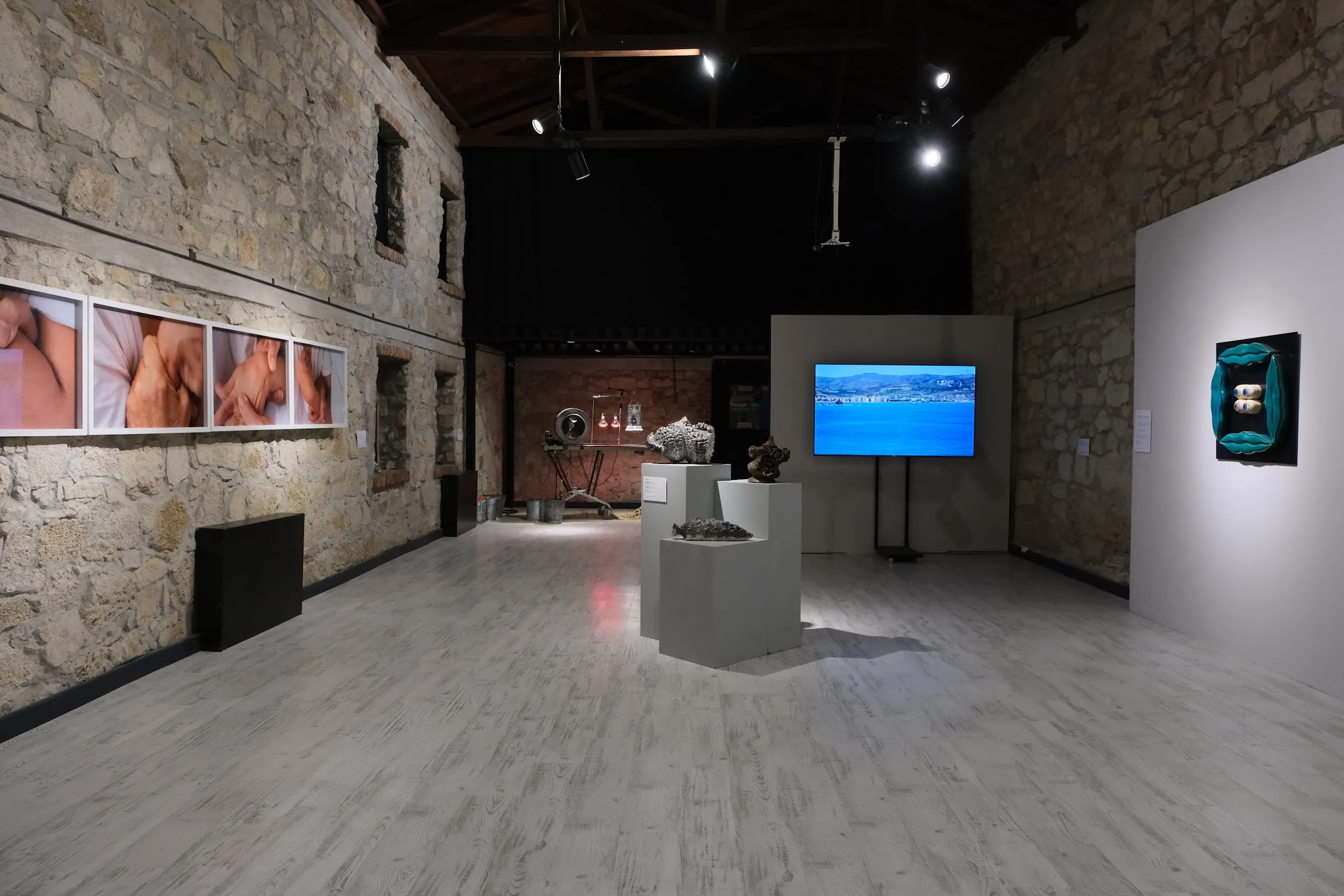
StudioMAHAL
Neighbouring MAHAL, StudioMAHAL hosted the biennale’s preparatory process through its dedicated artist workspace and artist-in-residence programme. Hakan Yılmaz’s work can be viewed here as part of the 10th edition. Throughout October and November, the venue will also host piano performances and conversations on art.
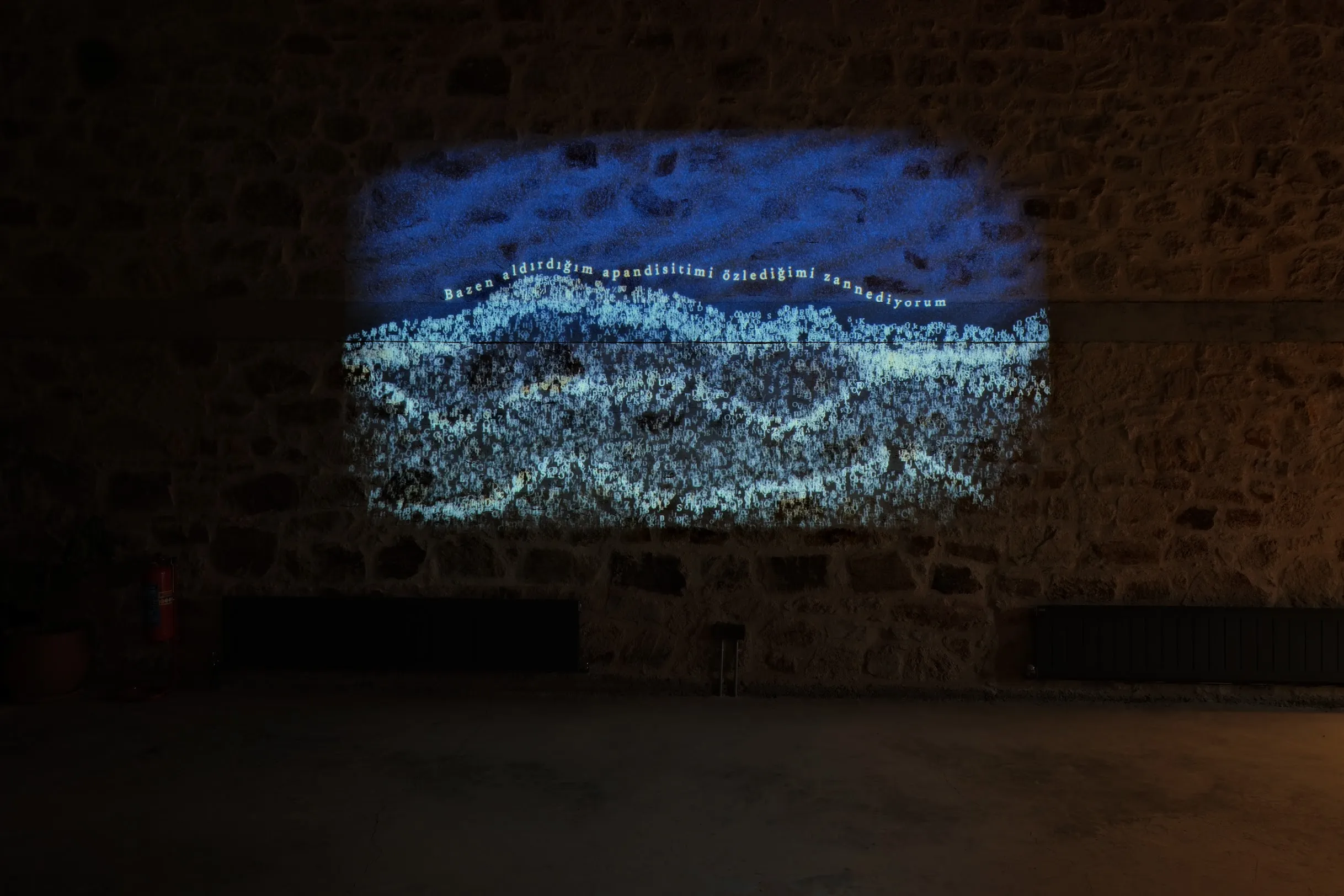
DemirHAN: The Material Memory of Water and Earth
Located alongside MAHAL in the former acorn warehouse district, DemirHAN presents works by Evren Karayel Gökkaya, Gülfidan Özmen, Halil Yoleri, Mesut Öztürk, Mustafa Tunçalp and Ozan Atalan on its ground floor. The relationships between water, earth, memory and time form the shared axis of the selection. Ozan Atalan’s four-channel video installation and Mesut Öztürk’s new works, developed from ceramic fragments and firebricks encountered in Çanakkale, offer distinct explorations of these relationships.
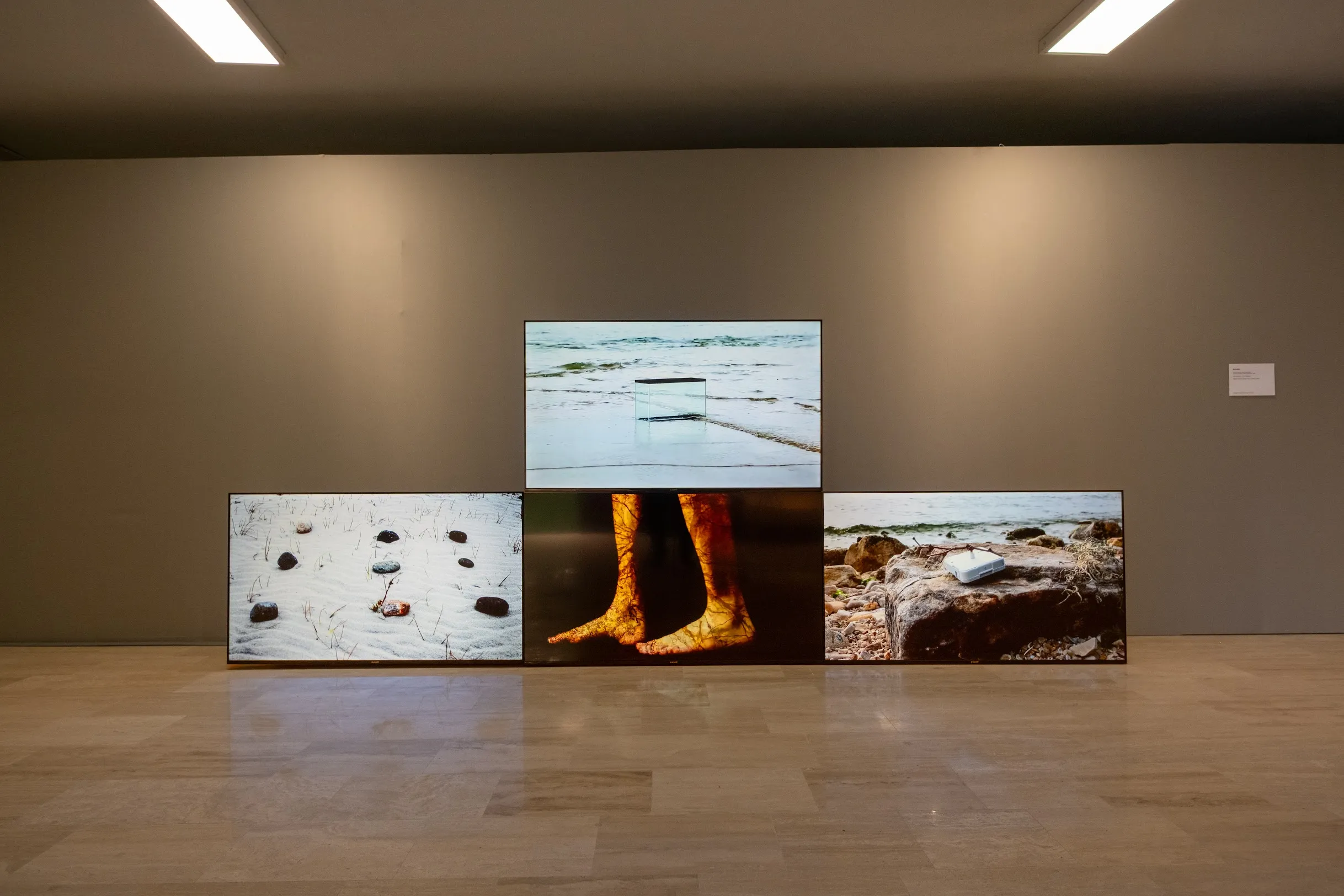
Balıkhane: From Marine Life to Deltas
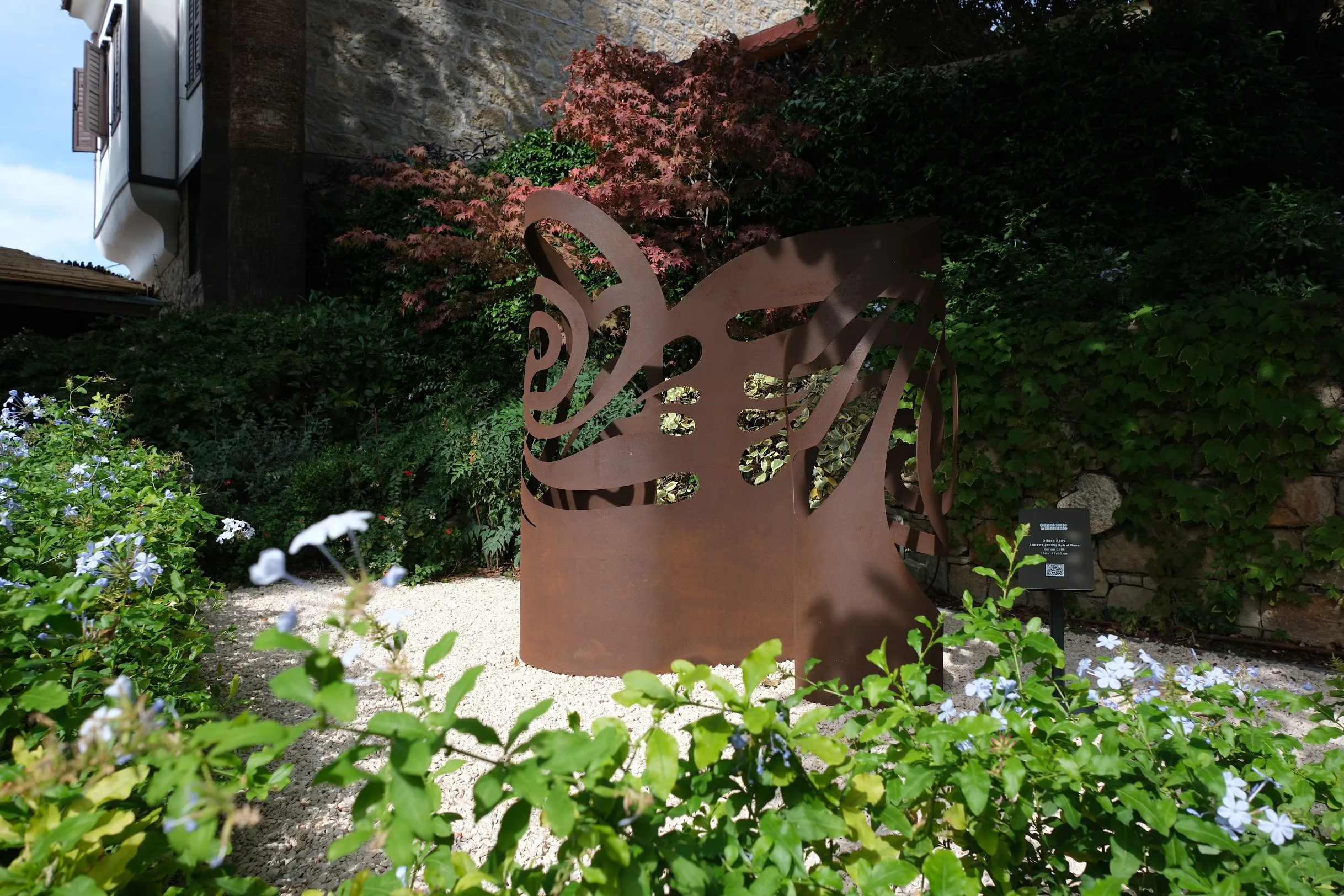
The exhibition on the first floor of Balıkhane, where the city’s seafood trade continues to this day, extends from marine ecosystems and coastal life to archaeology. Adina Mocanu, Andreas Treske, Annika Boll, Carmen Bouyer, Dilara Akay, Fulya Çetin, Gizem Boyacıoğlu, İlhan Sayın, Laurent Lacotte, Leyla Pekmen, Öznur Işır and Serdar Yılmaz are represented here. Adina Mocanu’s paintings of fish form a frieze extending throughout the space. As part of Sea Villas – Ecological Transitions, Carmen Bouyer’s project From Delta to Delta establishes a connection between the Gediz and Rhône deltas, while Annika Boll’s Underwater Digital Gardening creates a digital landscape from three-dimensional scans of marine organisms and underwater textures.
Biennale Park: A Public Artwork Inspired by the Layers of Troy
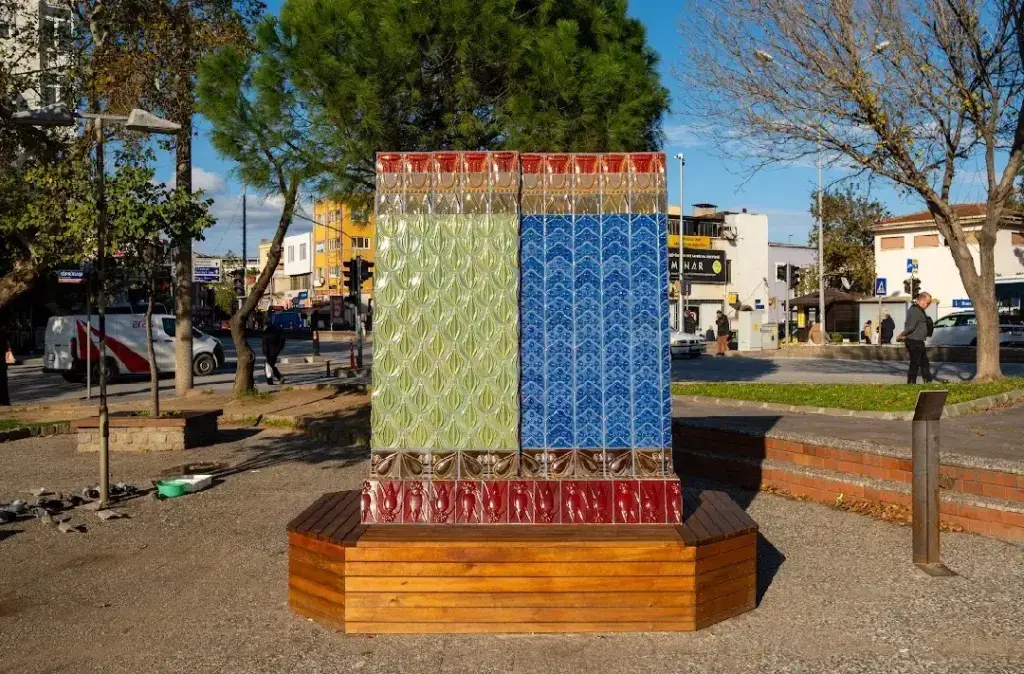
Çanakkale Biennale Park, located at Köprübaşı, hosts a site-specific public artwork by Kay Aplin. Nine tile patterns inspired by the nine settlement layers of Troy have been brought together using ceramics produced in Çan. The work is intended to remain in the city after the biennale concludes.
ASTİM Opens Industrial Workshops to the Exhibition
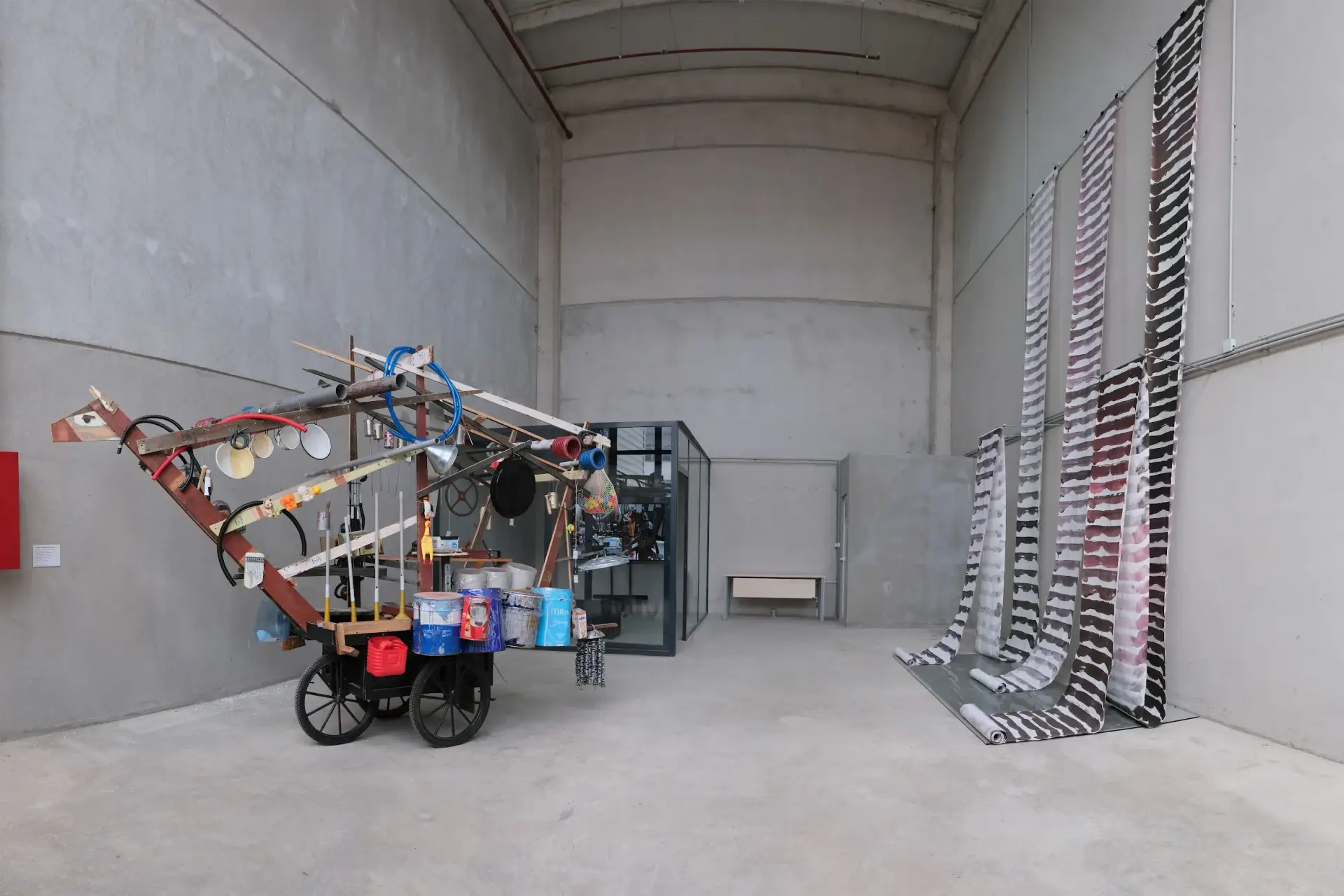
ASTİM, an initiative established by artists working in the industrial zone, has opened its production spaces to biennale visitors. Participating in the programme as ASTİM 1, Helin Boztepe Studio presents works by A. Serkan Aka and Gözde Mimiko Türkkan. At ASTİM 2, Süleyman Yılmaz Studio, visitors can see a work by Manfred Heinze.
Yukarı Tartışık Village: The Biennale’s Rural Venue
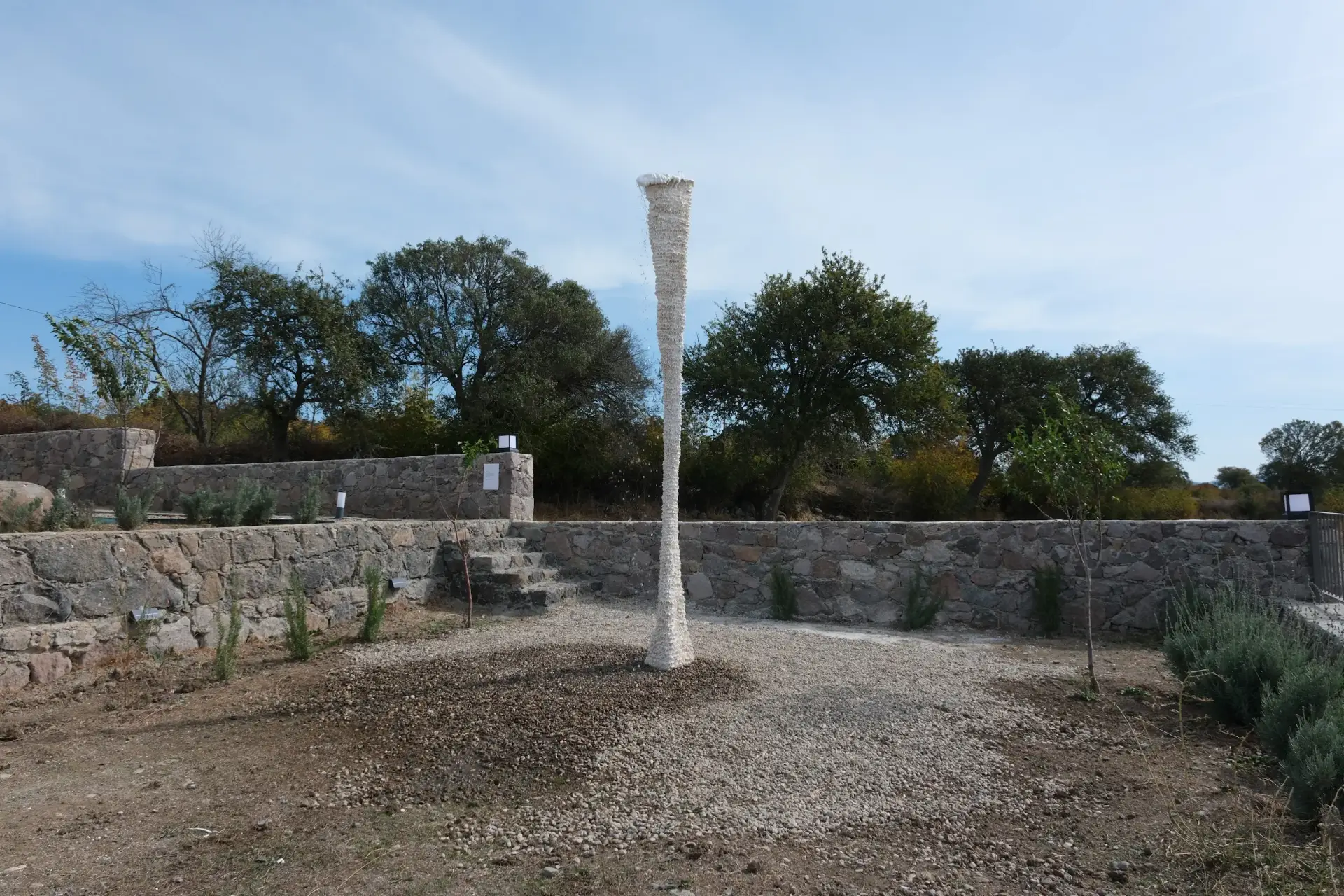
ORMOS, located in Yukarı Tartışık Village in Ayvacık, is the biennale’s rural venue, with a settlement shaped by local stone and contemporary architecture. Works by Can Altay, Renée Levi and Stijn Ank are exhibited here.
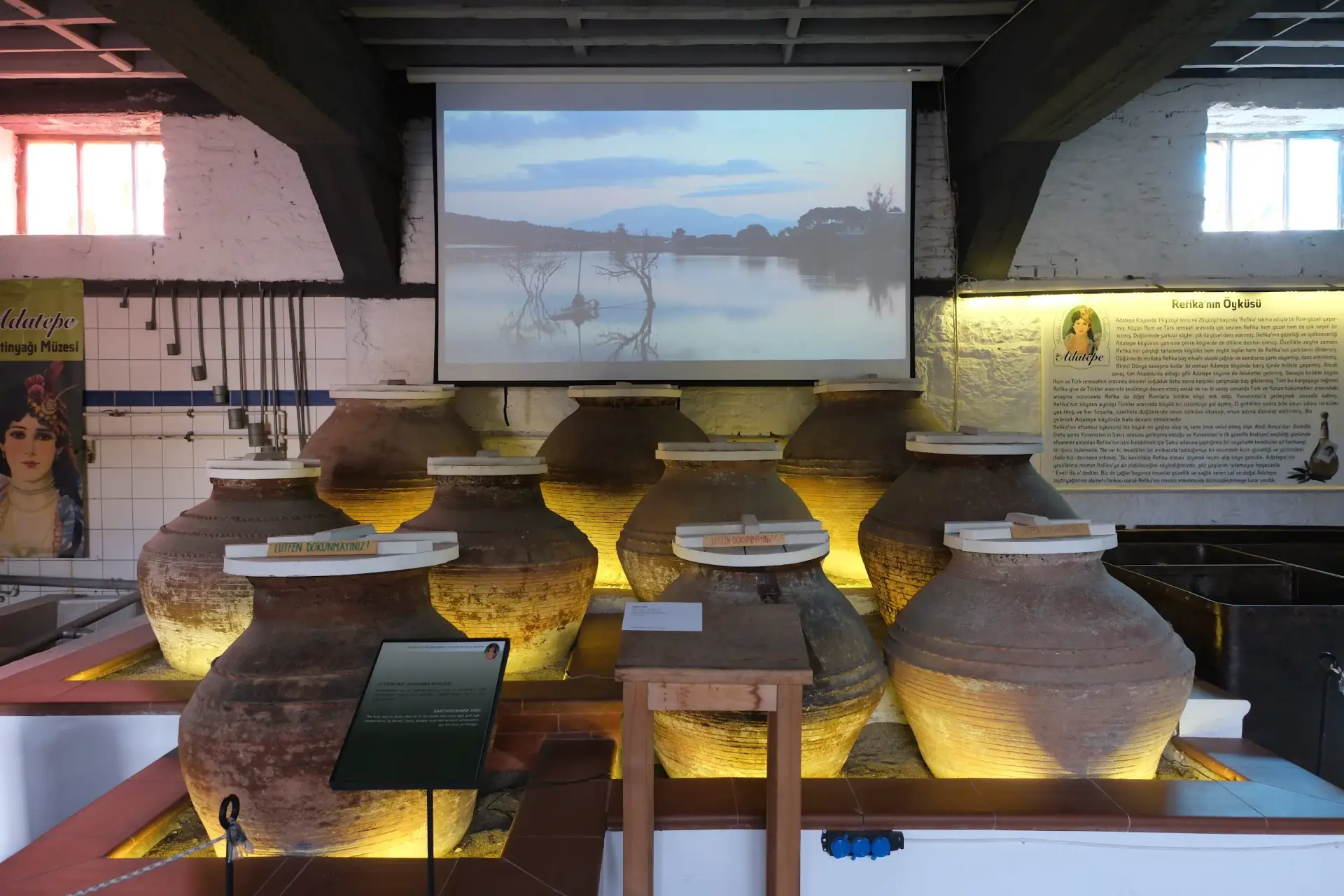
Adatepe Olive Oil Museum Opens Its Production Heritage to the Biennale
Housed in a former soap factory in Küçükkuyu, the Adatepe Olive Oil Museum preserves the region’s olive-growing culture and the tools associated with its production. Works by Andreas Treske and Fulya Çetin meet audiences at this biennale venue.
İda Blue: Three Artists in Stone Houses
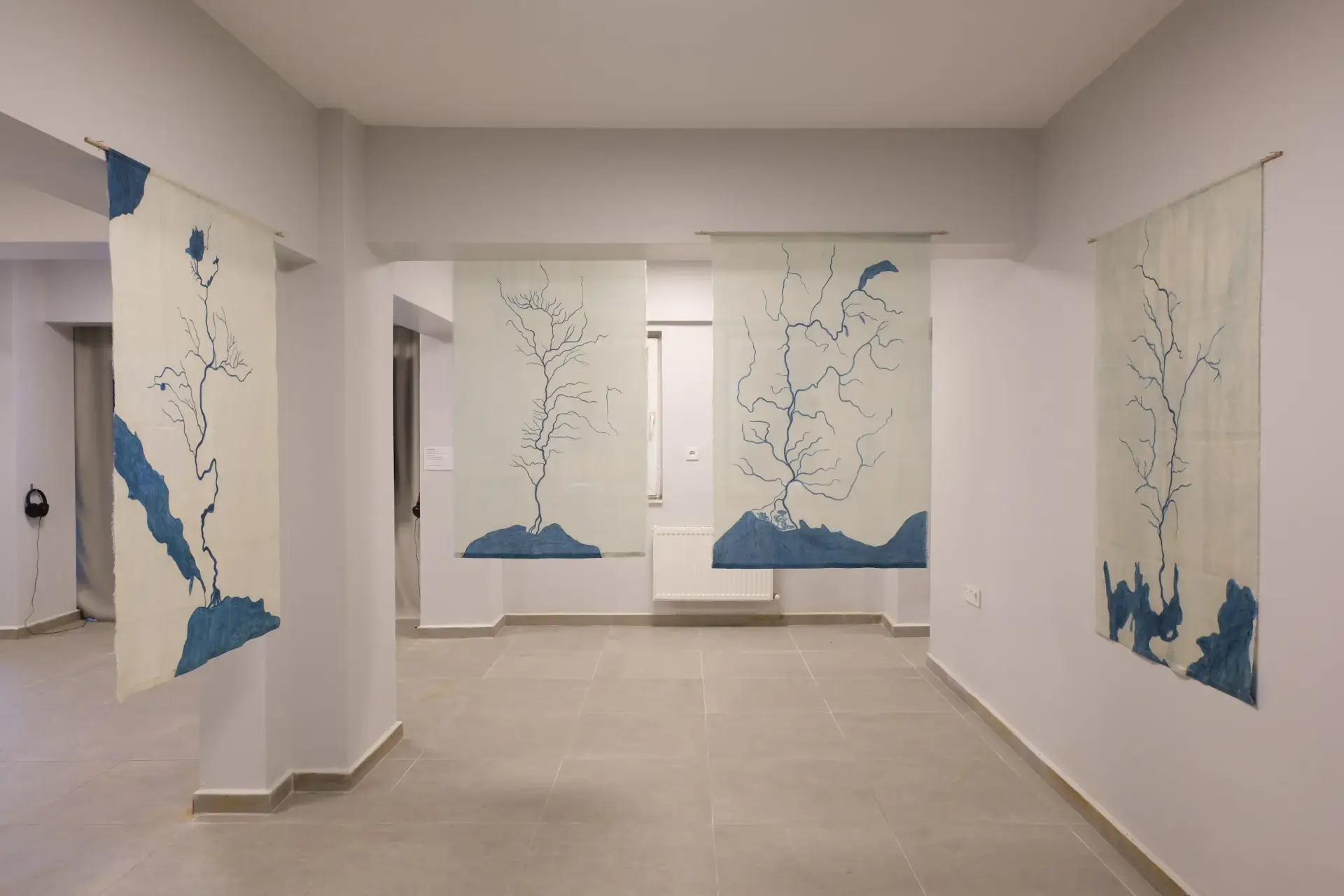
Comprising restored stone houses in Adatepe, İda Blue hosts works by Dilara Akay, Hakan Yılmaz and Meliha Coşkun within its domestic-scale spaces. In this way, the biennale can also be experienced within the everyday fabric of village life, alongside its presence in museums and studios.
Projects and International Collaborations
The artistic outcomes of the international projects and collaborations developed by CABININ in recent years, primarily through MAHAL and StudioMAHAL, are being brought together for audiences for the first time within the framework of the 10th Çanakkale Biennale.
Sea Villas – Ecological Transitions is an international artist residency programme initiated in 2025 in collaboration with Institut Français de Turquie and Goethe-Institut İzmir. Exploring the ecological, cultural and social transformations of the Mediterranean through art, the programme invites artists from different countries to reflect and produce work around local environments, ecological transitions and the shared concerns of the Mediterranean. The artistic productions developed within the programme are being presented together for the first time as part of the biennale. Focusing on the biennale’s relationship with water and the sea, this special programme is enriched by the works of international artists. With the contribution of DARDANEL, which has supported the biennale since 2018, it also offers perspectives that strengthen Çanakkale’s historical, cultural and everyday connections with the sea.
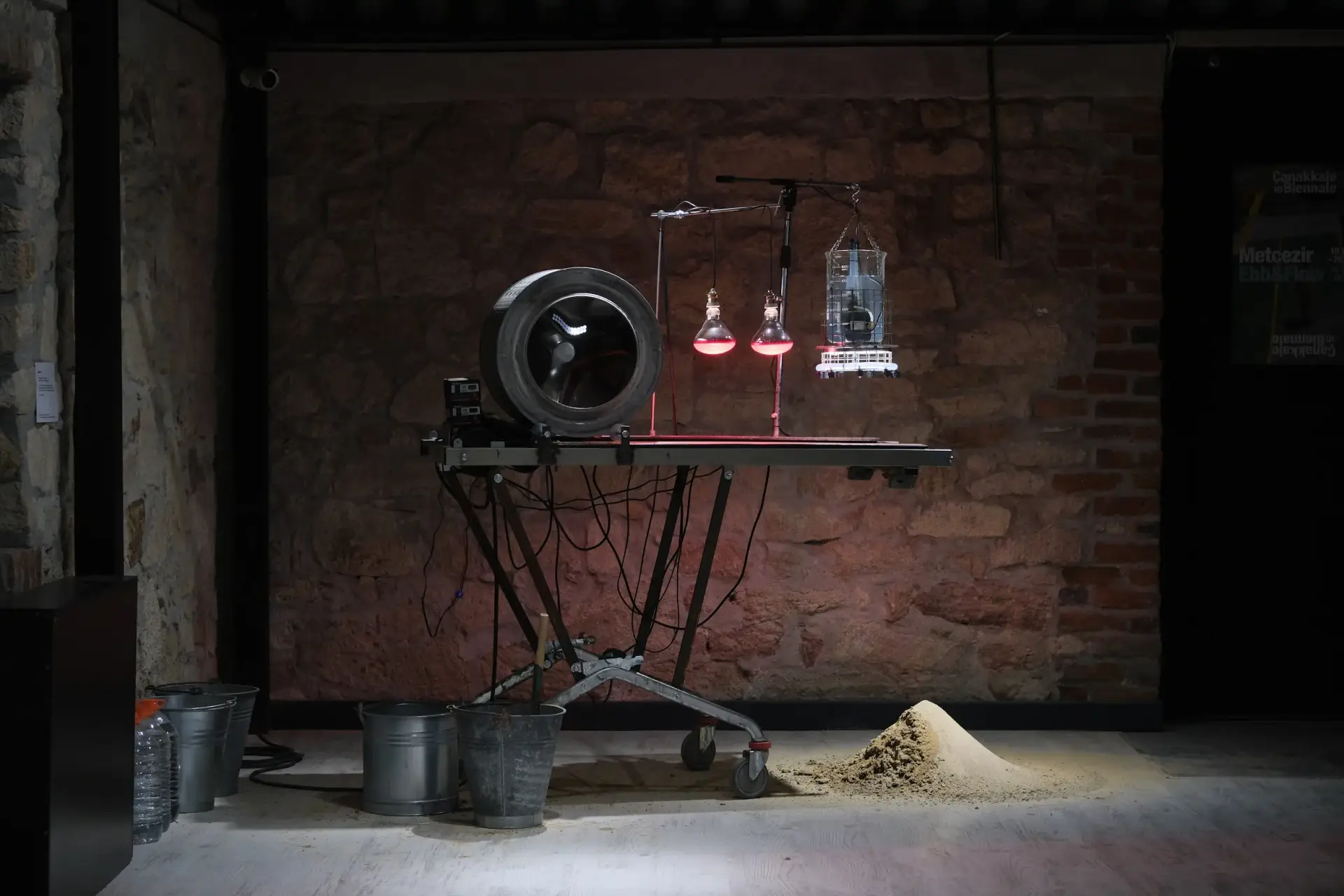
Another project, Gravitas – Regional Cultural Heritage Art Network, is being implemented with the support of the European Union within the framework of the CultureCIVIC: Cultural and Artistic Support Programme. Bringing together Tekirdağ, Edirne, Çanakkale and Balıkesir, the project aims to reconsider cultural heritage through contemporary art and regional collaborations, while establishing a sustainable cultural and artistic network among the cities. Artistic productions by artists from all four cities will also be presented as part of the 10th Çanakkale Biennale.
New Productions Inspired by Çanakkale
The Çanakkale Biennale also hosts a considerable number of new works produced by artists in Çanakkale. Approaching the theme “Metcezir // Ebb & Flow” directly through its local context, these works take shape through distinctive relationships established with the city’s geography, history, cultural heritage and everyday life.
New productions realised with the support of the Institut Français, Goethe-Institut, Tarabya Cultural Academy and the Consulate of the Netherlands, as well as SAHA Association, ClubHouse, Dereli Art and ORMOS, make further contributions to the international artistic experience that the Çanakkale Biennale has cultivated over the years.
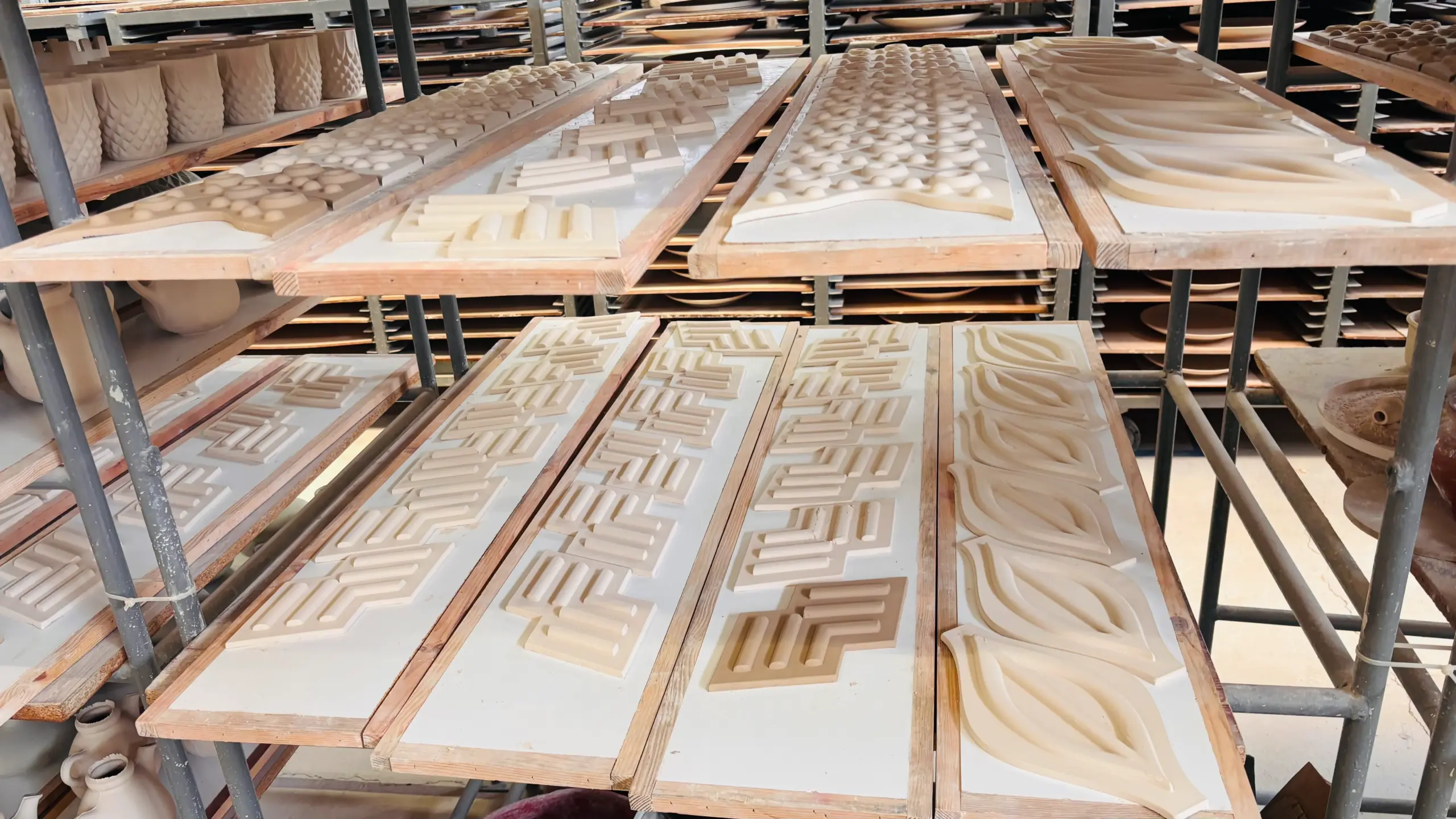
Within the framework of “Metcezir // Ebb & Flow”, the Çanakkale Biennale develops a special focus on ceramics. Addressing the relationship between water and earth directly through material, this section establishes a new dialogue between Çanakkale’s rich ceramic production heritage and contemporary art practices. The distinctive selection curated by Yasemin Ülgen and presented at the Troy Museum forms the centrepiece of this ceramic focus. With the principal support of the Kale Group and under the coordination of the Kale Design and Art Center (KTSM), ceramics are approached at the Biennale not merely as an artistic discipline, but as a context that brings Çanakkale’s cultural and industrial memory into dialogue with contemporary modes of production.
The relationships between craftsmanship as a bearer of traditional knowledge, industrial production technologies and contemporary art reveal an ongoing continuity between the past and the future. Through this approach, the biennale does more than commemorate Çanakkale’s ceramic heritage: it carries this legacy into the future by connecting it with contemporary art, new production technologies and public space.
The collaborative project undertaken with artist and founder of The Ceramic House, Kay Aplin, with the support of the British Council’s Connections Through Culture programme, explores the possibilities of ceramics in public space. Aplin’s new work, produced in Çanakkale with the support of the Kale Group, will remain in the city after the biennale as a permanent public art installation.
Twenty Years of Experience, A New Milestone
Following the large-scale, internationally oriented contemporary art exhibitions organised by CABININ in Çanakkale since 2006, the biennale journey that began in 2008 has brought together artists from different generations, cultural professionals, local stakeholders and audiences in the city. Over the years, through the lasting cultural infrastructures it has established in the city, its contemporary art-focused community and its artistic productions, the initiative has evolved into a distinctive contemporary art platform. By making the continuity of this long-term cultural and artistic framework visible, the 10th Çanakkale Biennale once again positions Çanakkale as one of the significant destinations on the international contemporary art circuit this autumn.
Supporters:
The 10th Çanakkale Biennale was realised with the principal support of Dardanel, Kale Group and Kale Design and Art Center, and in collaboration with the Çanakkale Provincial Directorate of Culture and Tourism, Çanakkale Municipality and Çanakkale Onsekiz Mart University. The Troy Excavations Directorate, ÇATKAV and the Troia Foundation served as local partners, while the 1915 Çanakkale Bridge and Motorway provided institutional support. New artistic productions were made possible with contributions from Institut français de Turquie, Goethe-Institut, Tarabya Cultural Academy, the Consulate of the Netherlands, SAHA Association, ClubHouse, Dereli Art and ORMOS.