


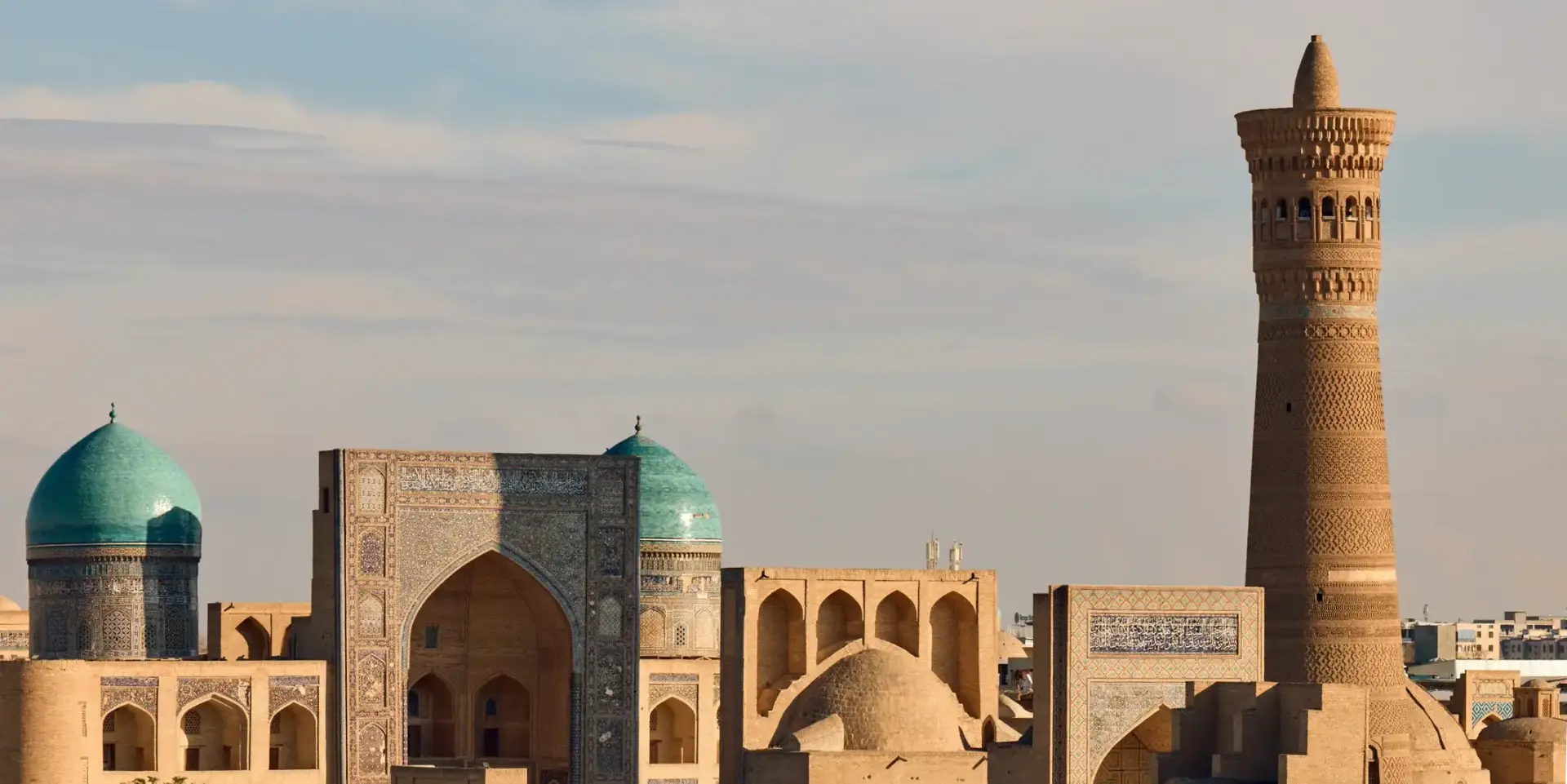
The second Bukhara Biennial will take place from 3 September to 21 November 2027 under the title The Long Welcome. Conceived and commissioned by Gayane Umerova, Chairperson of the Uzbekistan Art and Culture Development Foundation (ACDF), and led by Artistic Director Kulapat Yantrasast, founder and creative director of WHY Architecture, the 2027 edition takes the city’s history as a Silk Road crossroads as its starting point for an exploration of hospitality, cultural exchange and shared creative practice.
At the centre of The Long Welcome is hospitality understood not simply as an act of receiving visitors, but as a reciprocal exchange that can shape relationships between people, places and cultures. Bukhara’s historic role as a meeting point for travellers, merchants and craftspeople provides the context for a programme in which artists work alongside local communities and makers. All commissions will be produced in Uzbekistan, with projects developed through engagement with the city and its residents.
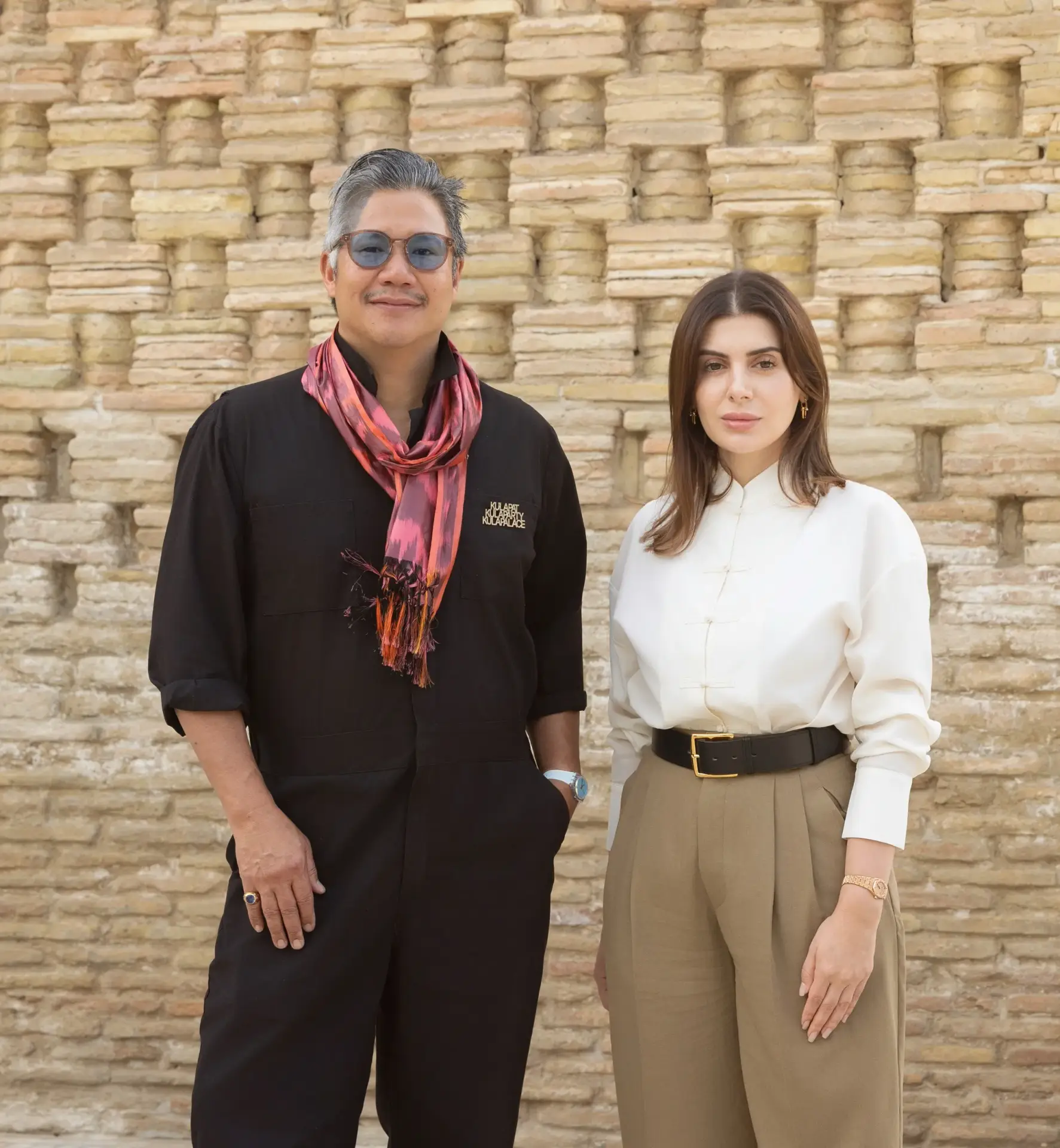
“At a time when the world needs dialogue and understanding more than ever, culture can bring people together and open space for a shared future. For centuries, Bukhara welcomed travellers, craftspeople and merchants from across the world, and that openness shaped its identity. Through the biennial, we want to carry this legacy forward through contemporary art, so that it becomes part of life in the city, creates opportunities for its residents and leaves a lasting cultural legacy,” says Gayane Umerova.
For Kulapat Yantrasast, the biennial’s relationship with the city is central to the idea of hospitality and to the legacy that the commissions might leave behind.
“The Long Welcome celebrates the spirit of hospitality that made Bukhara worth crossing continents to reach, and worth returning to again and again. When people welcome you into their city, you want to give something back. My hope is that an artist who returns to Bukhara years from now will find that something they made with people here has become part of everyday life.”
Artists Shaping the Second Edition
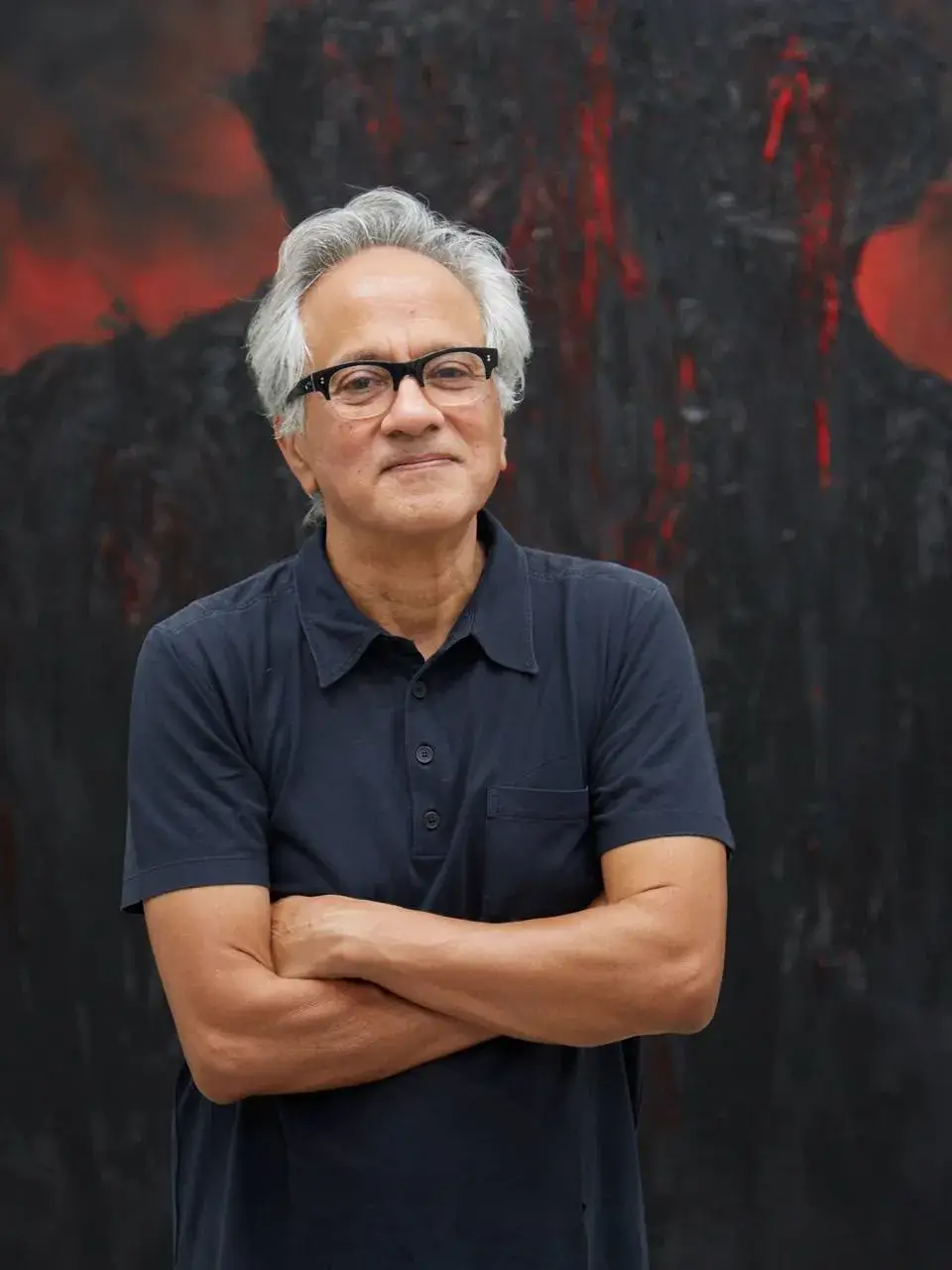
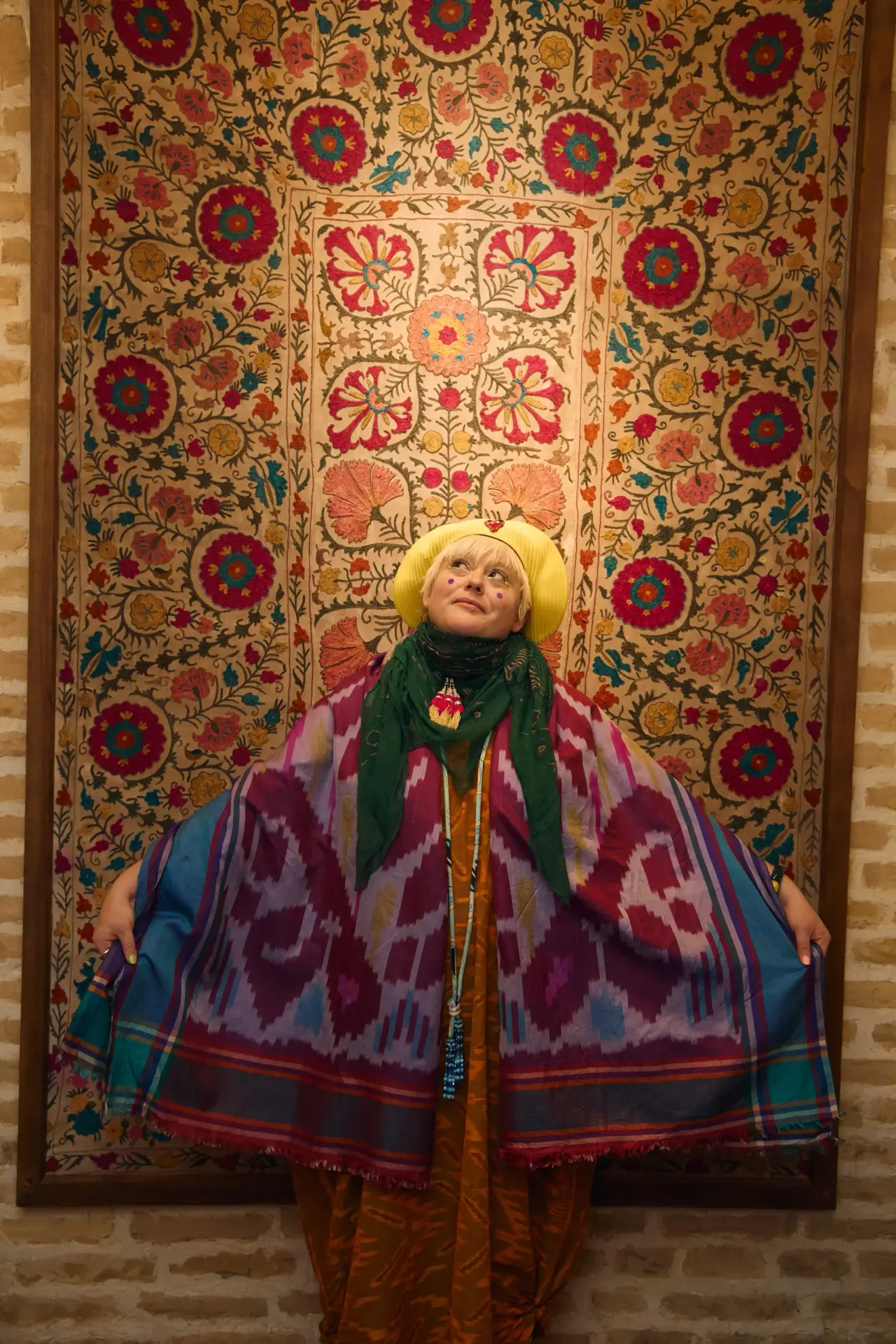
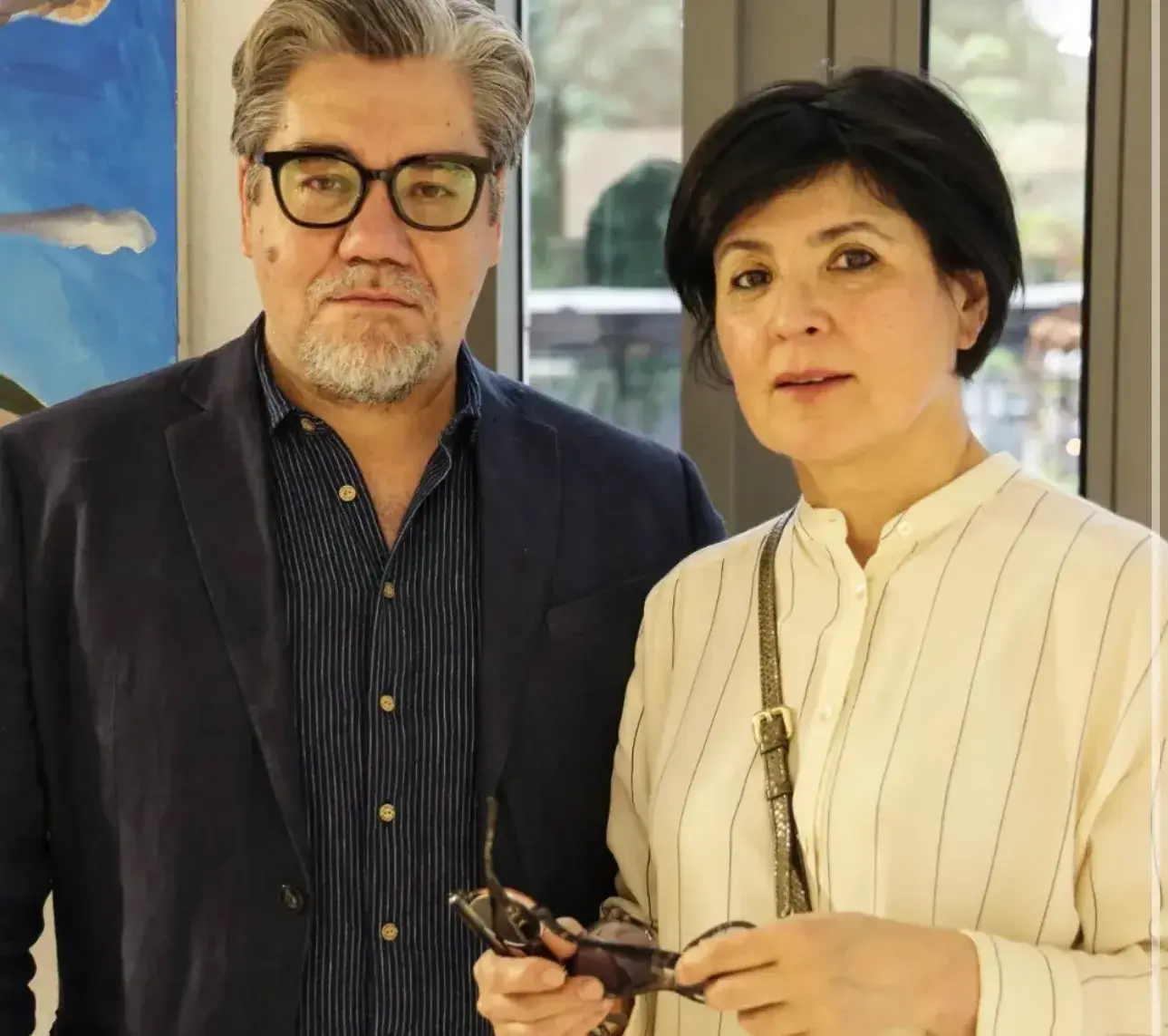
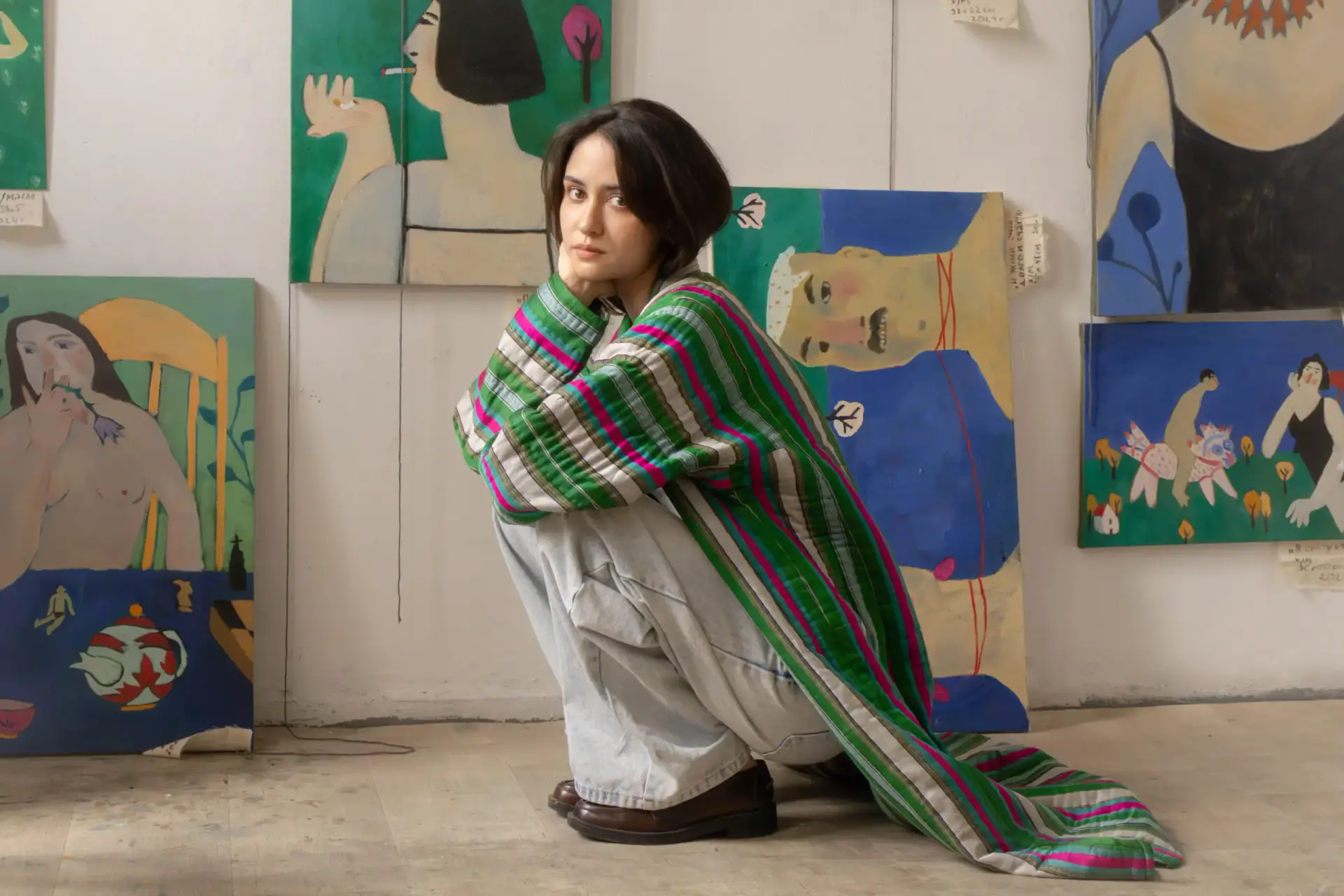
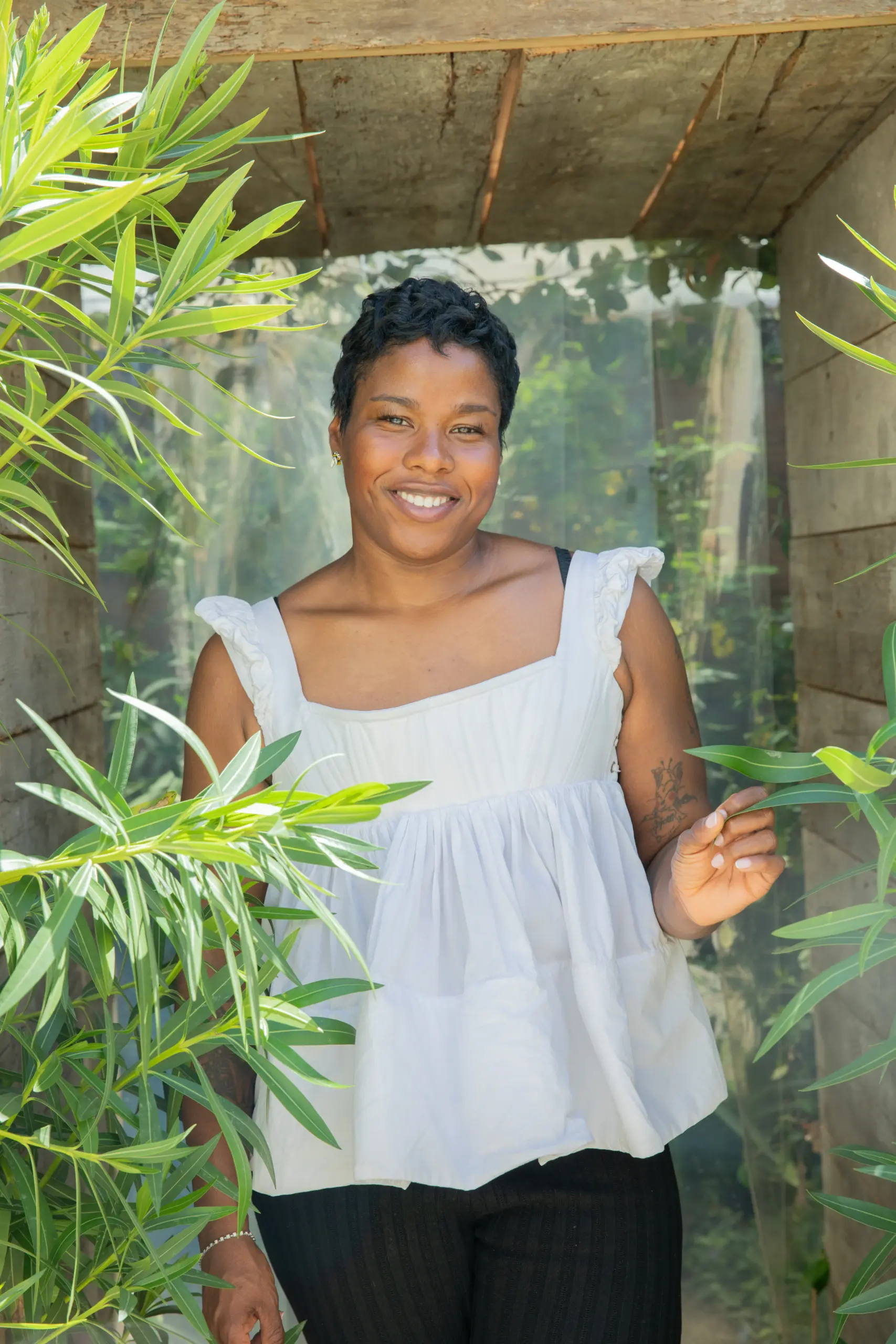
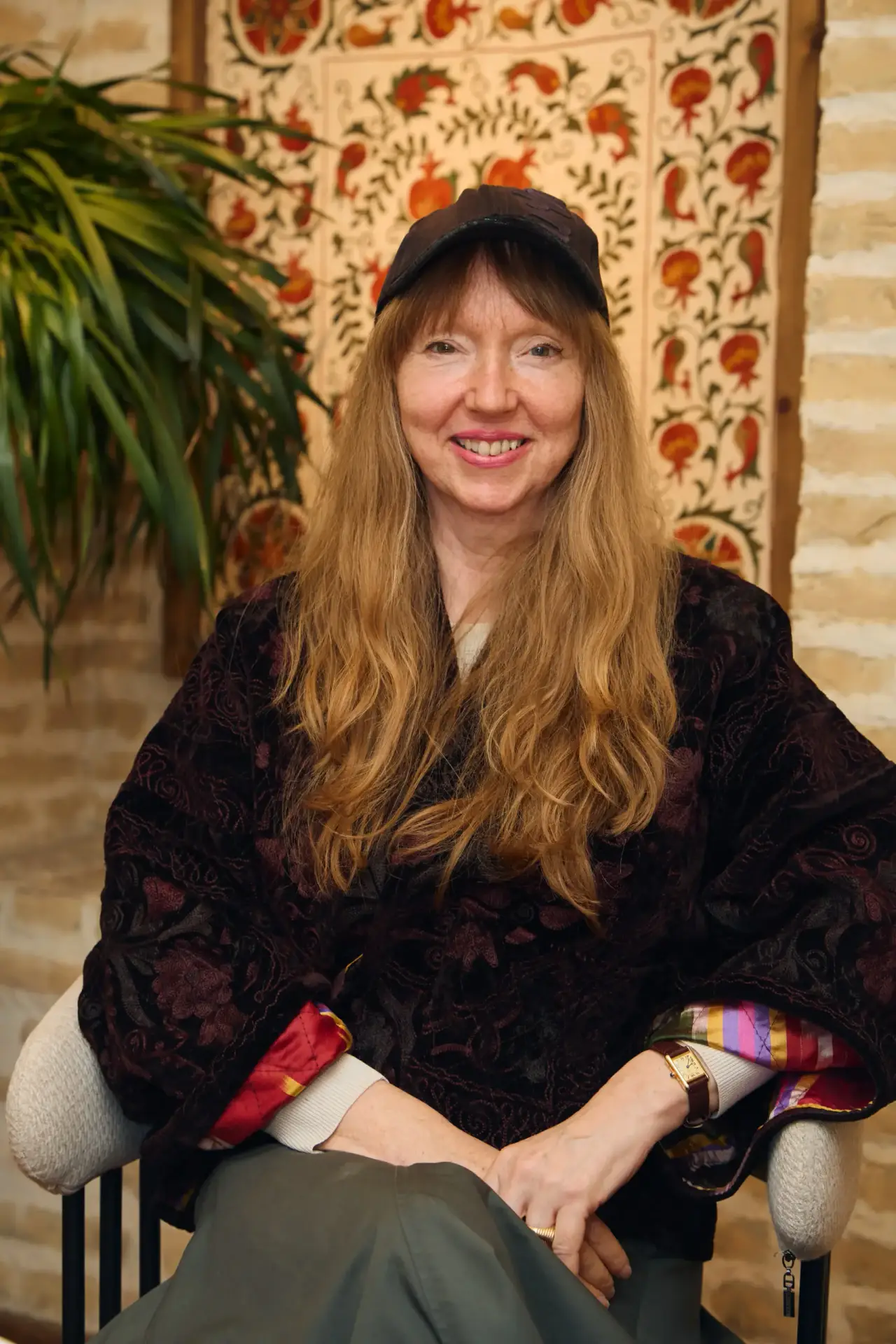
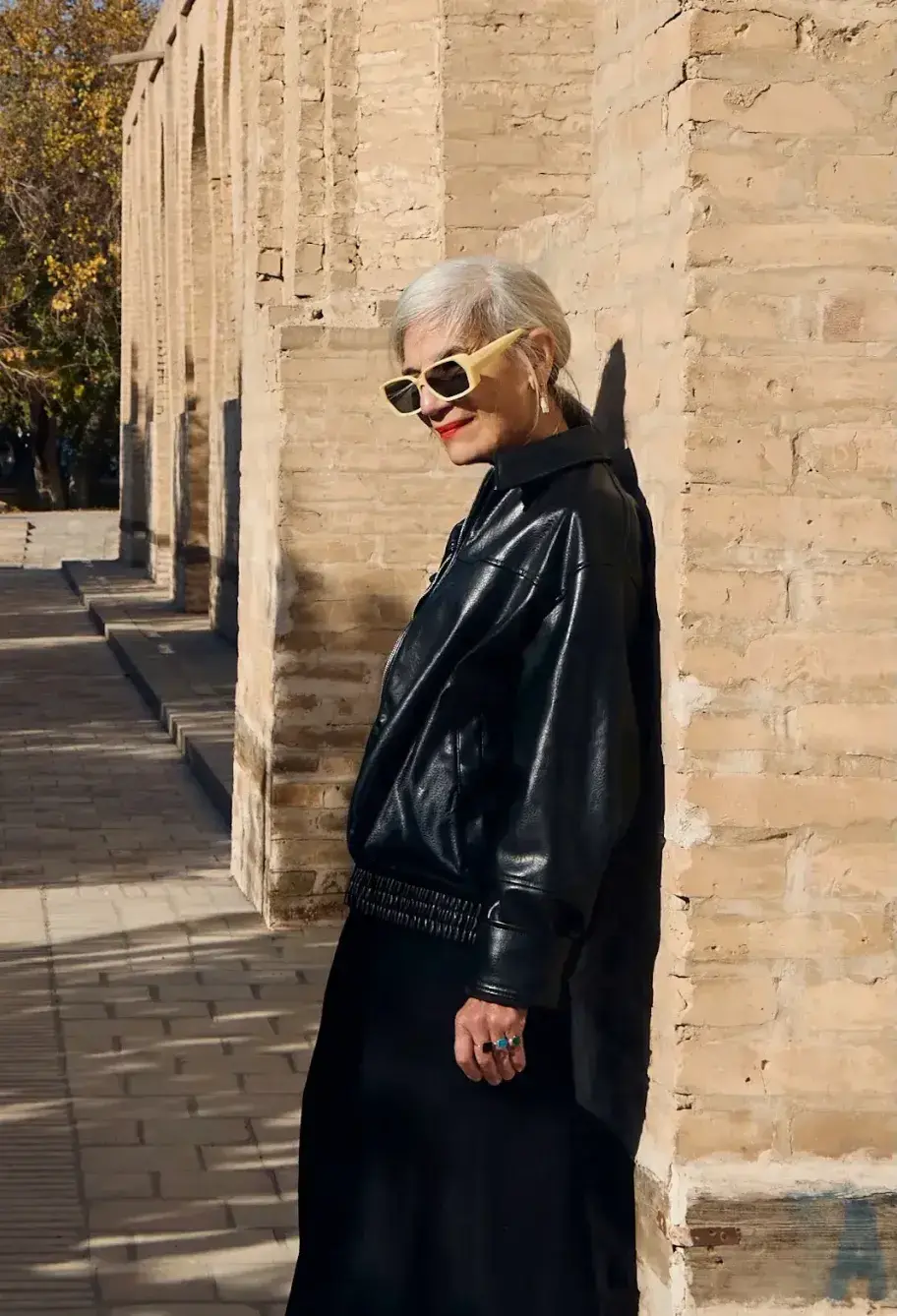
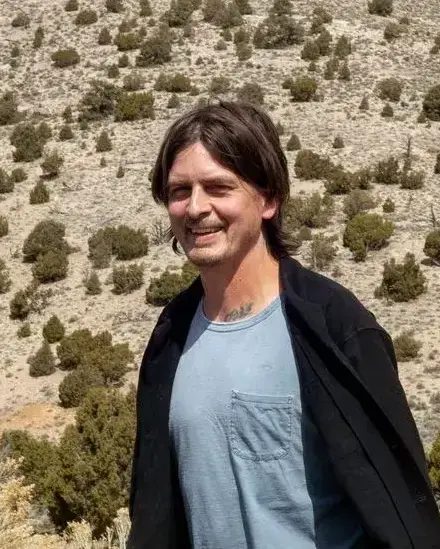
The first group of participating artists brings together Anish Kapoor (India/UK), Koo Jeong A (South Korea), Sevara Haydarova Donazzan (Uzbekistan), Susan Philipsz (UK/Germany), Nigina Mirzadzhanova (Uzbekistan), Precious Okoyomon (Nigeria/USA), Ugo Rondinone (Switzerland), Vivian Suter (Argentina/Switzerland/Guatemala), Joseph Arzoumanov (France/Armenia), Oscar Tuazon (USA), Maksim Vardanyan and Daima Rakhmanbekova (Uzbekistan), Huma Bhabha (Pakistan/USA), and Bethan Laura Wood (UK).


Four Pillars of the Biennial
The programme is structured around four interconnected pillars: Local Hospitality, Co-Creation, Resilience and Biodiversity, and Living Heritage. Together, they frame the biennial as both an exhibition and a longer-term cultural project rooted in Bukhara.
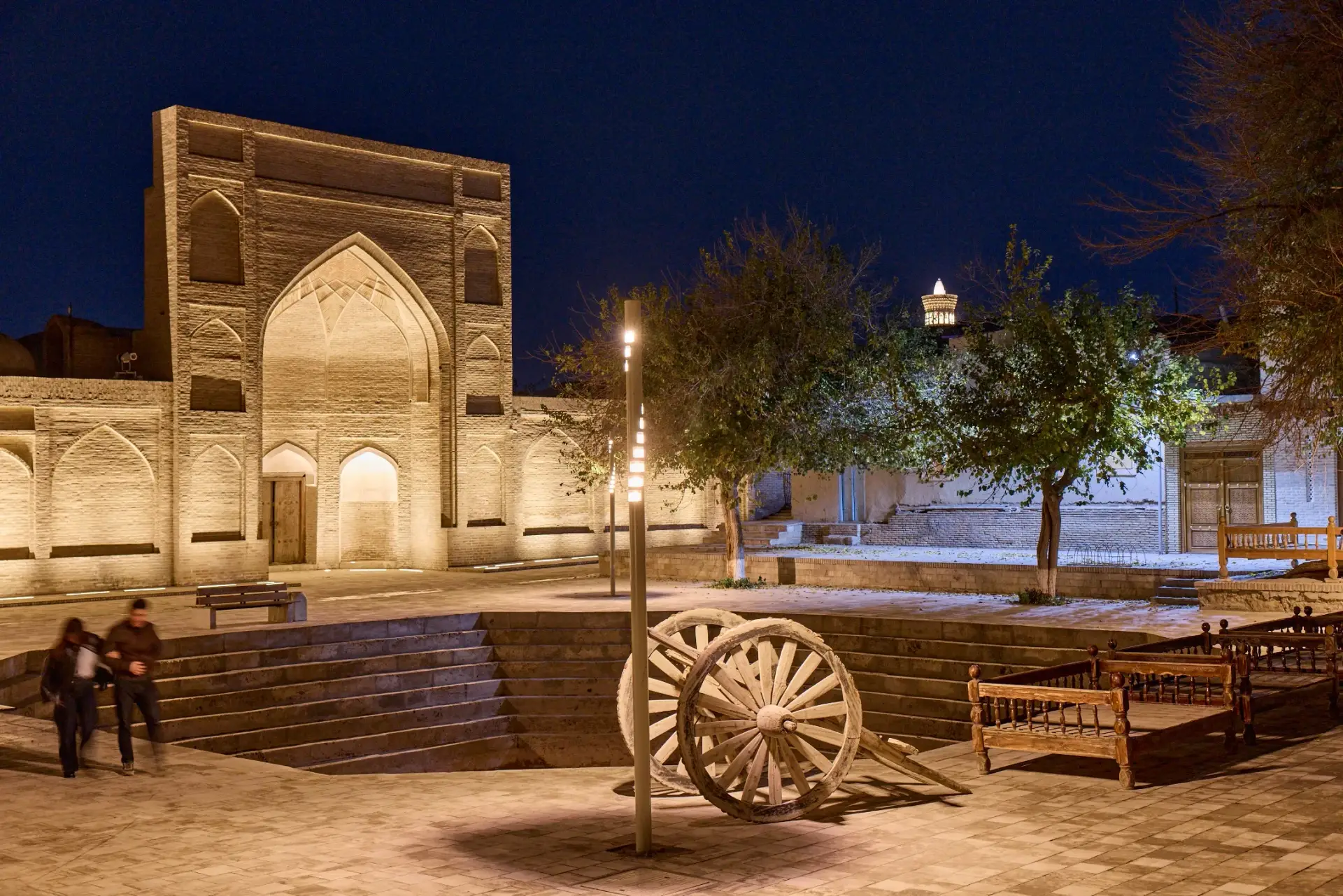
Local Hospitality places encounters with residents and their knowledge at the heart of the artistic process. Projects are intended to emerge from the city’s social and cultural life, with some commissions becoming part of everyday public space beyond the duration of the biennial.
Co-Creation brings participating artists into collaboration with Uzbek master craftspeople and local communities. The approach also extends to the Chanakya School of Craft in India, as well as ecologists, economists, historians, teachers, musicians and children. The emphasis is on shared knowledge and making, rather than on the artist working in isolation.
Resilience and Biodiversity connects artistic commissions to the region’s environmental conditions. Landscape-based projects will be informed by ecological research and address questions including water scarcity and air quality, placing the relationship between cultural production and environmental responsibility in focus.
Living Heritage considers how traditional skills, music and cultural knowledge can be carried between generations. Restored madrasas and mosques will be returned to public use, creating settings in which historic architecture and living cultural practices can meet contemporary artistic work.
Beyond the Exhibition Space
The biennial’s reach will extend beyond its exhibition venues into Bukhara’s streets, gardens and public spaces. Artist-designed gardens, fountains, benches and streetlights form part of a wider programme to shape the city’s public realm, while restored historic buildings will provide settings for exhibitions and commissions.
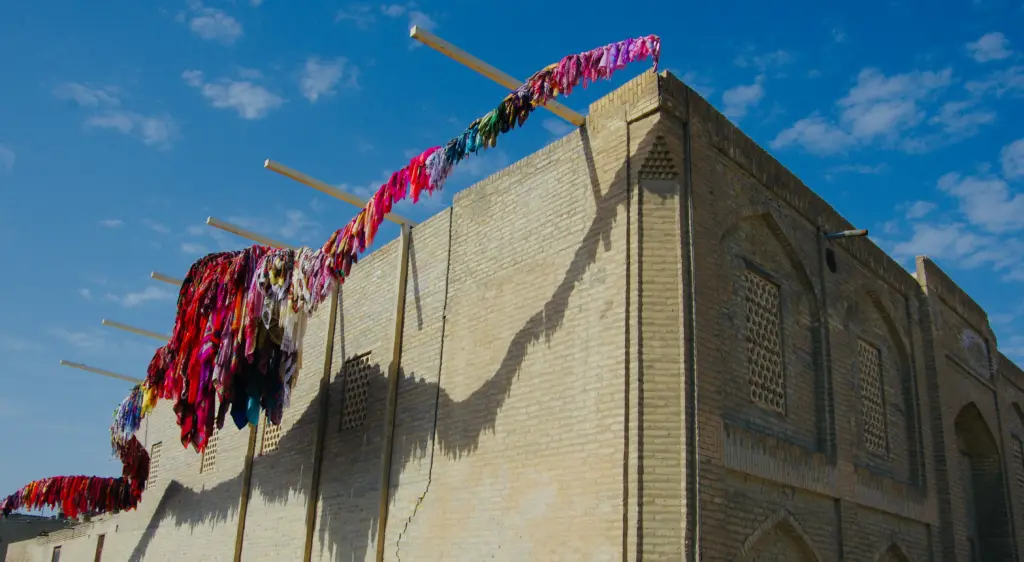
The expanded footprint builds on the inaugural Bukhara Biennial, which welcomed 1.8 million visitors in 2025. The 2027 programme will also include the Bukhara Biennial Curatorial School and an extensive public programme. Admission to the biennial will be free.
In 2027, Bukhara will also host the 19th Annual Conference of the UNESCO Creative Cities Network, placing the biennial within a wider international conversation about culture, creativity and urban development.
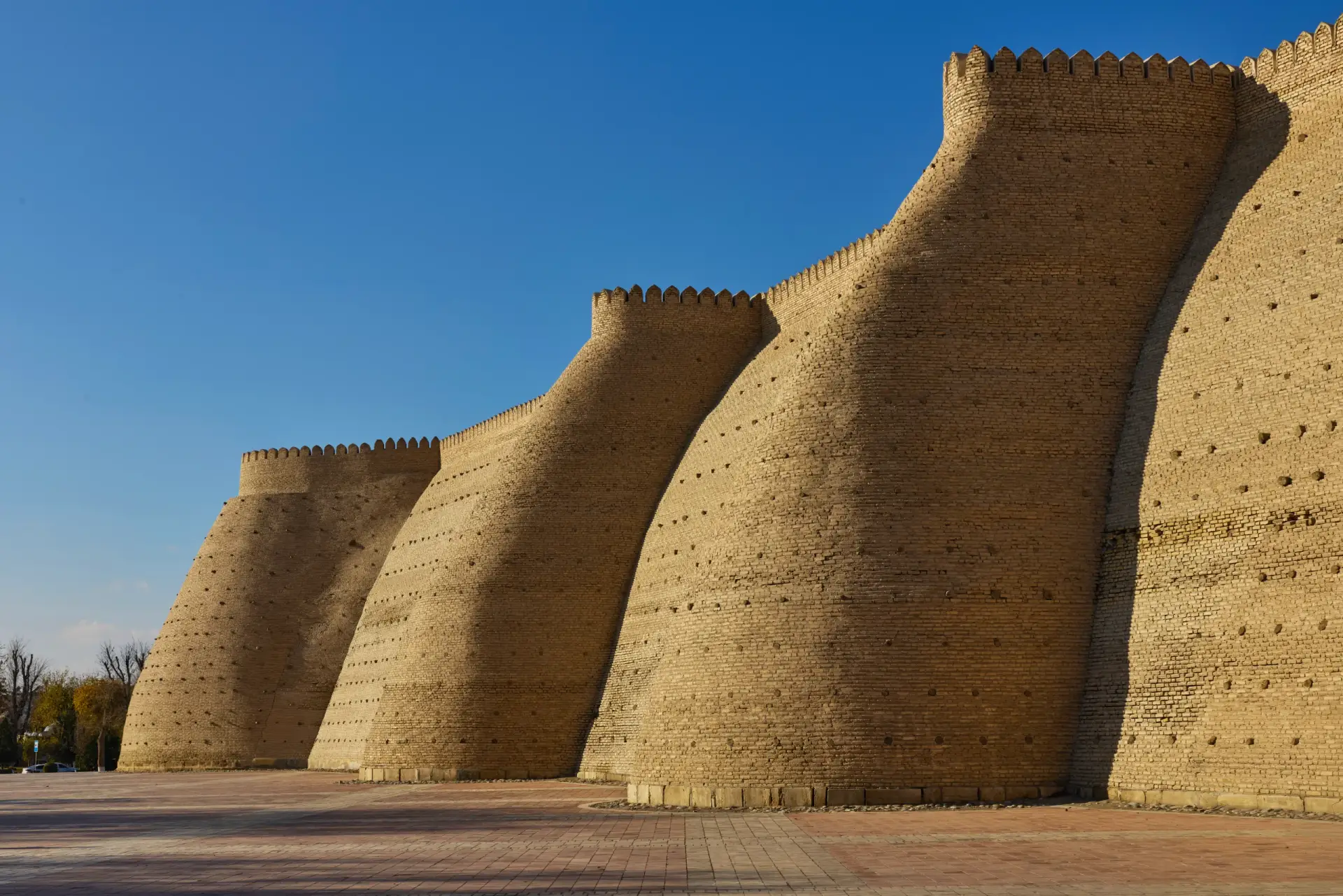
Kulapat Yantrasast — Artistic Director
Kulapat Yantrasast is the founder and creative director of WHY Architecture, the Los Angeles-based practice he established in 2004. Born and raised in Bangkok, he studied architecture at the University of Tokyo, where he received his master’s degree and PhD, and worked with architect Tadao Ando before founding WHY. The practice works across architecture, art and cultural projects, including museums and institutions.
Its projects include the Michael C. Rockefeller Wing at The Metropolitan Museum of Art in New York, the Dib Contemporary Art Center in Bangkok, the ilmi Science Discovery & Innovation Center in Riyadh, the new Department of Byzantine and Eastern Christian Art at the Louvre, and the National Museum of India in New Delhi. Yantrasast is a recipient of Thailand’s Silpathorn Award and serves on the boards of the Pulitzer Arts Foundation and the Noguchi Museum.
In April 2026, Yantrasast curated When Apricots Blossom, an exhibition initiated by the Uzbekistan Art and Culture Development Foundation (ACDF) and commissioned by its Chairperson, Gayane Umerova, at Palazzo Citterio during Milan Design Week. Bringing together international designers and Uzbek artisans, the exhibition explored the cultural heritage and ecological landscape of the Aral Sea region and Karakalpakstan.
Gayane Umerova — Chairperson, Uzbekistan Art and Culture Development Foundation
Gayane Umerova is Chairperson of the Uzbekistan Art and Culture Development Foundation (ACDF) and Head of the Department of Creative Economy and Tourism of the Administration of the President of Uzbekistan. Her work focuses on the development of the country’s cultural infrastructure, international cultural partnerships and the visibility of Uzbek art and heritage.
She has led major initiatives including the development of the Centre for Contemporary Arts Tashkent and the new National Museum of Uzbekistan, designed by Tadao Ando, and commissioned the inaugural Bukhara Biennial in 2025. She also initiated the Aral Culture Summit and has served as Chairperson of the 25th session of the General Assembly of States Parties to the World Heritage Convention. In 2025, she received France’s Order of Arts and Letters and was named a Global Ambassador for the Los Angeles County Museum of Art (LACMA).
Uzbekistan Art and Culture Development Foundation (ACDF)
The Uzbekistan Art and Culture Development Foundation works to preserve and promote the country’s cultural heritage while supporting contemporary artistic practice and international cultural exchange. Its partnerships include collaborations with the Louvre, the British Museum, the Uffizi Galleries and the Palace Museum in Beijing.
In Uzbekistan, ACDF’s projects include the new National Museum of Uzbekistan, designed by Tadao Ando; the Jadids’ Legacy Museum in Bukhara, housed in a 19th-century residence being restored by architect Lina Ghotmeh; and Tashkent Modernism XX/XXI, alongside residency, research and curatorial programmes.
Internationally, ACDF has commissioned the Uzbekistan Pavilion at the Venice Biennale Arte and Architettura since 2021 — most recently The Aural Sea (2026) — as well as Uzbekistan’s participation in Expo 2025 Osaka. It has also overseen When Apricots Blossom at Milan Design Week 2026 and Instruments of the Mind at Palazzo Franchetti in Venice, and is partnering with London’s Science Museum to spotlight the scientific contributions of Islamic cultures.
Explore Related Articles
 Bukhara Biennial 2025:
Recipes for Broken Hearts
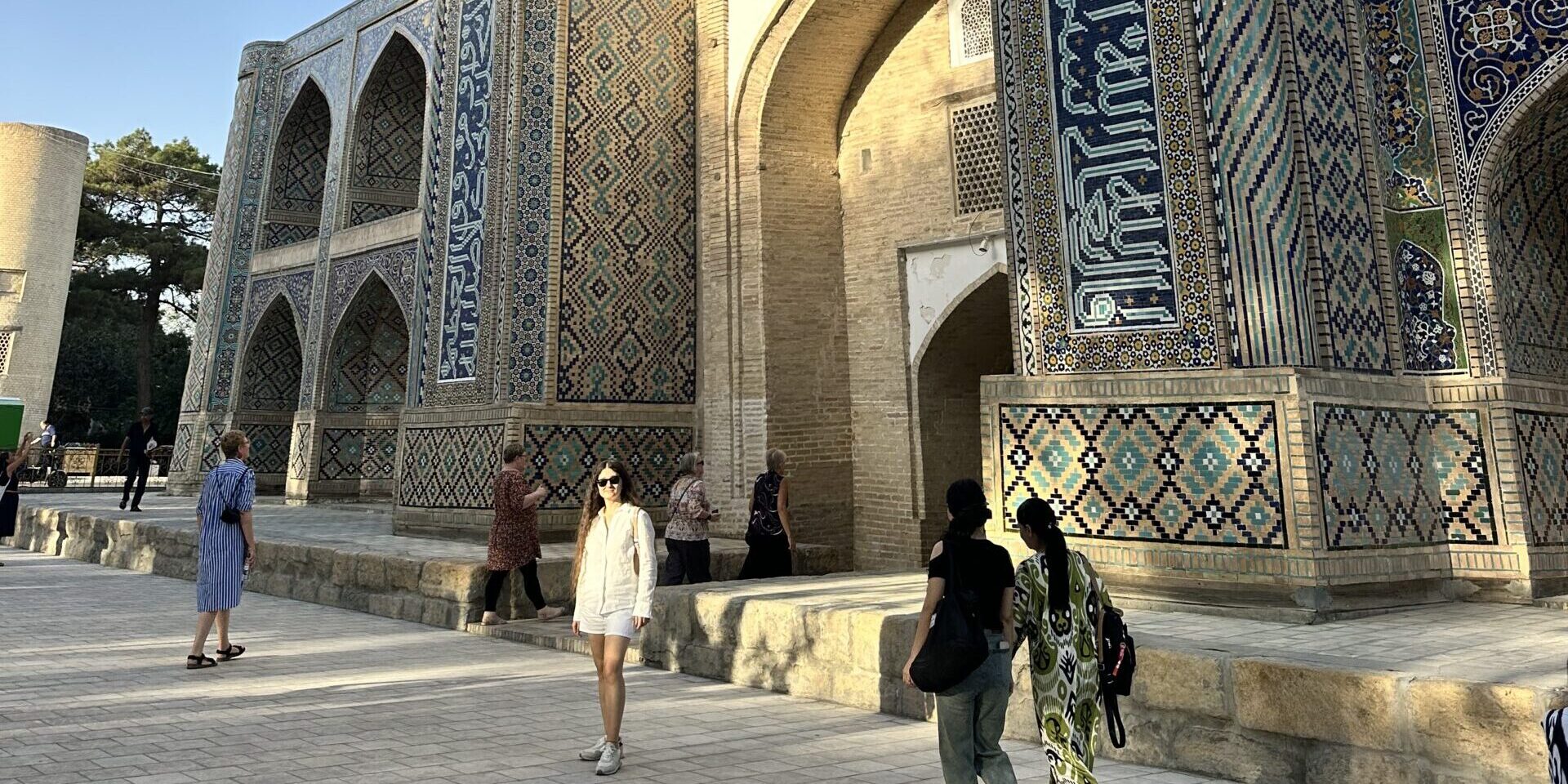 Bukhara Biennial 2026, Uzbekistan:
Through the Eyes of Melike Bayık
Cover Image: The Poi – Kalon Complex in Bukhara, Uzbekistan. Courtesy of the Uzbekistan Art and Culture Development Foundation.