


20 September – 23 November 2025
“Seeking Balance with “The Three-Legged Cat”: The Istanbul Biennial Returns in a New Format”
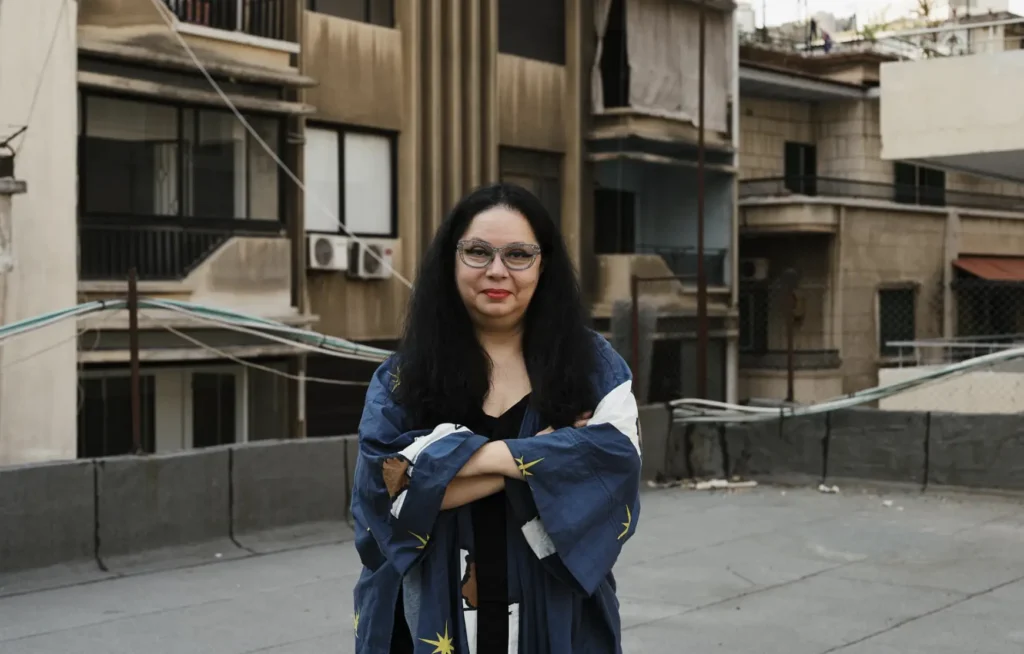
The 18th Istanbul Biennial, organized by the Istanbul Foundation for Culture and Arts (İKSV) and curated by Christine Tohmé, unfolds over three years, beginning with its first phase on September 20, 2025. The overarching theme focuses on self-preservation and future possibilities. This opening chapter presents an exhibition featuring works by nearly 50 artists, alongside a rich program of performances, screenings, and talks.
The second phase, taking place in 2026, will focus on establishing a permanent art academy and developing a series of public programs in collaboration with local initiatives. The biennial will conclude in 2027 with its third and final phase: an exhibition and workshop program that reflects and shares the experiences and productions accumulated over the three-year period.
In her curatorial statement, Christine Tohmé offers the following insight into the biennial’s extended format:
“Spanning from 2025 to 2027 and standing on three legs, the 18th Istanbul Biennial moves much like a cat—flexible over time and grounded in its rhythm, which is nourished by conversations, exercises, and the unending flow of information.”
The first chapter, set between September 20 and November 23, 2025, brings together more than 40 artists and includes a diverse program of performances, screenings, and discussions centered around the core themes.
Biennial Venues
The first chapter of the 18th Istanbul Biennial, titled The Three-Legged Cat, will be hosted across eight venues within walking distance from one another in the Beyoğlu–Karaköy area. The Istanbul Biennial, which redefines its relationship with the city through a different spatial layout each edition, once again adopts a site-responsive curatorial approach in line with Christine Tohmé’s conceptual framework.
The decision to use multiple nearby venues adds variety to the exhibition experience while ensuring an integrated and accessible biennial journey. Visitors can explore the venues on foot without needing complex navigation plans—pausing along the way to rest and reflect, encountering artworks as part of the city’s organic rhythm. Each stop along this urban route contributes to the biennial’s multilayered narrative by drawing from Istanbul’s historical and contemporary fabric.

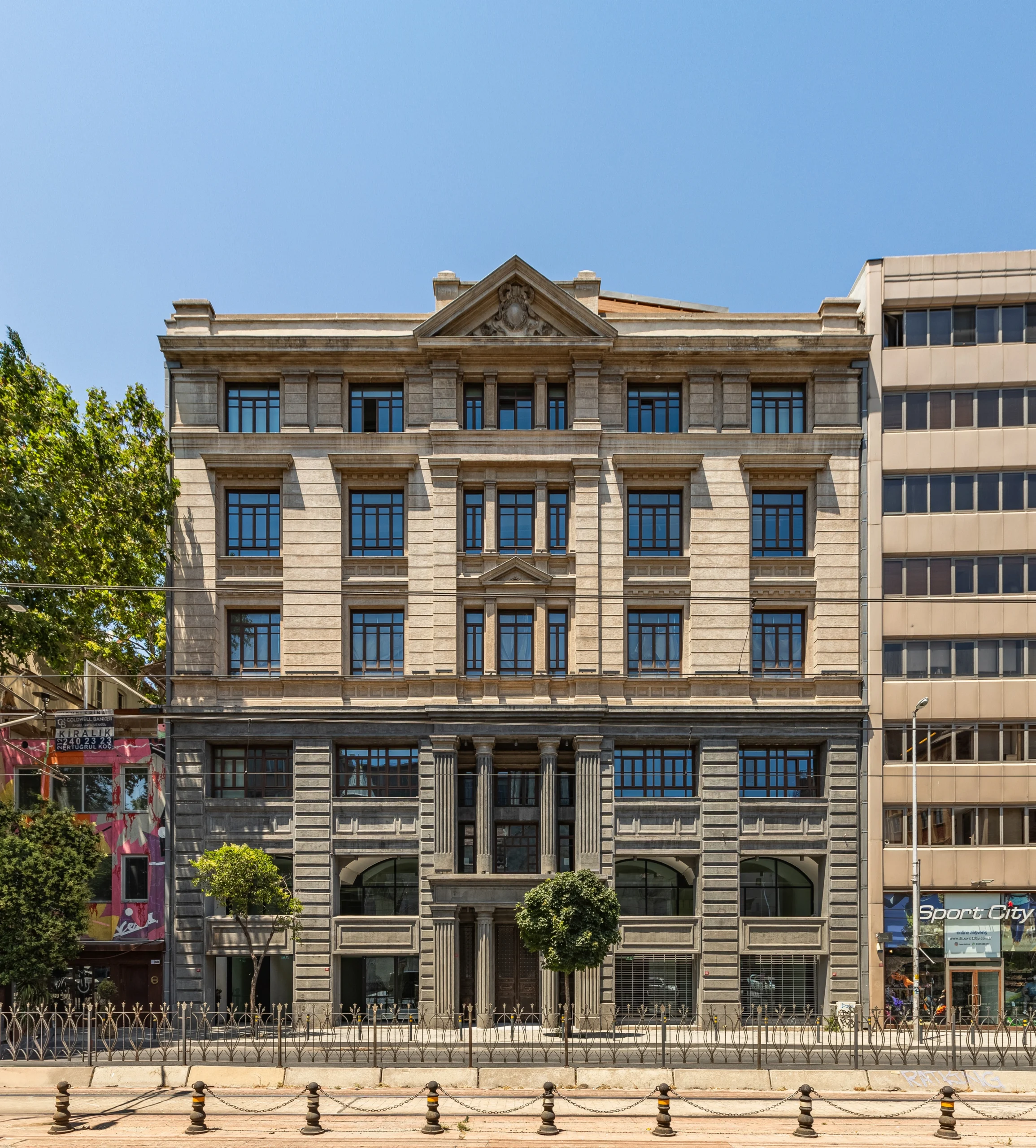
Galata Greek Primary School, built in 1885, officially served as an educational institution for the Greek community in Galata from 1910 to 1988. Repurposed as a cultural and arts venue in 2012, the school has hosted the Istanbul Design Biennial (2012, 2014, 2016), several editions of the Istanbul Biennial (2013, 2015, 2017), and various exhibitions. After undergoing an extensive restoration between 2019 and 2023, it is once again included among the biennial venues this year.
Artists: Nolan Oswald Dennis, İpek Duben, Ali Eyal, Simone Fattal, Lou Fauroux, Lungiswa Gqunta, Kongkee, Seta Manoukian, Merve Mepa, Naomi Rincón-Gallardo, Ana Vaz, Akram Zaatari, Ayman Zedani
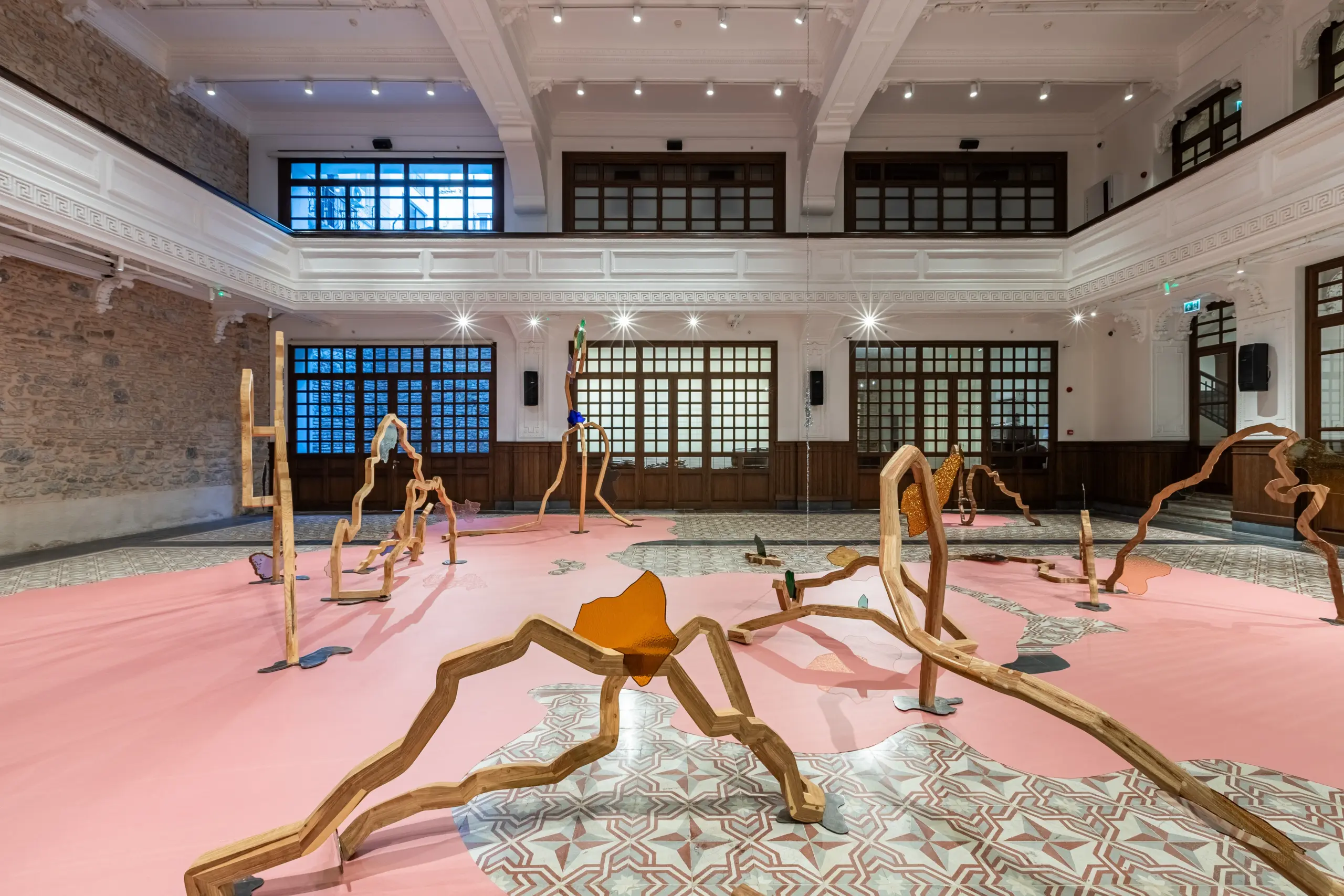
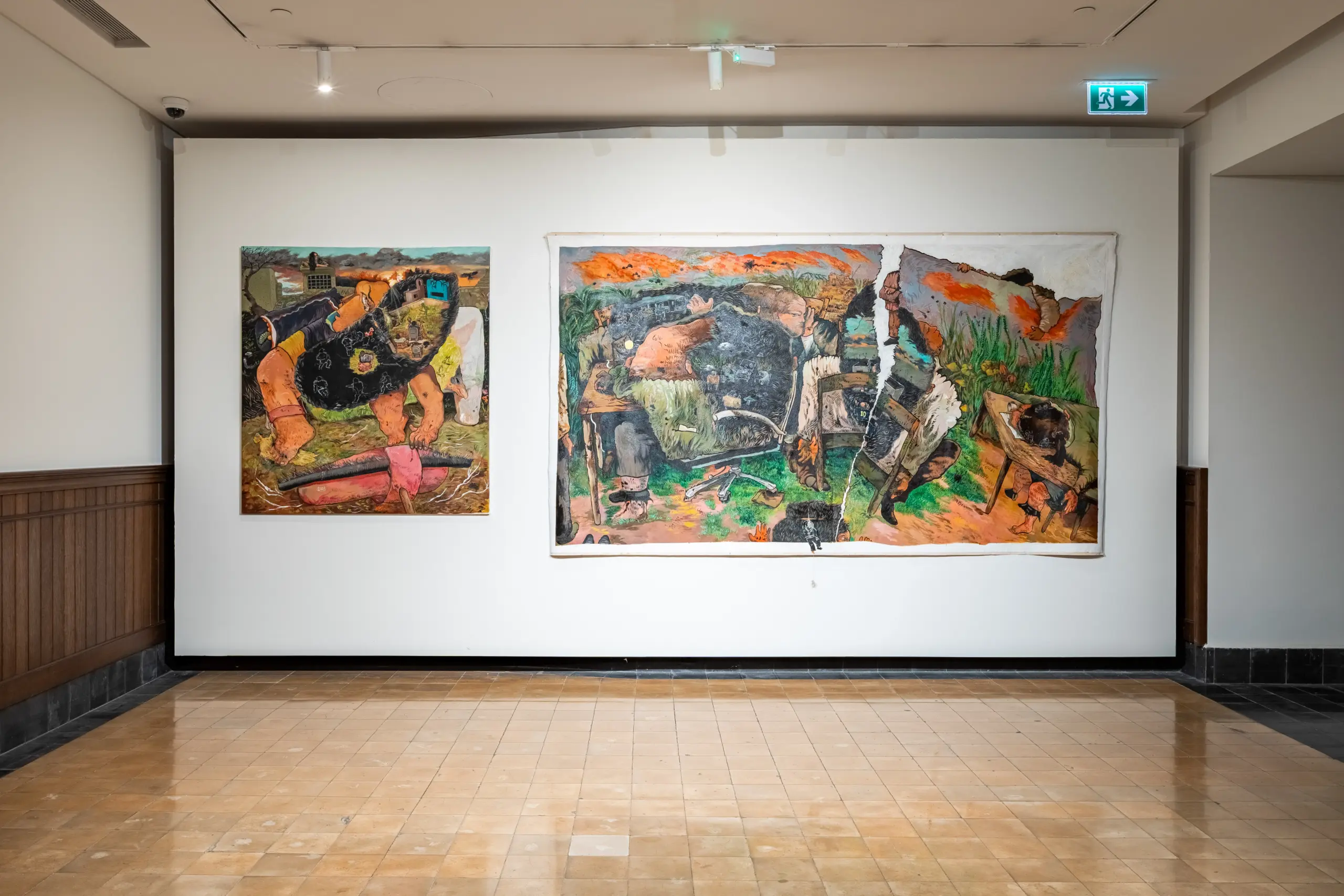
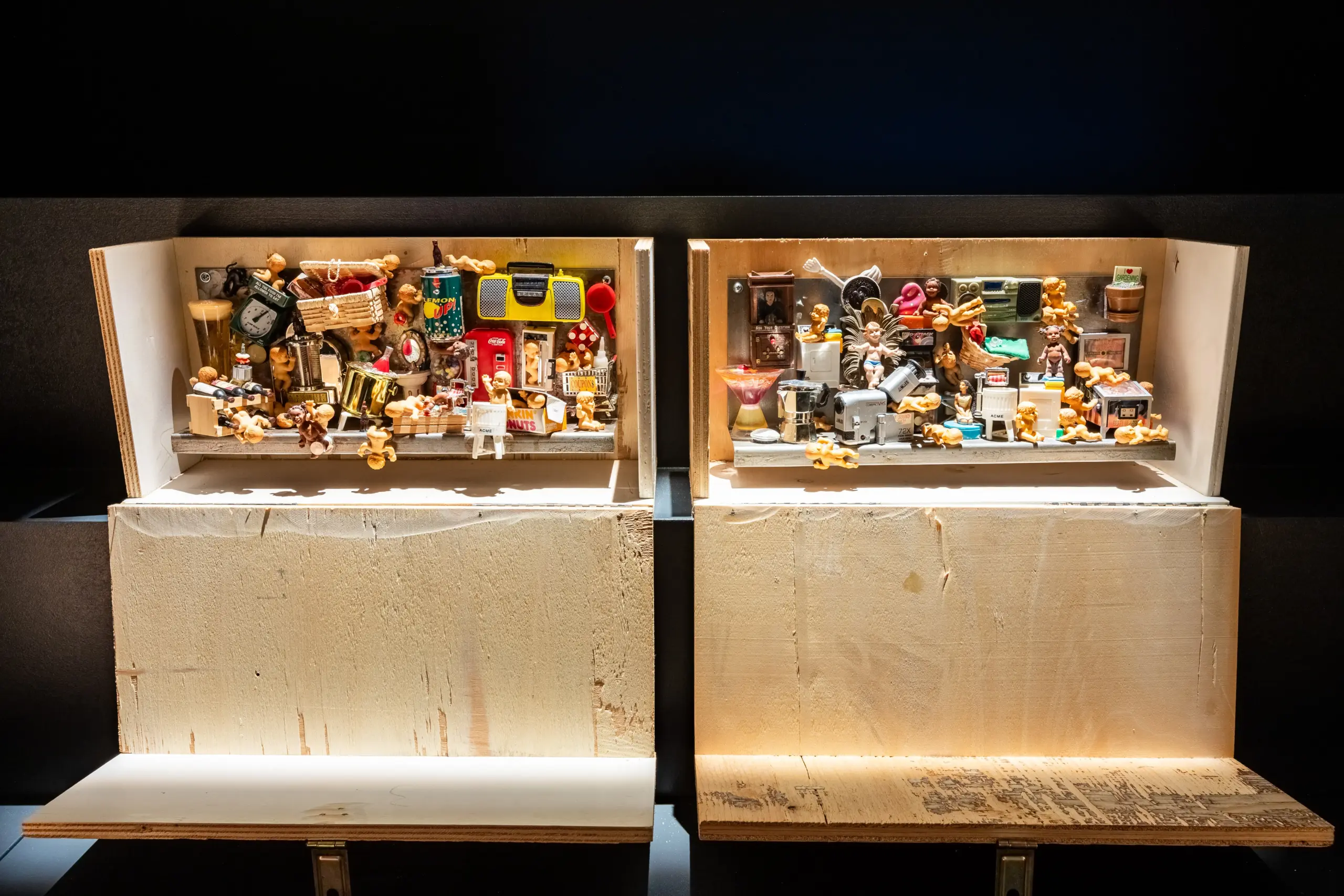
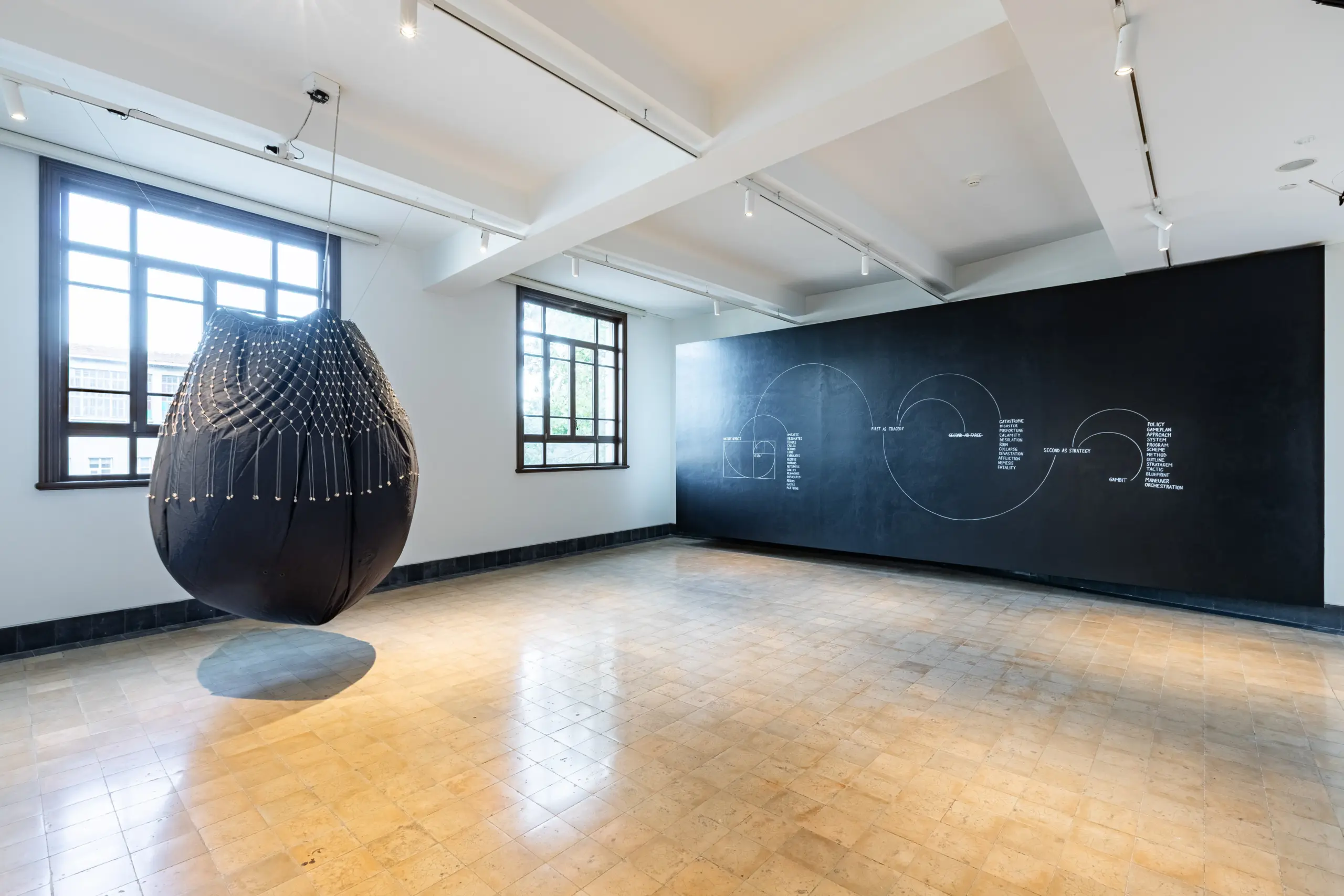
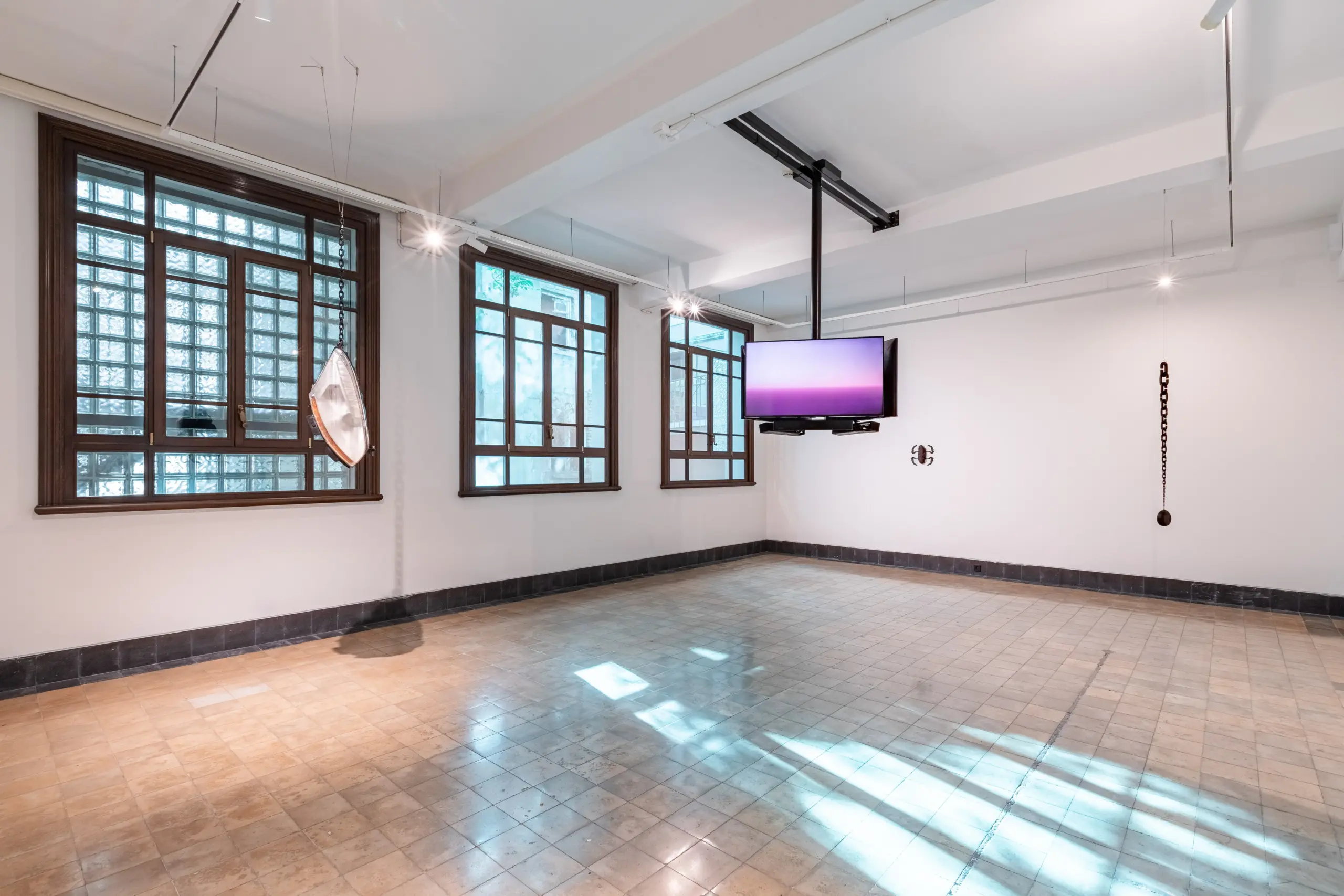
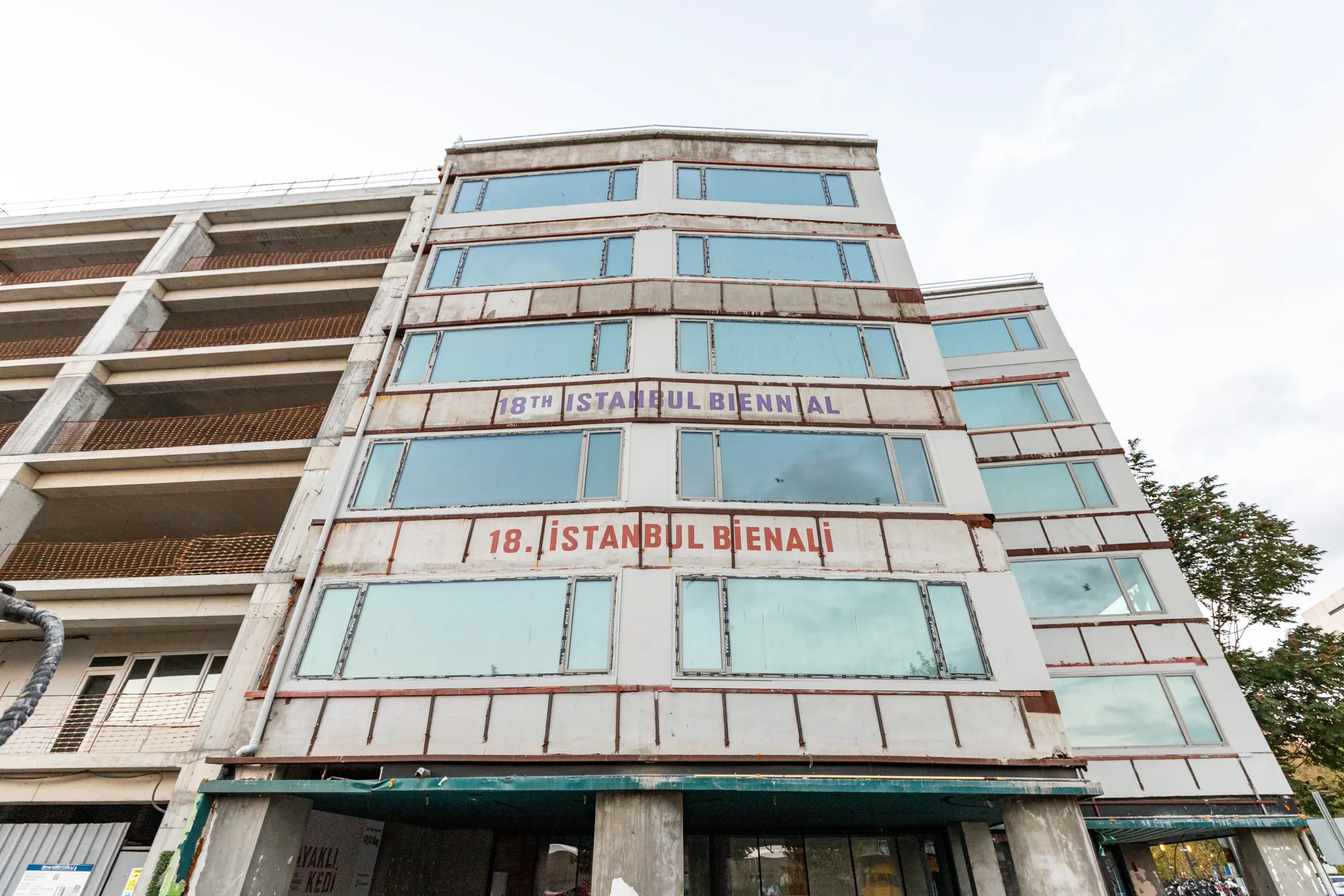
Zihni Han, located in Karaköy, is opening its doors to the public for the first time as part of the 18th Istanbul Biennial. Once situated at the heart of commerce in the port area connecting Istanbul to the Eastern Mediterranean, this five-story building has been renovated to serve as one of the biennial venues.
Artists: Abdullah Al Saadi, Willy Aractingi, Karimah Ashadu, Chen Ching-Yuan, Ian Davis, Celina Eceiza, Pélagie Gbaguidi, Rafik Greiss, Jasleen Kaur, Valentin Noujaïm, Marwan Rechmaoui, Stéphanie Saadé, Sara Sadik, Sohail Salem, Elif Saydam, Selma Selman
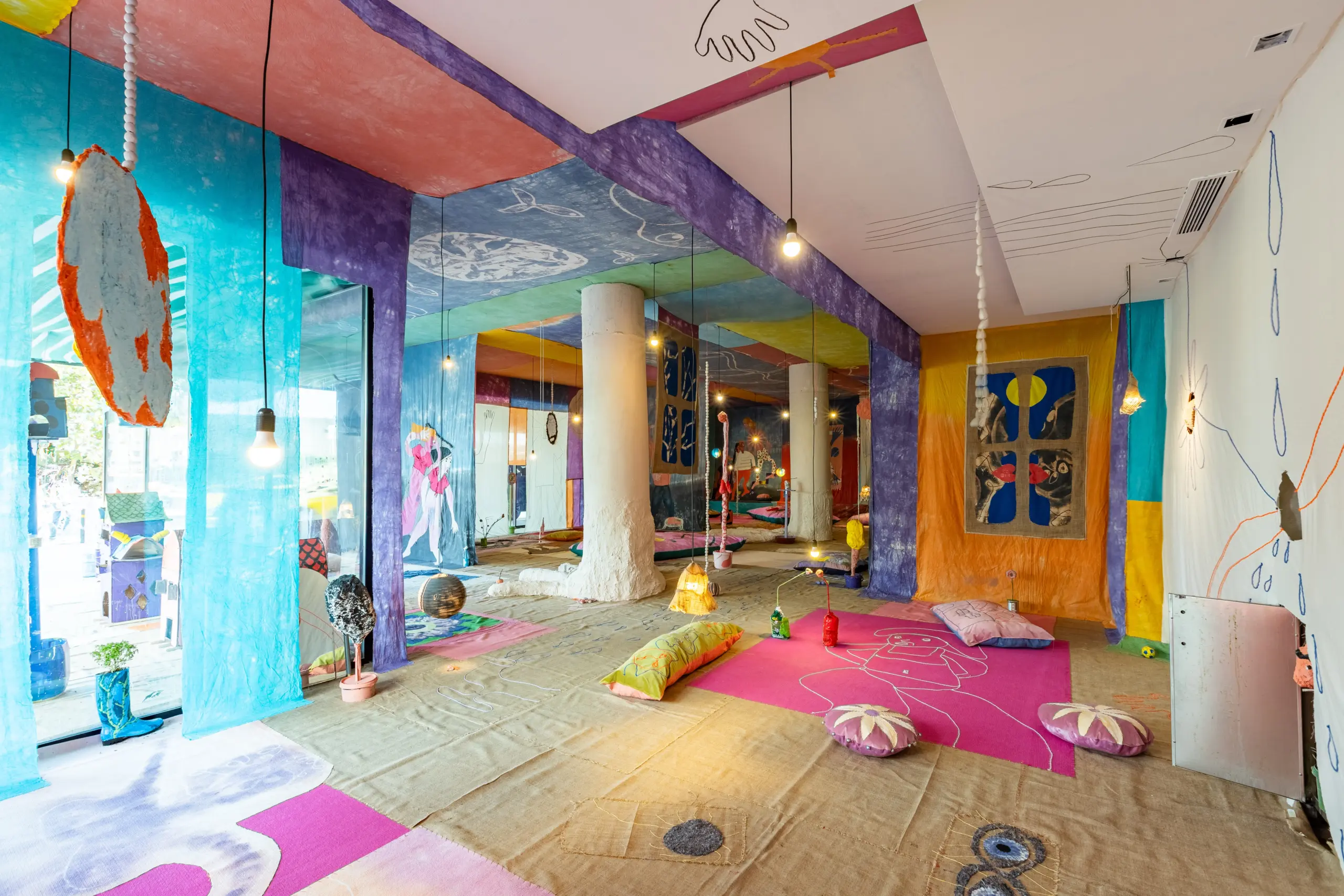
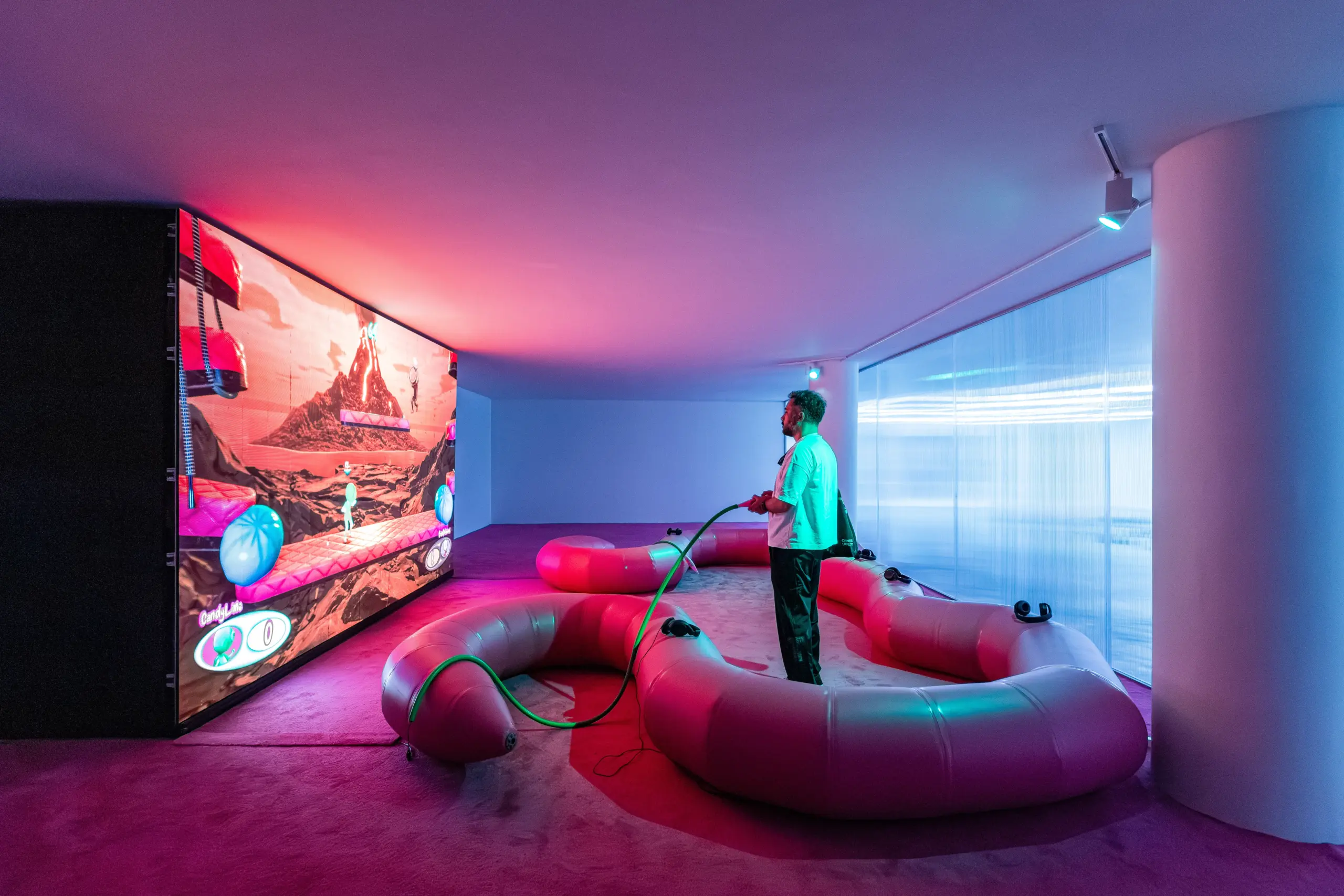
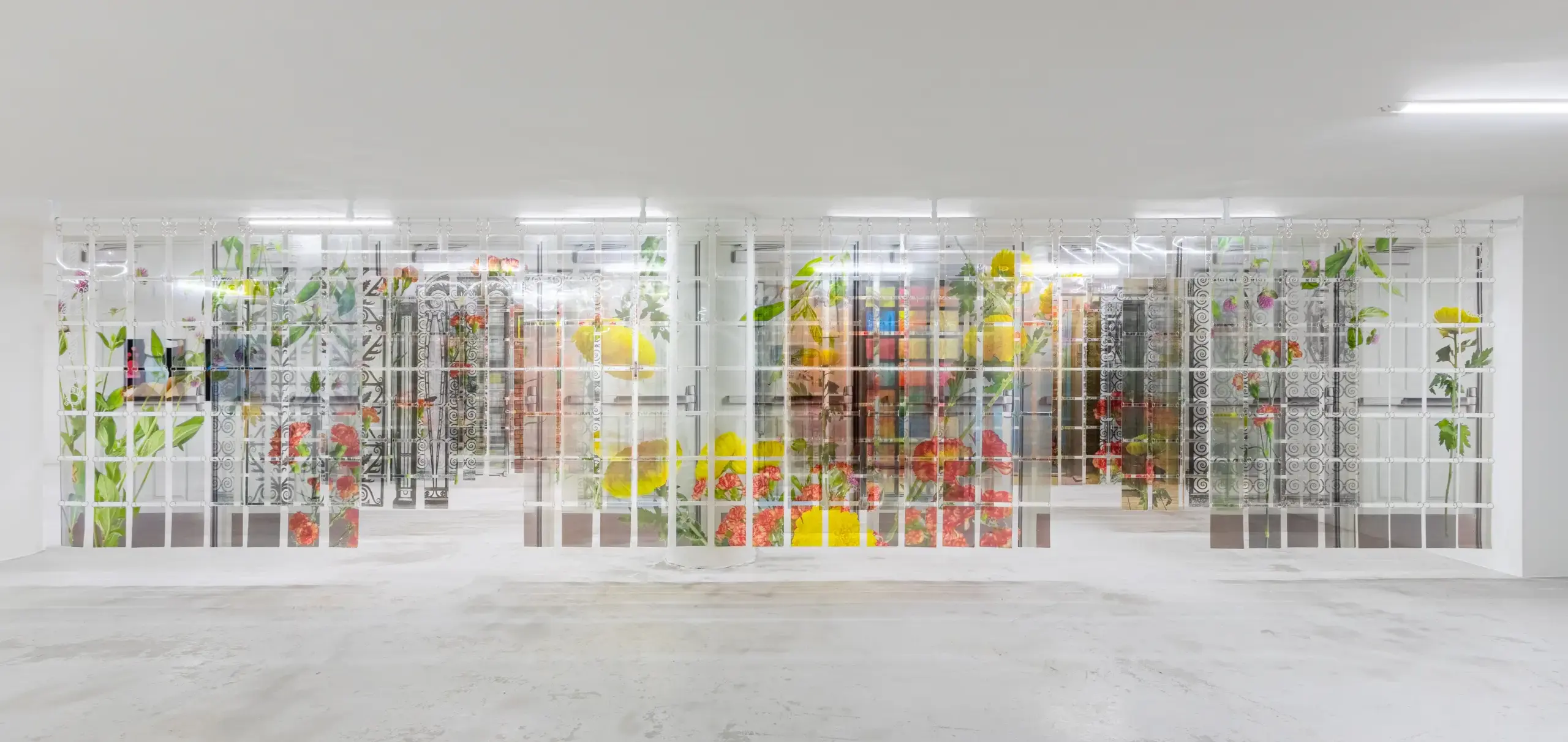
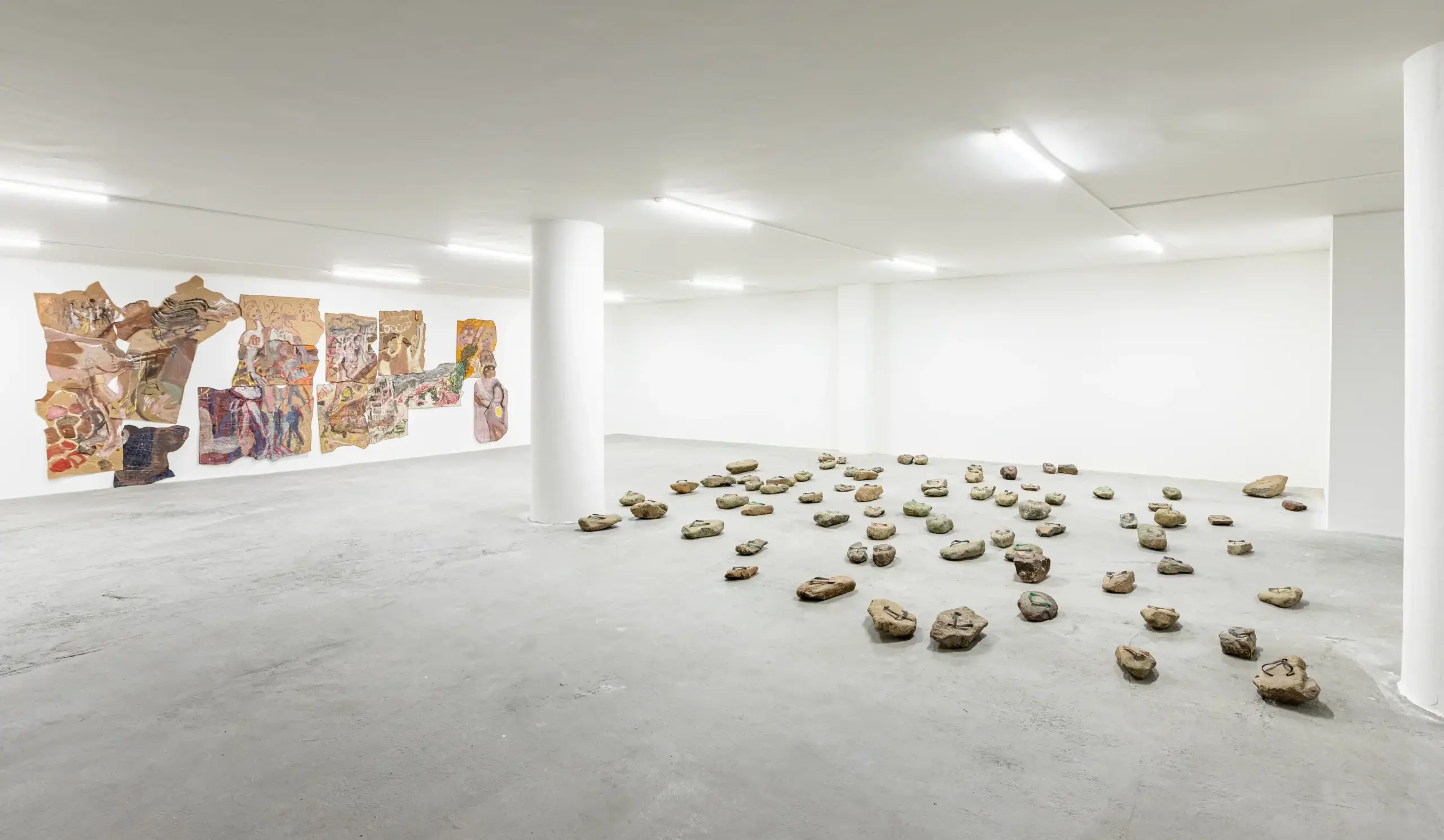
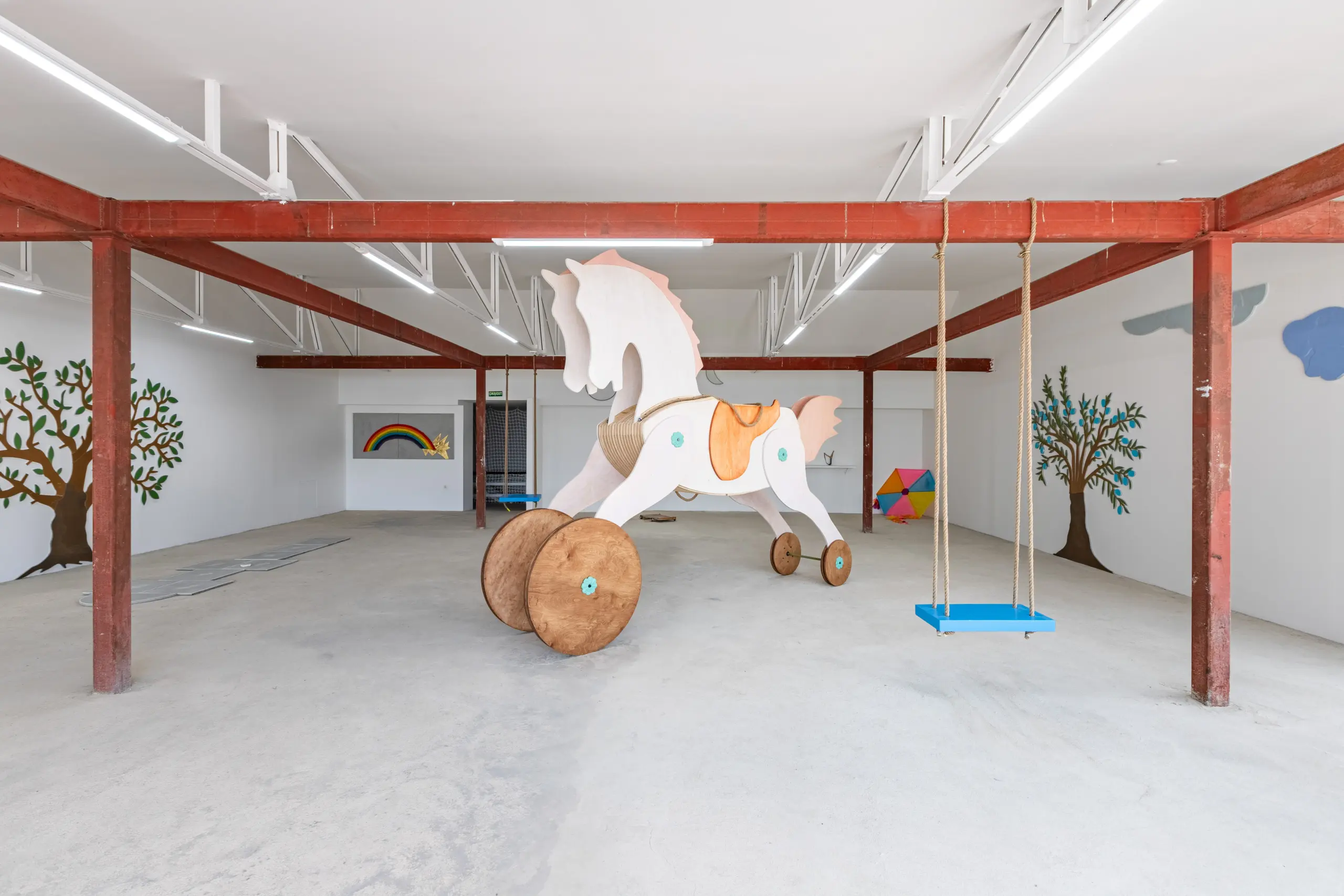
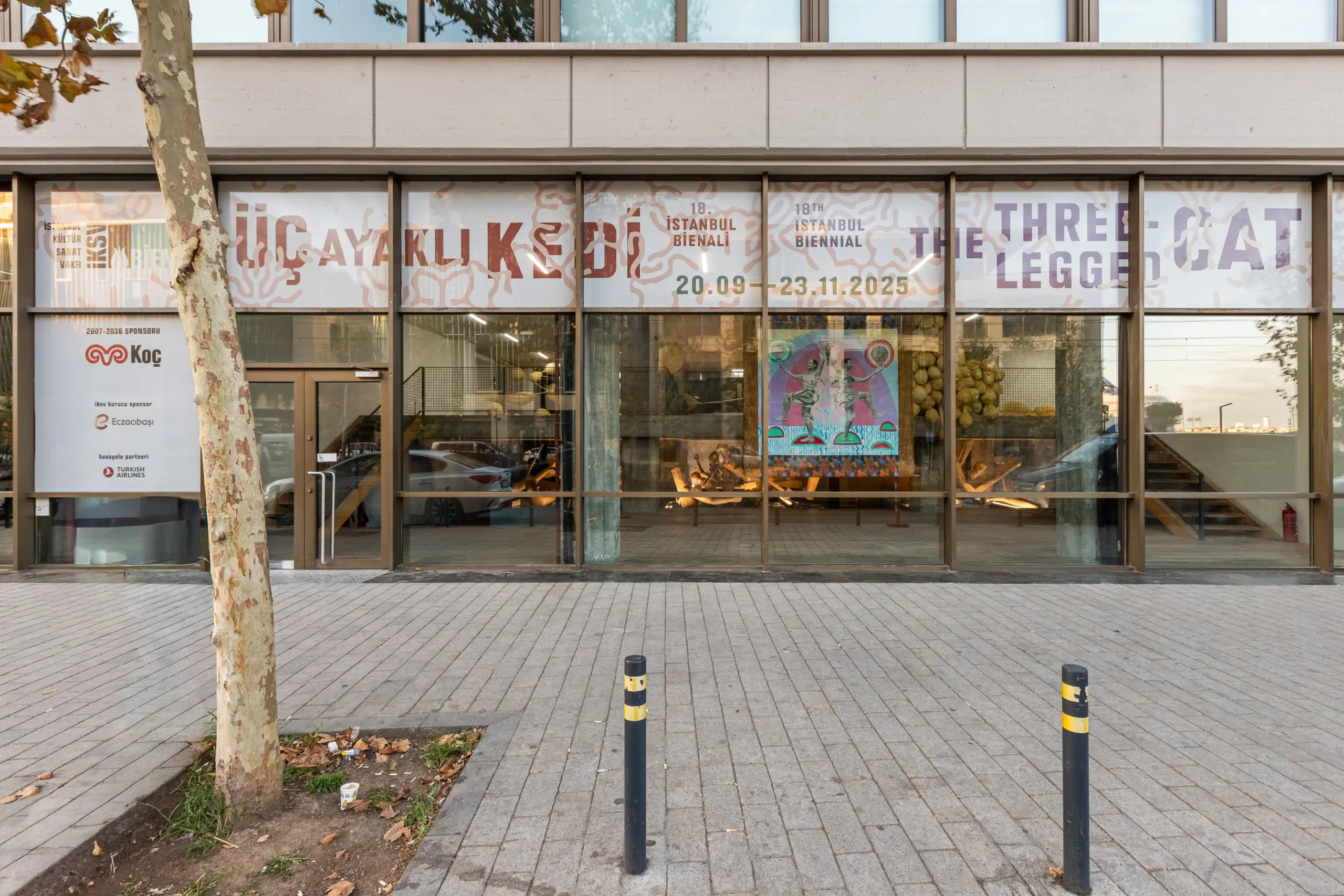
Meclis-i Mebusan 35, a building located on Meclis-i Mebusan Street and constructed in 1983, is using its ground floor as a biennial venue this year. Between 2013 and 2019, the building hosted the Istanbul branch of Studio-X, a global network of urban labs dedicated to designing the future of cities. Included among the venues of the Istanbul Design Biennial in 2016 and 2018, the building is being reactivated once again as part of the biennial.
Artists: Eva Fàbregas, Pilar Quinteros, VASKOS (Vassilis Noulas & Kostas Tzimoulis)
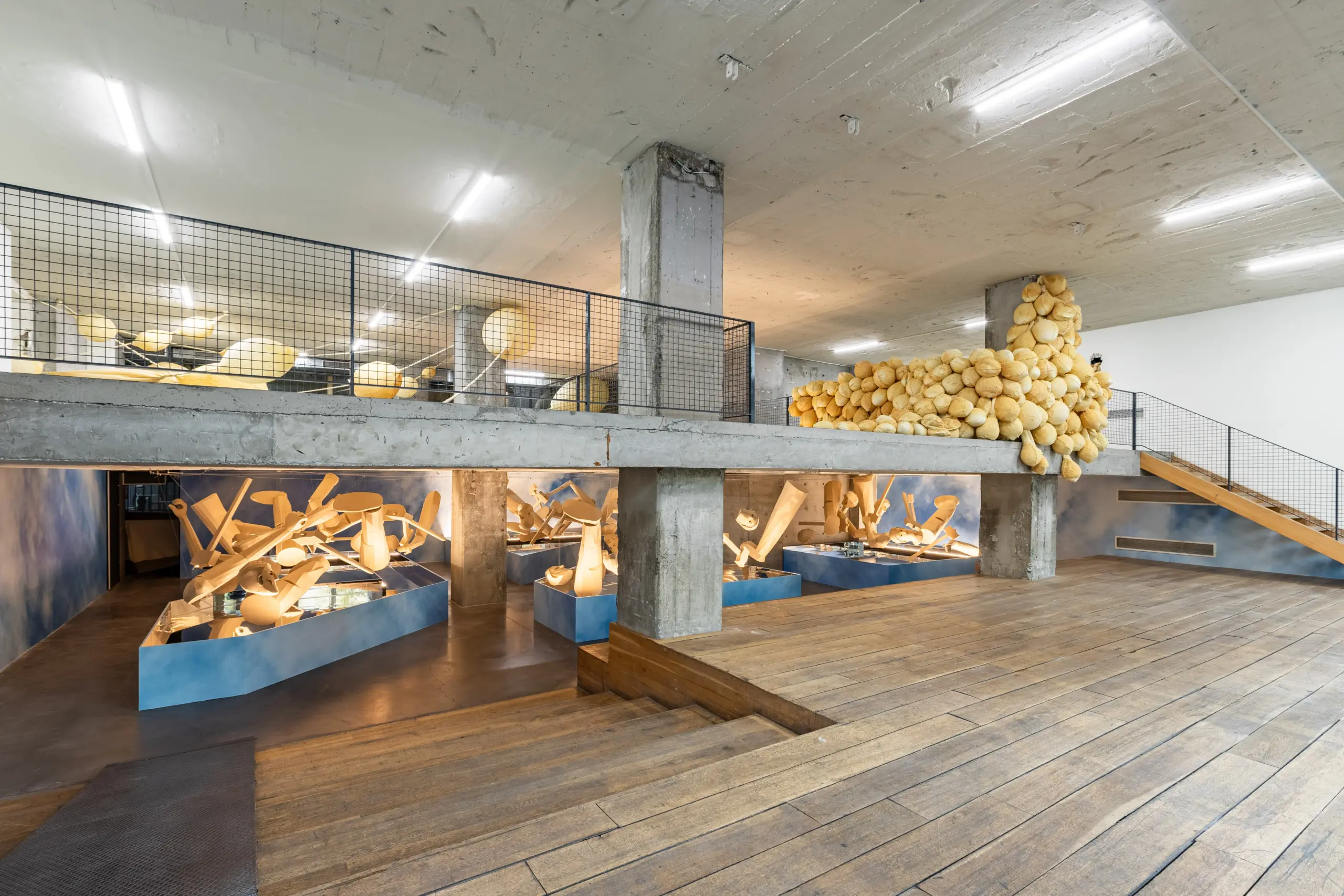
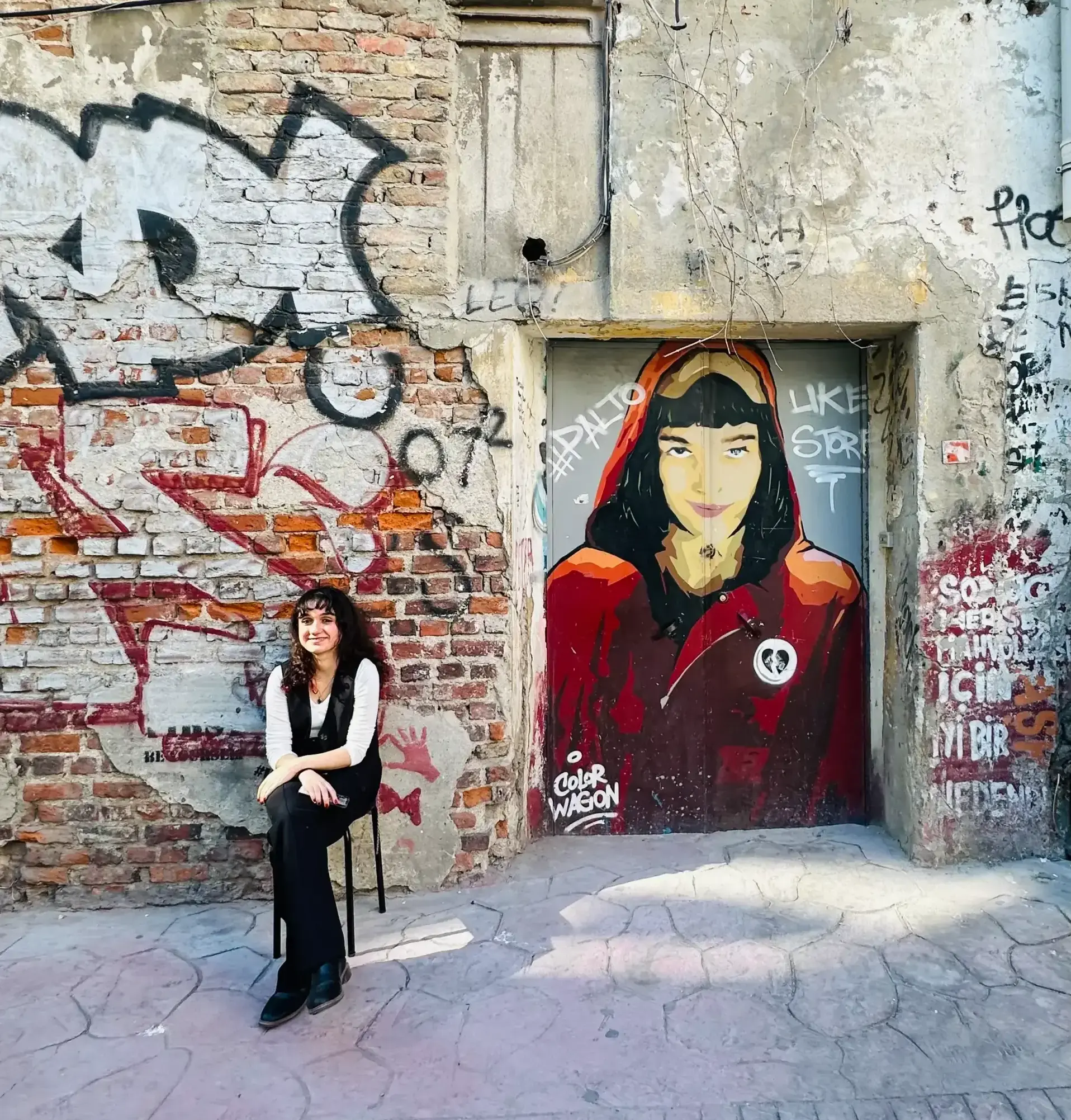
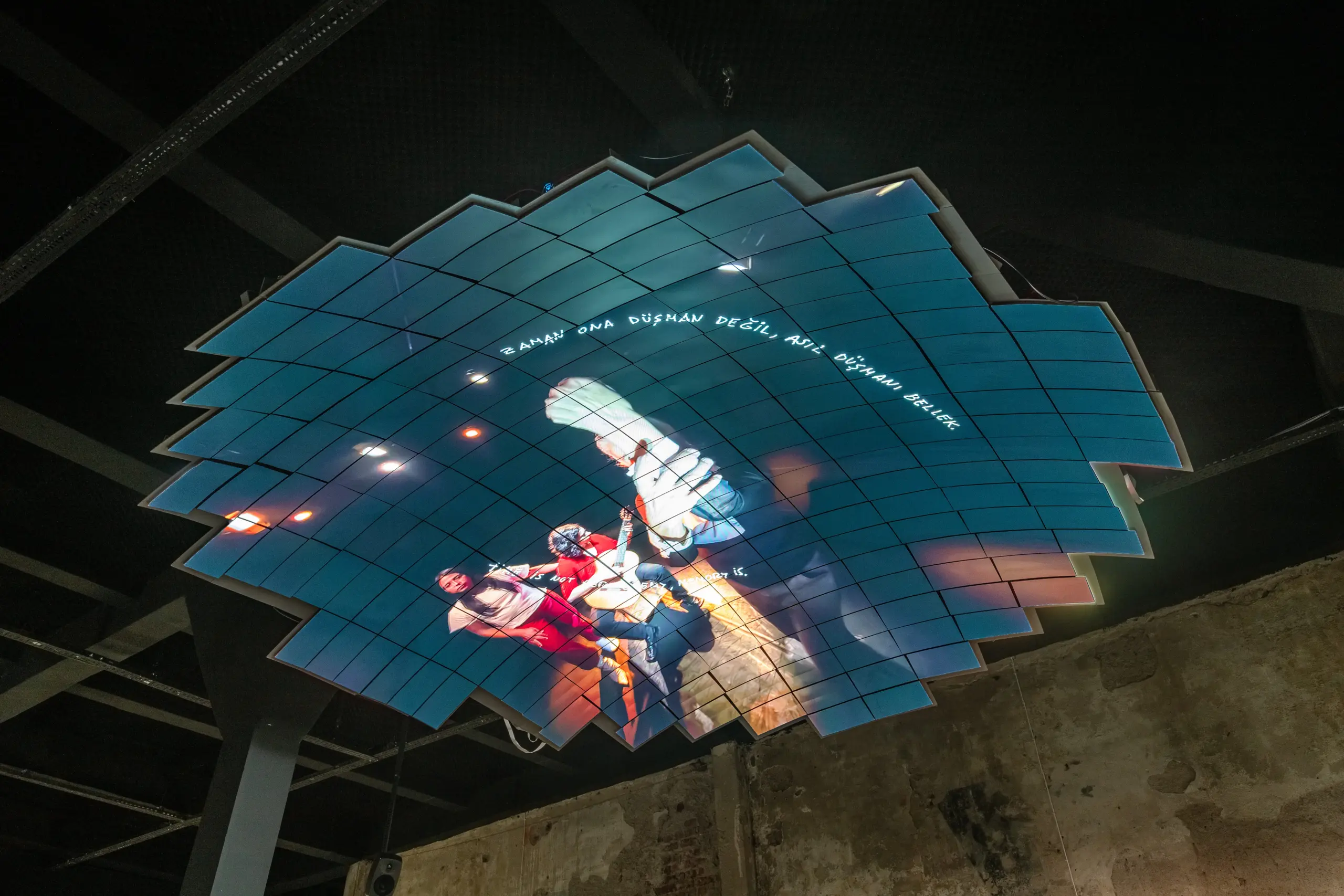
Külah Factory, a two-story, high-ceilinged building that once produced ice cream cones, now appears in the 18th Istanbul Biennial as a transformed space for art and interaction, hosting various cultural events such as artisan markets, exhibitions, and concerts.
Artists: Doruntina Kastrati, Claudia Pagès Rabal
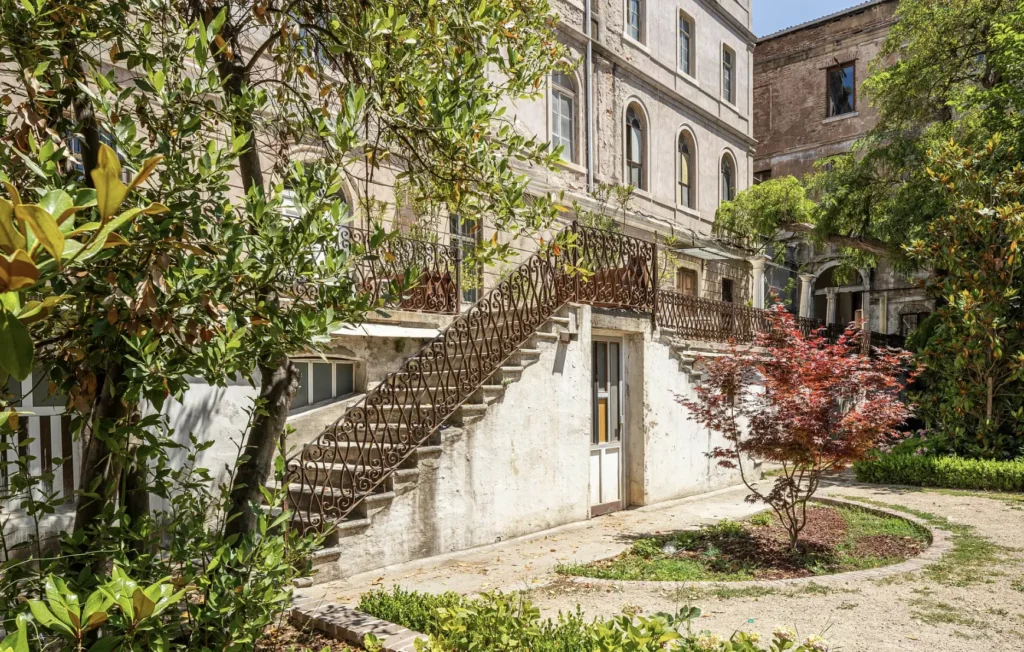
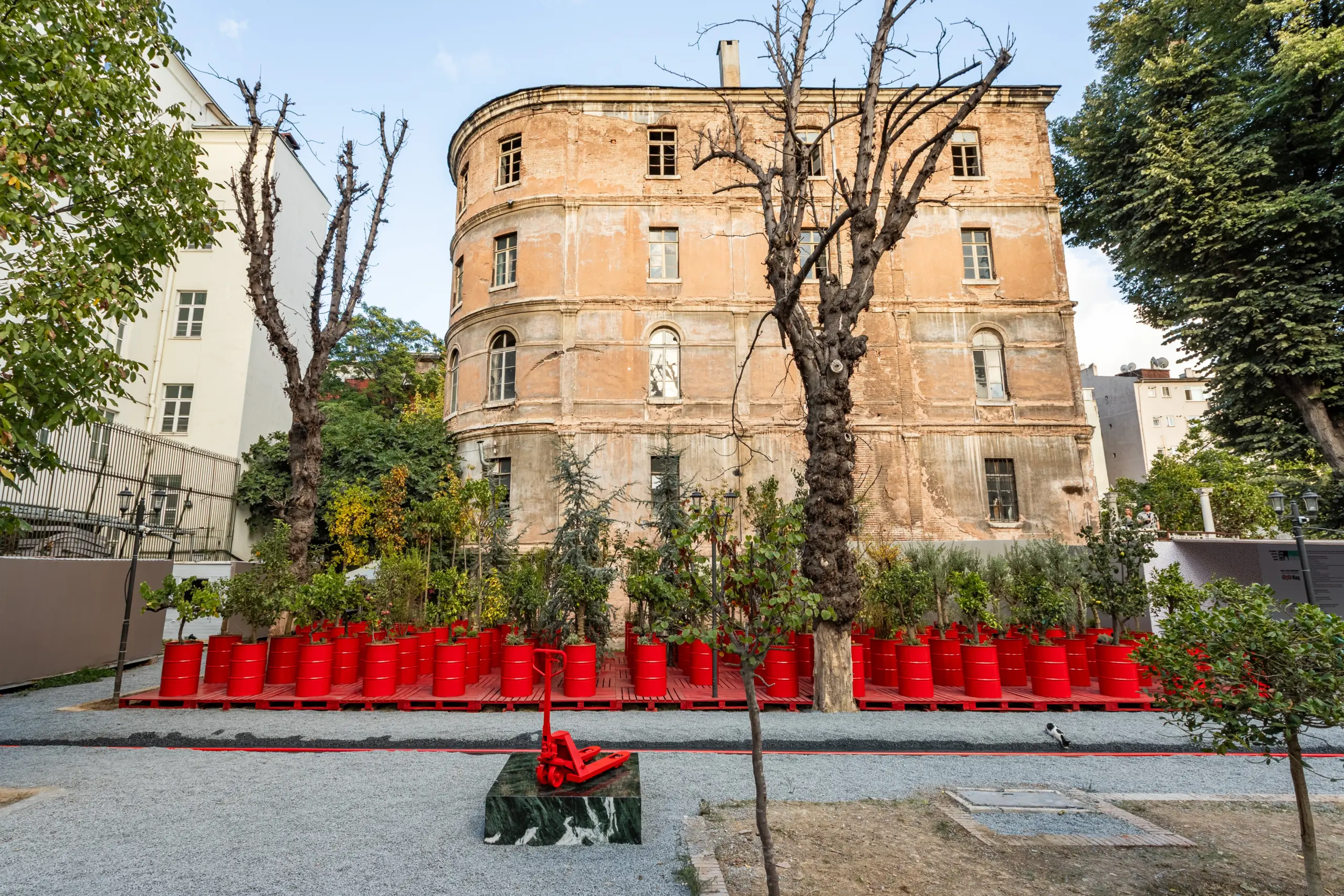
The Garden of the Former French Orphanage, allocated in 1869 by Sultan Abdülaziz to the Sisters of Charity of Saint Vincent de Paul on the condition that it be used as an orphanage, served as both an orphanage and a primary school until 1937. The garden of the now-unused building currently functions as a public social facility under the name “Tophane Mekan.” As part of the 18th Istanbul Biennial, it hosts an installation by artist Khalil Rabah.
Artists: Khalil Rabah
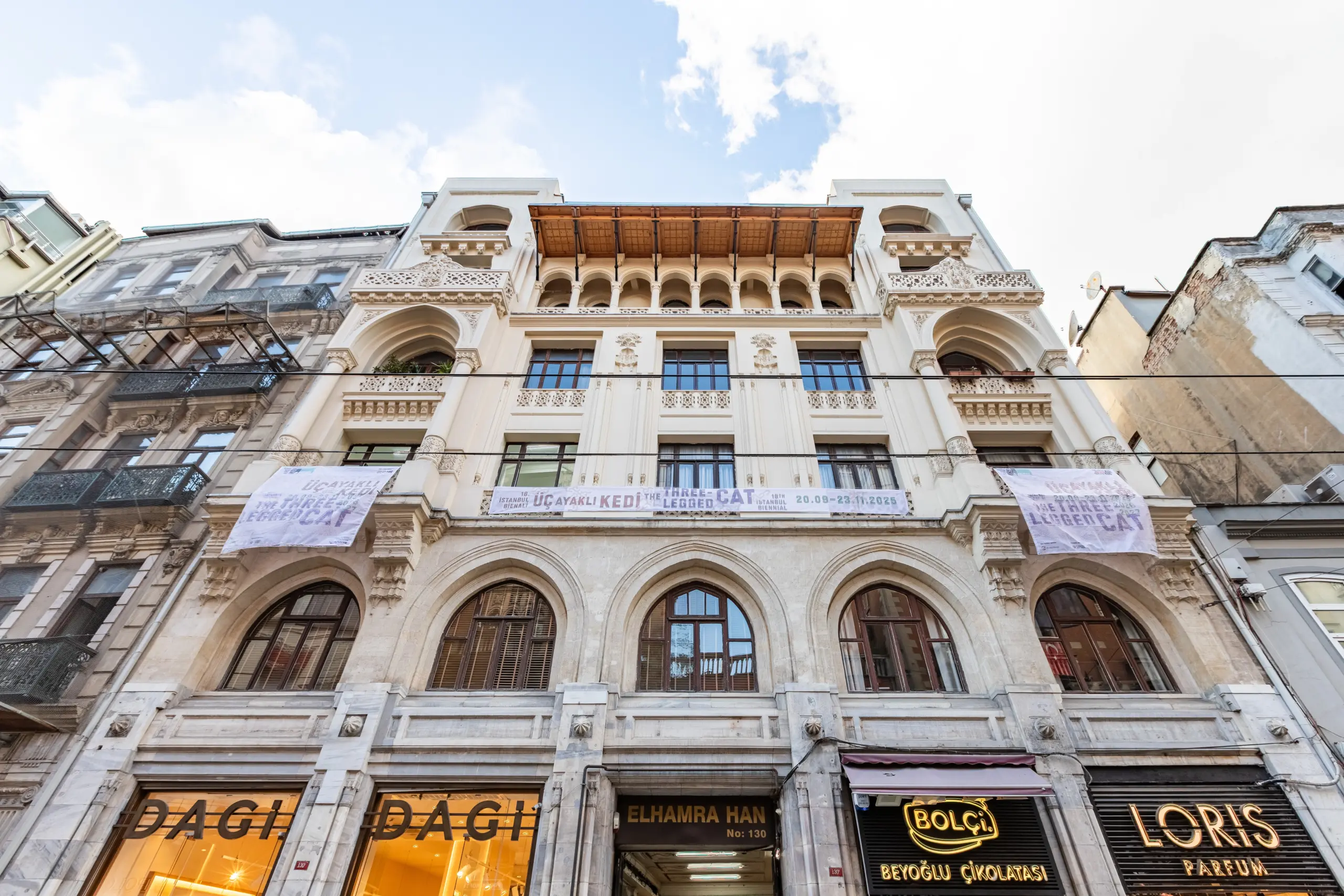
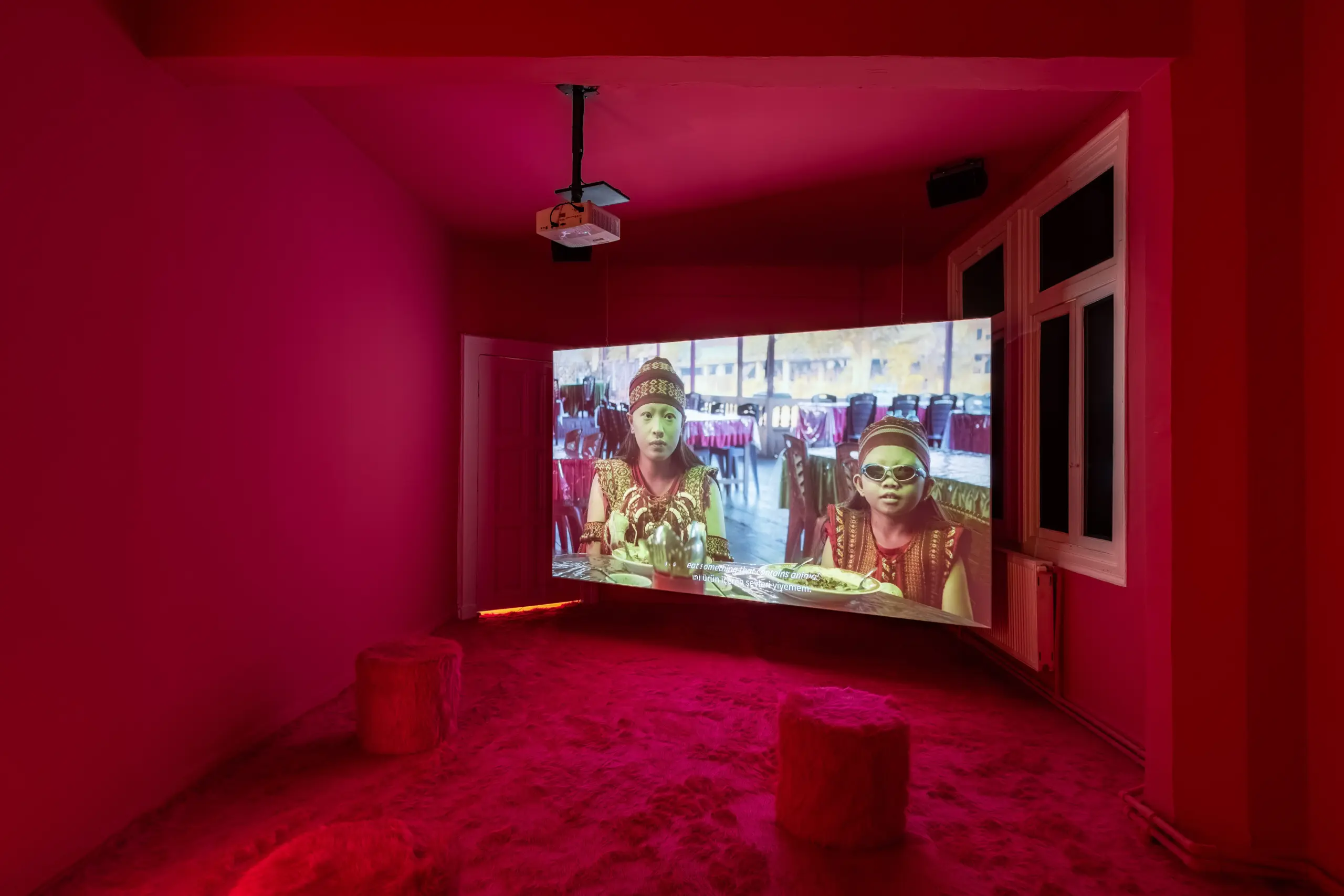
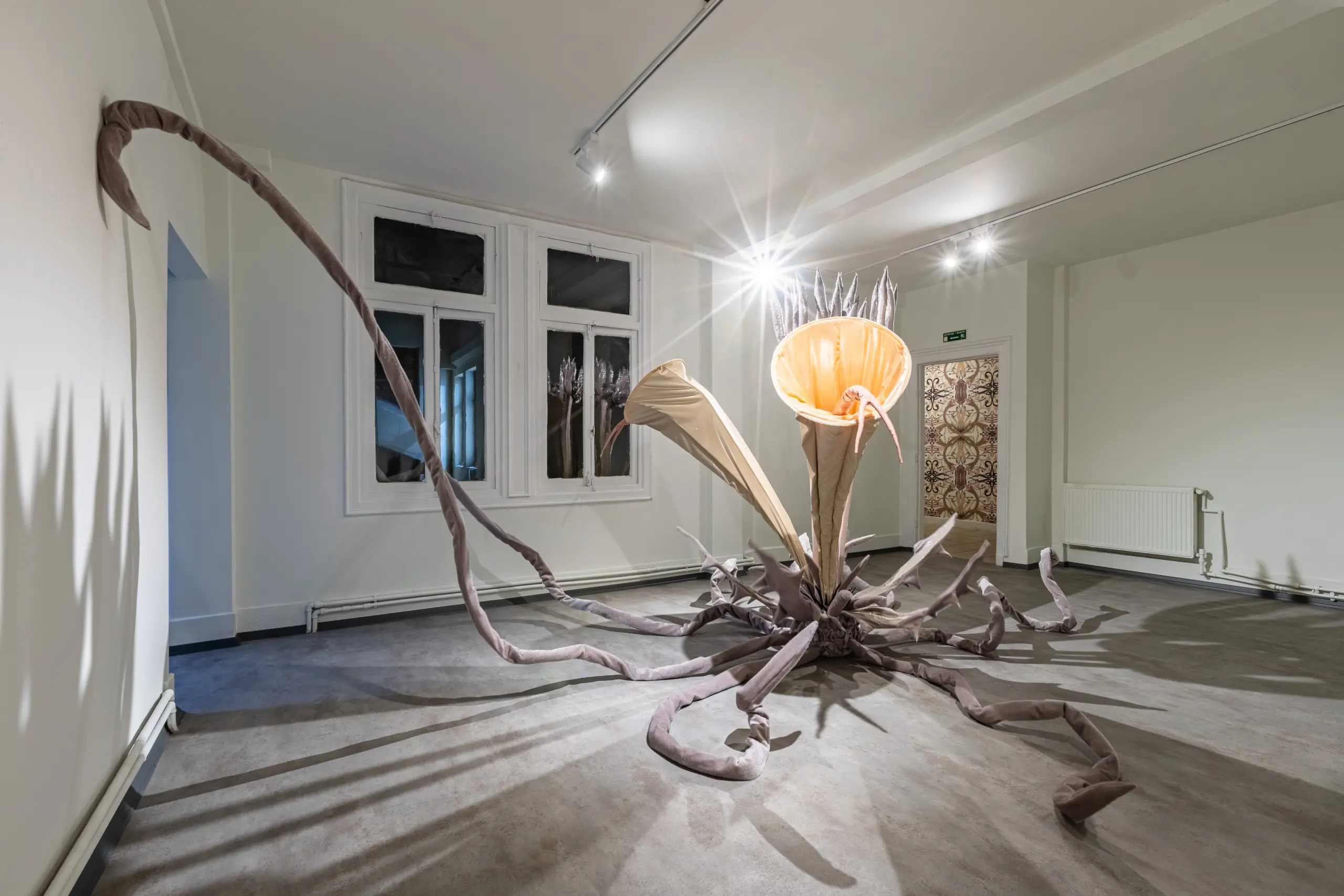
Elhamra Han, located on İstiklal Avenue, was built in 1827 as one of the city’s first theater halls. Two apartments on the building’s second floor are being used as an exhibition space for the first time as part of the 18th Istanbul Biennial.
Artists: Mona Benyamin, Şafak Şule Kemancı, Jagdeep Raina, Riar Rizaldi, Lara Saab, Natasha Tontey, Sevil Tunaboylu
Muradiye Han, completed in 1914, has held an important place in the commercial life of Karaköy. During the occupation of Istanbul, it was used by French military forces and came to be known as Muradiye Station. In the building, which underwent restoration in 2021, an installation is displayed on the ground floor as part of the biennial.
Artist: Ana Alenso
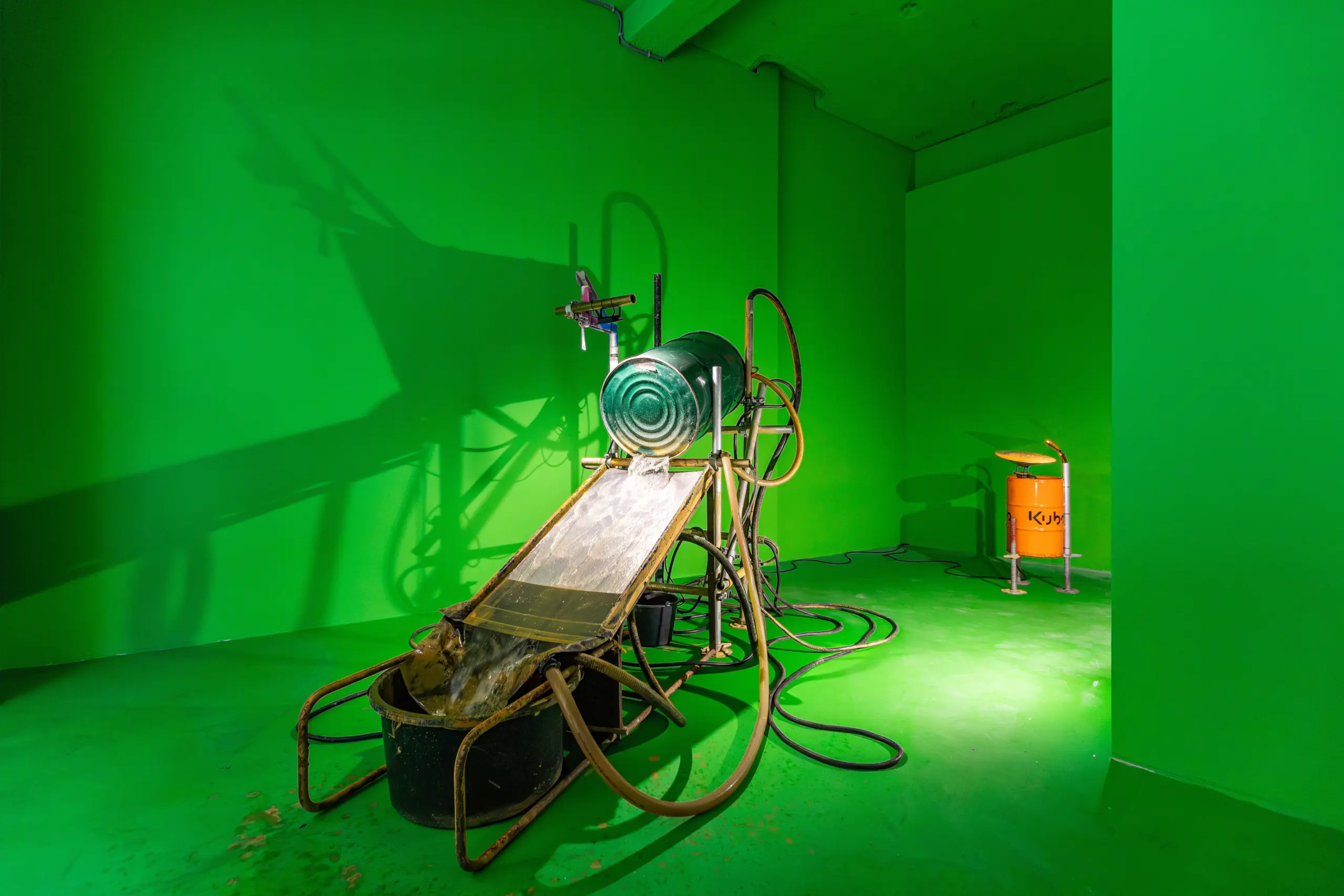
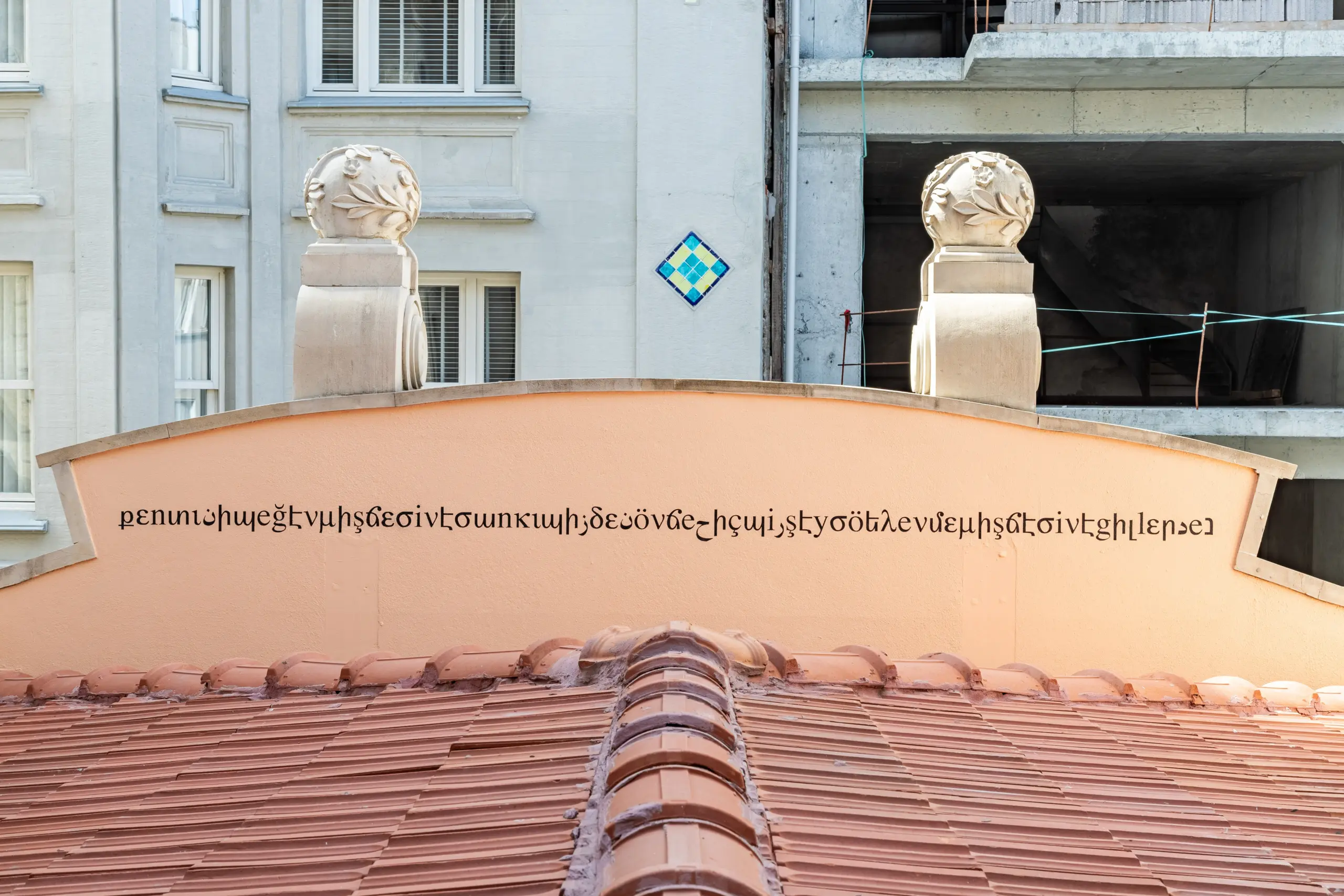
Located in Karaköy, the entire four-story building of Gallery 77, which formerly served as a warehouse, is being used as an exhibition space for the 18th Istanbul Biennial.
Artists: Haig Aivazian, Ola Hassanain, Mona Marzouk, Dilek Winchester
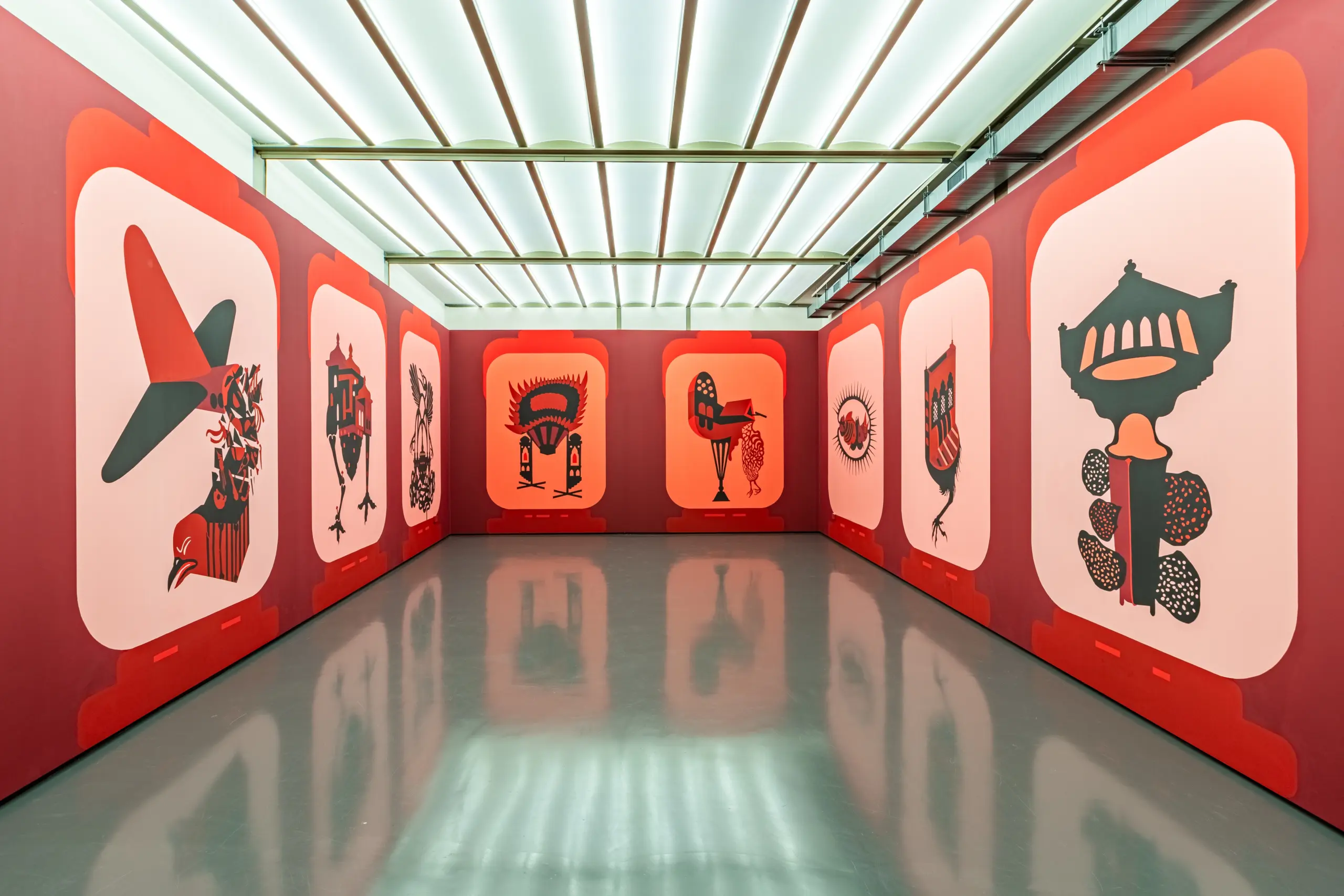
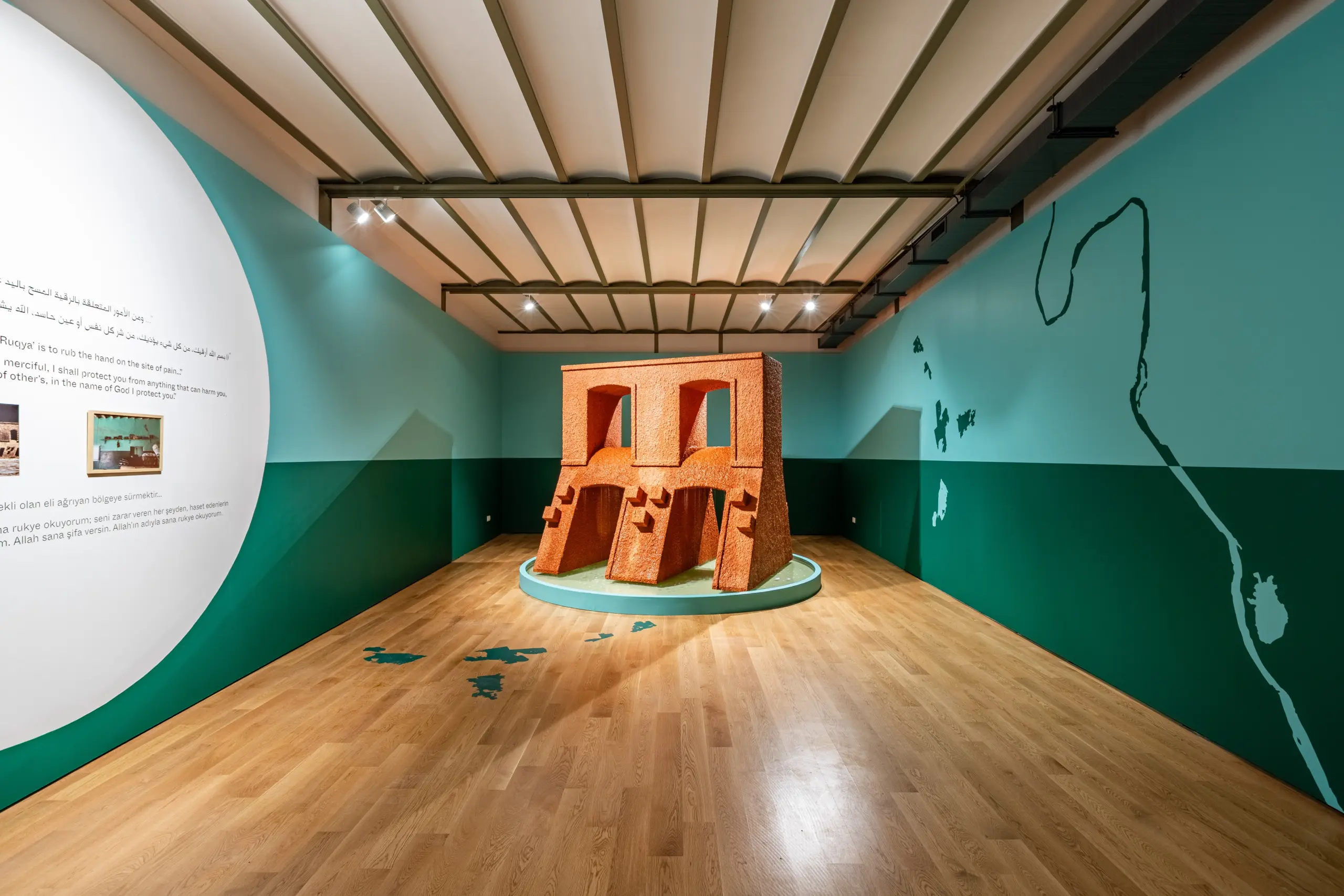
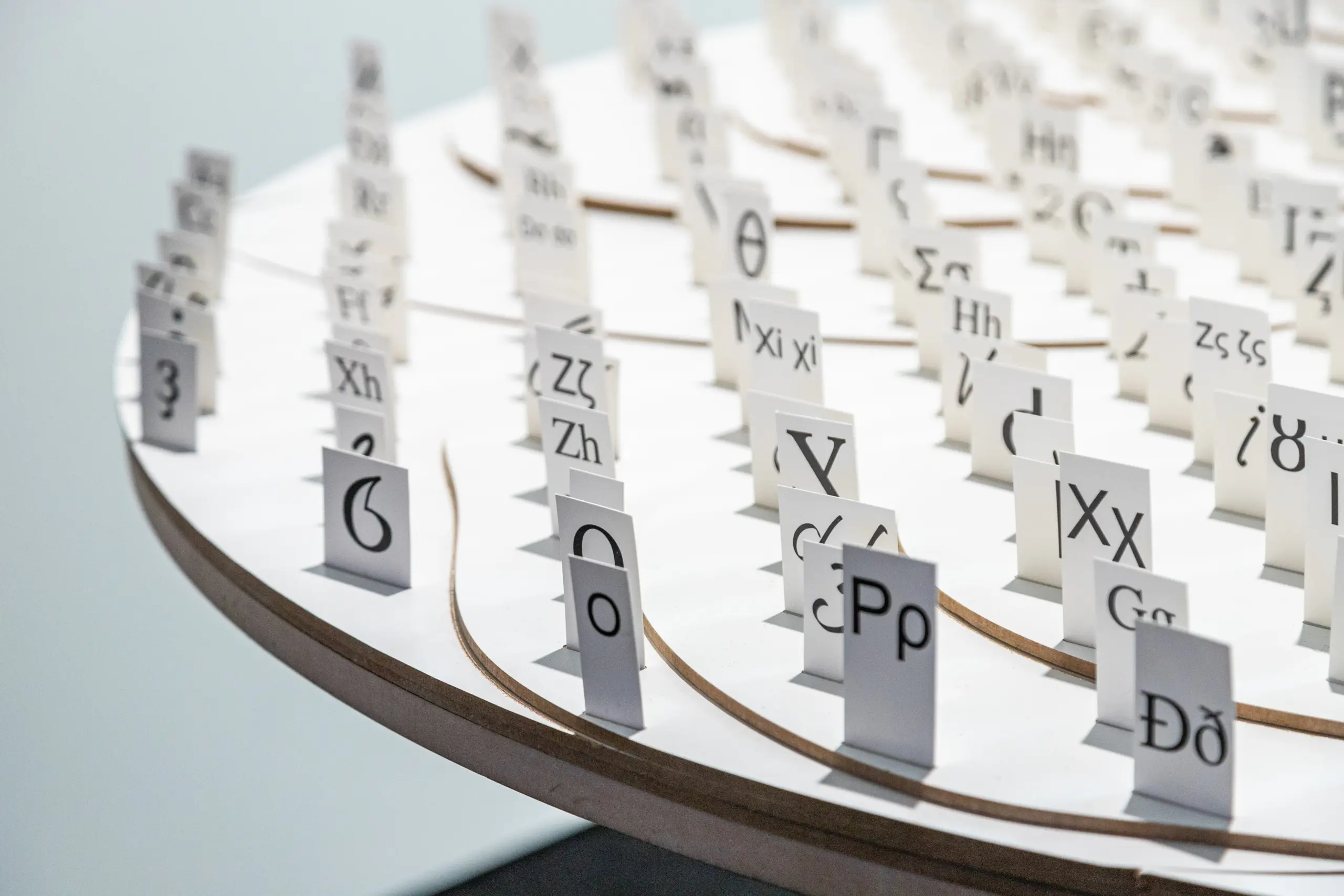
Participating artists in the first leg of the biennial:
Haig Aivazian (b. 1980) – Born and lives in Beirut.
Abdullah Al Saadi (b. 1967) – Born and lives in Khor Fakkan.
Ana Alenso (b. 1982) – Born in Caracas, lives in Berlin.
Willy Aractingi (b. 1930, d. 2003) – Born in New York, lived between Paris and Beirut, passed away in Barcelona.
Karimah Ashadu (b. 1985) – Born in London, lives between Hamburg and Lagos.
Mona Benyamin (b. 1997) – Born in Haifa, lives between Haifa and New York.
Chen Ching-Yuan (b. 1984) – Born in Tainan, lives in Taipei.
Ian Davis (b. 1972) – Born in Indianapolis, lives in Los Angeles.
Nolan Oswald Dennis (b. 1988) – Born in Lusaka, lives in Johannesburg.
İpek Duben (b. 1941) – Born and lives in Istanbul.
Celina Eceiza (b. 1988) – Born in Tandil, lives in Buenos Aires.
Ali Eyal (b. 1994) – Born in Baghdad, lives in Los Angeles.
Eva Fàbregas (b. 1988) – Born and lives in Barcelona.
Simone Fattal (b. 1942) – Born in Damascus, lives in Paris.
Lou Fauroux (b. 1998) – Born in Mulhouse, lives in Seine-Saint-Denis.
Pélagie Gbaguidi (b. 1965) – Born in Dakar, lives in Brussels.
Lungiswa Gqunta (b. 1990) – Born in Gqeberha, lives in Cape Town.
Rafik Greiss (b. 1997) – Born in Cairo, lives in Paris.
Ola Hassanain (b. 1985) – Born in Khartoum, lives in Utrecht.
Doruntina Kastrati (b. 1991) – Born in Prizren, lives in Pristina.
Jasleen Kaur (b. 1986) – Born in Glasgow, lives in London.
Şafak Şule Kemancı (b. 1975) – Born and lives in Istanbul.
Kongkee (b. 1977) – Born in Sarawak, lives between Hong Kong and London.
Seta Manoukian (b. 1945) – Born in Beirut, lives in Los Angeles.
Mona Marzouk (b. 1968) – Born in Alexandria, lives in Helsinki.
Merve Mepa (b. 1985) – Born in Kocaeli, lives in Istanbul.
Valentin Noujaïm (b. 1991) – Born in Angers, lives between Paris and Athens.
Claudia Pagès Rabal (b. 1990) – Born and lives in Barcelona.
Pilar Quinteros (b. 1988) – Born in Santiago, lives in Basel.
Khalil Rabah (b. 1961) – Born in Jerusalem, lives in Ramallah.
Jagdeep Raina (b. 1991) – Born in Guelph, lives in New York.
Marwan Rechmaoui (b. 1964) – Born and lives in Beirut.
Naomi Rincón-Gallardo (b. 1979) – Born in North Carolina, lives between Oaxaca and Mexico City.
Riar Rizaldi (b. 1990) – Born in Bandung, lives in Yogyakarta.
Lara Saab (b. 1991) – Born in Montreal, lives in Beirut.
Sara Sadik (b. 1994) – Born in Bordeaux, lives in Marseille.
Stéphanie Saadé (b. 1983) – Born in Beirut, lives between Beirut and Paris.
Sohail Salem (b. 1974) – Born and lives in Gaza.
Elif Saydam (b. 1985) – Born in Calgary, lives between Berlin and Izmir.
Selma Selman (b. 1991) – Born in Bihać, lives between Amsterdam, New York, and Bihać.
Natasha Tontey (b. 1989) – Born in Minahasa, lives between Yogyakarta and Jakarta.
Sevil Tunaboylu (b. 1982) – Born and lives in Istanbul.
VASKOS (f. 2014) – Vassilis Noulas was born in 1975 in New York, and Kostas Tzimoulis was born in 1974 in Thessaloniki. VASKOS was founded in 2014 in New York and currently continues to work in Athens.
Ana Vaz (b. 1986) – Born in Brasília, lives in Paris.
Dilek Winchester (b. 1974) – Born and lives in Istanbul.
Akram Zaatari (b. 1966) – Born in Saida, lives in Beirut.
Ayman Zedani (b. 1984) – Born in Abha, lives between Riyadh and Sharjah.
A Shared Space for Gatherings and Events: Zihni Han Second Floor
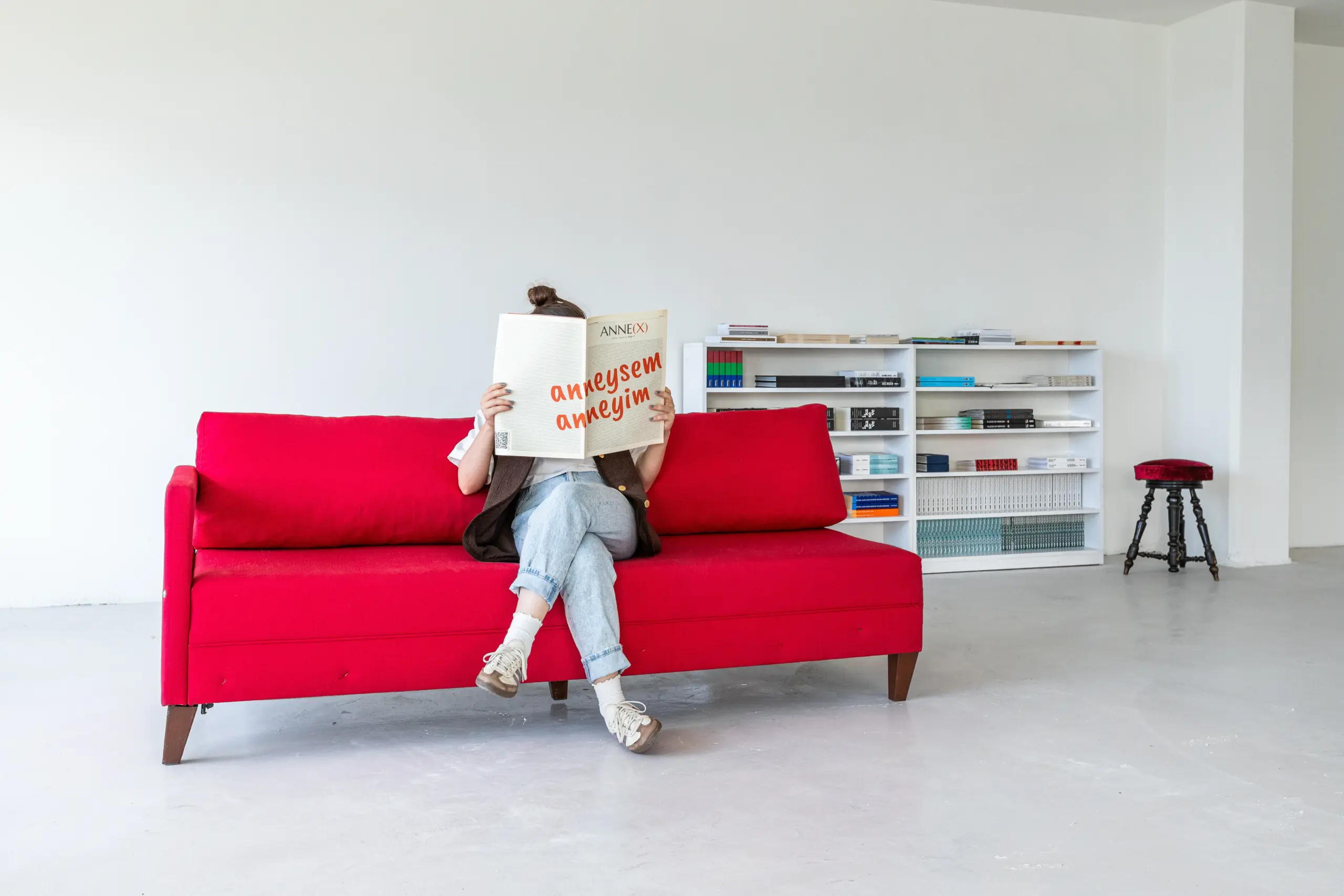
The second floor of Zihni Han has been designed as an open area where biennial visitors can pause, rest, and spend time together.
Throughout the biennial, Zihni Han Second Floor will be open to proposals from anyone who wishes to use the space for their own events. Those interested in organizing a gathering, talk, workshop, or another type of activity can send their proposals to ist.biennial.zihnihan2@iksv.org. The program, which will run from 20 September to 23 November, will be scheduled according to the biennial calendar, updated regularly, and can be followed via the QR code available in the space.
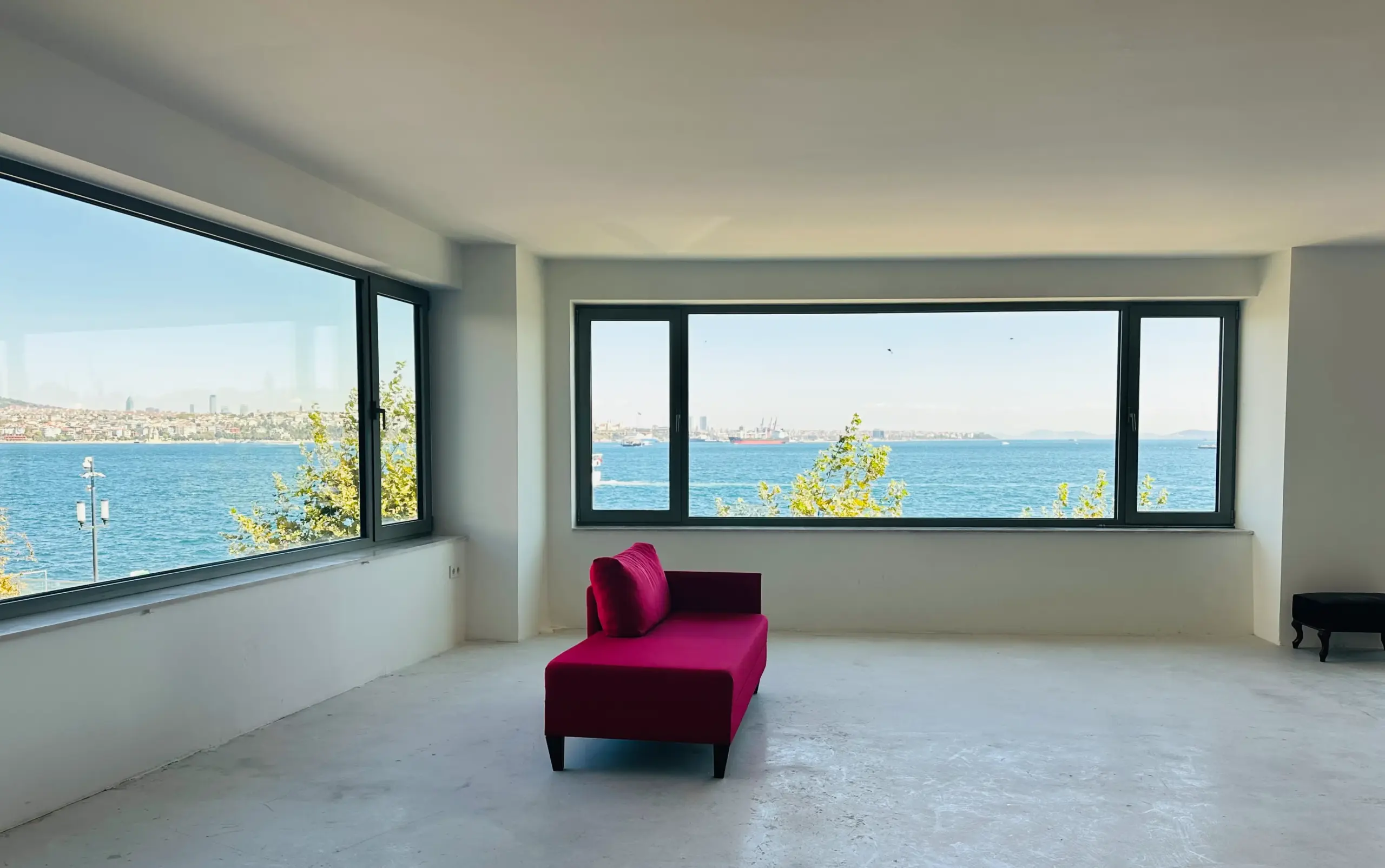
This floor also hosts a small library featuring books that directly or indirectly relate to the exhibition. Visitors are welcome to browse the books and contribute new ones, allowing the library to continue growing as a shared resource.
18th Istanbul Biennial Visiting Days and Hours
The 18th Istanbul Biennial can be visited free of charge at all venues, every day except Monday, between 10:00 and 18:00. As a special occasion during the opening week, the exhibitions will also be open on Monday, 22 September.
Supporters of the 18th Istanbul Biennial
Organized by the Istanbul Foundation for Culture and Arts (İKSV) with the support of Koç Holding, which has been the Biennial Sponsor since 2007, the 18th Istanbul Biennial once again welcomes visitors free of charge this year.
The Eczacıbaşı Group, the Founding Sponsor of İKSV, supports all the foundation’s festivals and biennials.
About the 18th Istanbul Biennial
Organized by İKSV and supported by Biennial Sponsor Koç Holding (2007–2036), the 18th Istanbul Biennial is open to the public free of charge. Spanning three years and encompassing two exhibitions and an academic program, the biennial is hosted across eight venues in Istanbul with additional support from various institutions, organizations, international funders, and grant bodies.
The advisory board of the 18th Istanbul Biennial includes academic and critic Ahu Antmen, curator Lydia Gatundu Galavu, artist Gözde İlkin, researcher, curator, and artistic director Renan Laru-an, and curator and museum director Sally Tallant.
For more information: bienal.iksv.org