


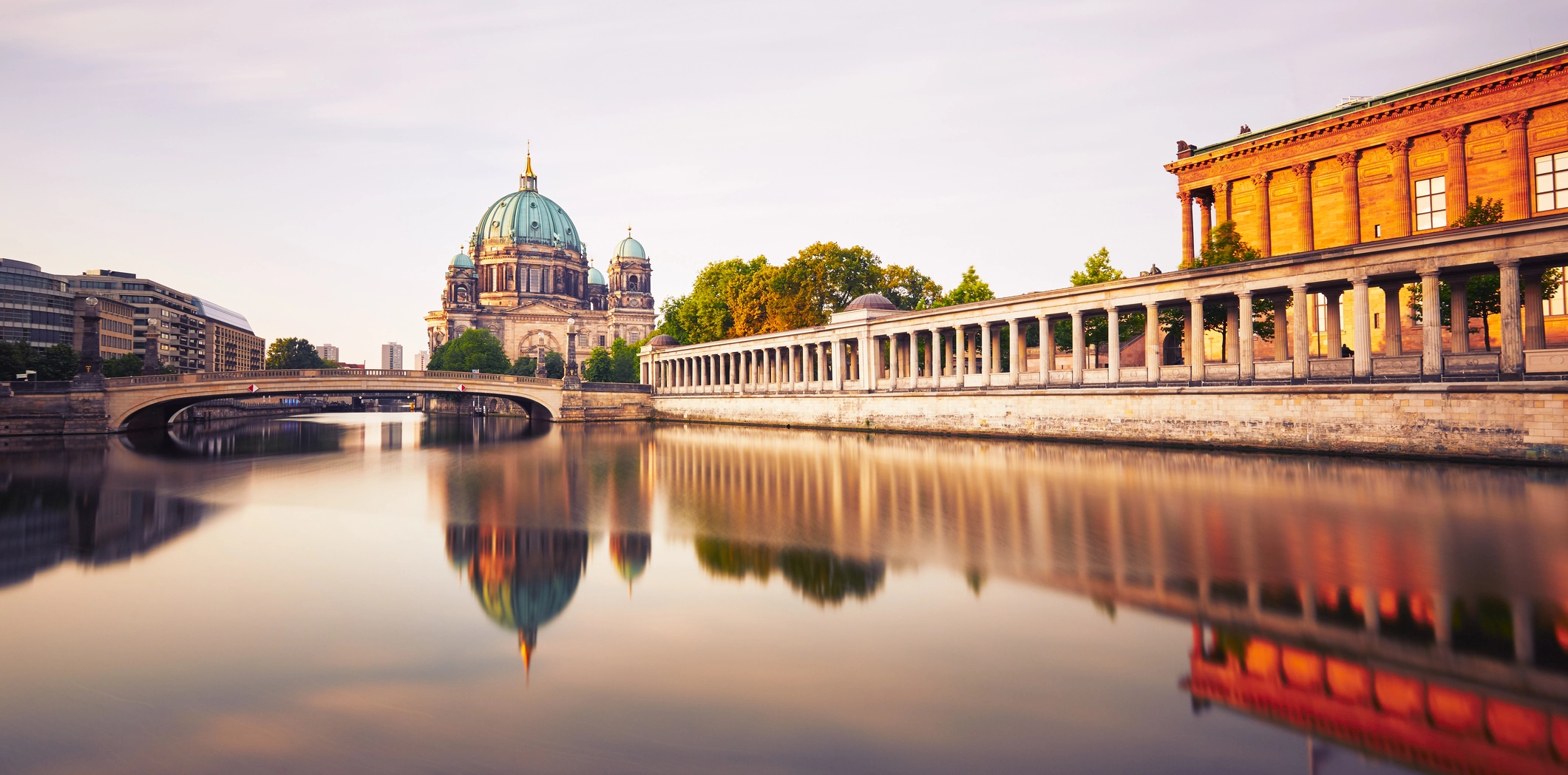
It is difficult to define Berlin with a single adjective, because what makes Berlin special as an art and culture center is its multiculturalism and diversity. Each neighborhood has its own texture, voice, and artistic excitement, and it is through the coexistence and interaction of these different styles that Berlin emerges. On the one hand, there are galleries and museums with a strong history, and on the other, alternative art corners that provide a platform for new experiments. Berlin is a dynamic and ever-evolving art scene where diversity, experimentation, innovation, and history coexist
As the birthplace of 19th-century German Romanticism, Berlin, which bears important traces of romantic art, later became an important center of modernism and experimental art. Berlin, which has been under the influence of constant change in the last century, has hosted many different cultural movements. Reunified after the fall of the Berlin Wall, the city became a bridge between the cultures and art worlds of East and West Germany. Berlin’s current reputation for inclusivity and open-mindedness is perhaps based on this historic legacy of breaking down barriers and forging connections. Throughout the 20th century, subcultures ranging from punk to techno flourished in Berlin. Berlin’s deep-rooted history of social activism, the presence of diverse immigrant communities, and open-mindedness deeply embedded in the city’s culture offer artists today a space for freedom and experimentation. Those who want to explore Berlin’s rich artistic fabric where mainstream and alternative intersect can follow the route below!
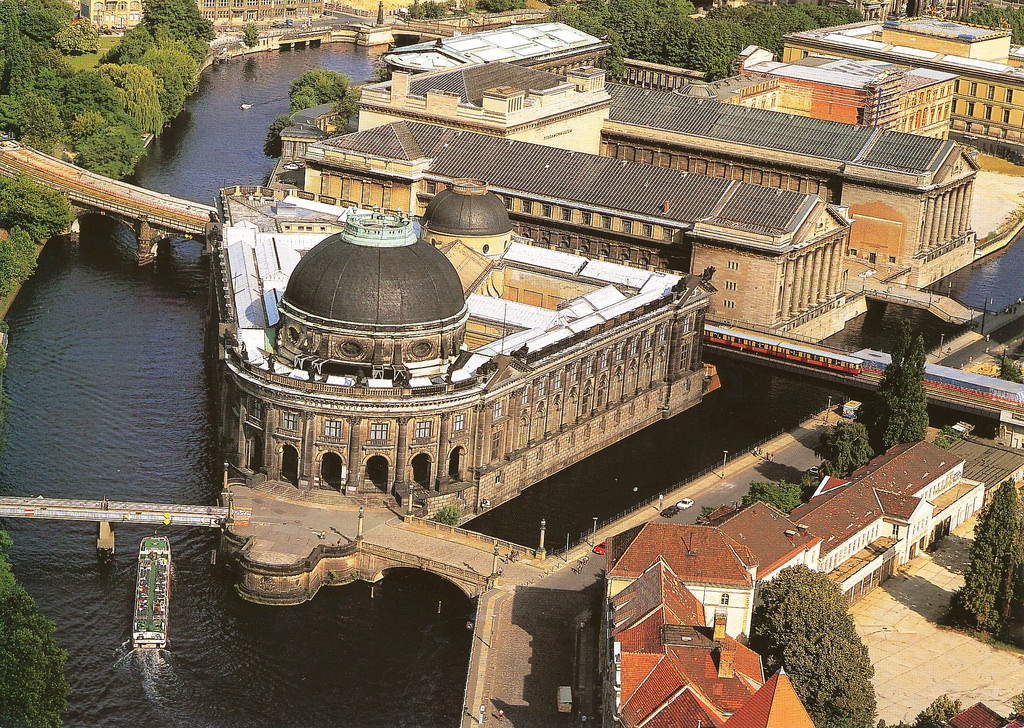
1. Museum Island: Pergamon Museum, Neues Museum, Altes Museum, and Alte Nationalgalerie
Berlin’s Museum Island is a great starting point for exploring the city. Surrounded by the River Spree, this island hosts collections that contain a vast treasure of art and culture. Bringing together some of the city’s most impressive historical and cultural buildings, Museum Island includes five major museums and a cathedral. With structures from different periods and architectural styles, they create a captivating silhouette against the river view, offering visitors both an artistic and architectural historical journey. From Ancient Egyptian art to the Renaissance, from Ancient Greece to the romantic works of 19th-century Germany, artworks from different eras can be seen in these museums. Among the most important museums on Museum Island, the Pergamon Museum, Neues Museum, Altes Museum, and Alte Nationalgalerie are must-visits. Berlin’s Museum Island is a world-renowned cultural heritage site that attracts both art lovers and history enthusiasts alike.
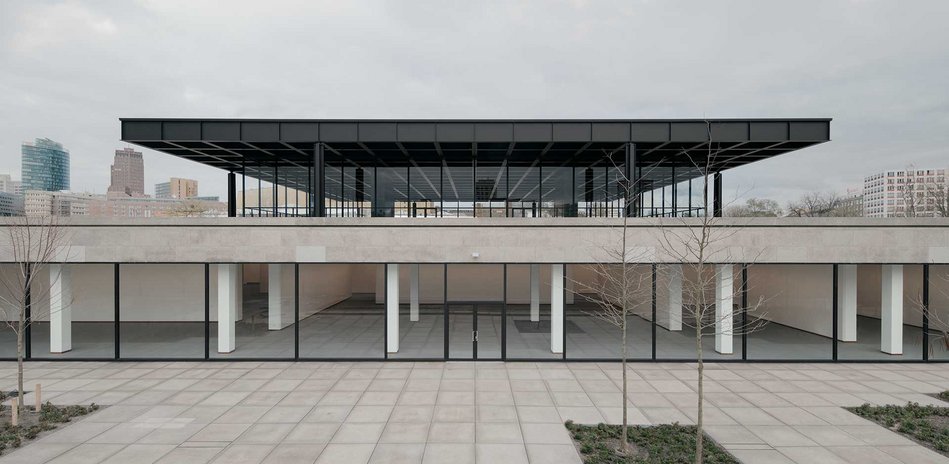
2. Neue Nationalgalerie: The Neue Nationalgalerie, or New National Gallery, can be your next stop after Museum Island as you explore Berlin’s art scene. This iconic example of modern architecture was designed in 1968 by Mies van der Rohe, one of the prominent figures of the Bauhaus movement. It can be considered a key archive of Berlin’s Bauhaus style and modern architecture. With its design summarized by Mies van der Rohe’s famous phrase “less is more,” this building may be the most prominent and visible example of the minimalist architectural philosophy, stripped of unnecessary ornamentation. With its clean steel frames, glass walls, and wide open spaces, the building has been a source of inspiration for many architects and designers since the day it was built. The gallery, which offers a perfect blend of design aesthetics and functionality, is located within the Berlin Kulturforum, a complex that brings together institutions of art, music, and literature. Housing a rich collection featuring works by renowned artists such as Picasso, Klee, and Beckmann, the Neue Nationalgalerie allows you to explore bold and original expressions of modern art. After your visit, you can check out other cultural and art events at Kulturforum. Among nearby landmarks, the Berlin Philharmonic building stands out for its distinctive architecture!

3. Gropius Bau: Gropius Bau is one of Berlin’s key cultural and artistic venues. The historic building, named after Walter Gropius, the founder of the famous Bauhaus school of art and design, was constructed in the 18th century. Showcasing works by both local and international artists, this venue offers art lovers a rich and diverse artistic experience.

4. Hamburger Bahnhof: With its impressive architecture, Hamburger Bahnhof is one of Berlin’s major contemporary art museums. Originally one of Germany’s largest train stations until the late 19th century, the building was transformed into a contemporary art museum in 1996. Blending historical architecture with modern art, Hamburger Bahnhof houses a vast collection featuring works by renowned artists such as Andy Warhol, Joseph Beuys, and Robert Rauschenberg. In addition to its permanent collection, the museum hosts temporary exhibitions and outdoor performances in its garden, making it one of the key hubs of Berlin’s art scene.
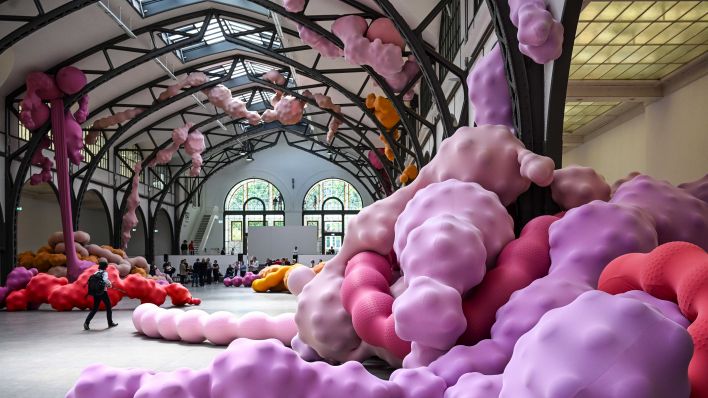
5. Berlinische Galerie: Located in a modernist factory building, the Berlinische Galerie is one of the key centers of modern art in Berlin. Its permanent exhibition, titled “Art in Berlin 1880–1980,” showcases a chronological selection of works across painting, graphic art, sculpture, photography, and architecture, reflecting the city’s history and cultural evolution. In addition to this, the Berlinische Galerie also hosts various temporary exhibitions, making it a must-visit destination for anyone interested in modern art in Berlin.

6. König Galerie: Formerly known as St. Agnes Church, this unique venue has hosted König Galerie since 2012. This magnificent and brutalist monumental structure, which won the Berlin Architecture Award in 2016, offers visitors an impressive spatial experience while showcasing contemporary artworks. Located in Kreuzberg, one of the city’s hip and alternative neighborhoods, you can explore this alternative cultural hub of Berlin further by visiting nearby cafés and taking a walk along the canal after your gallery visit.

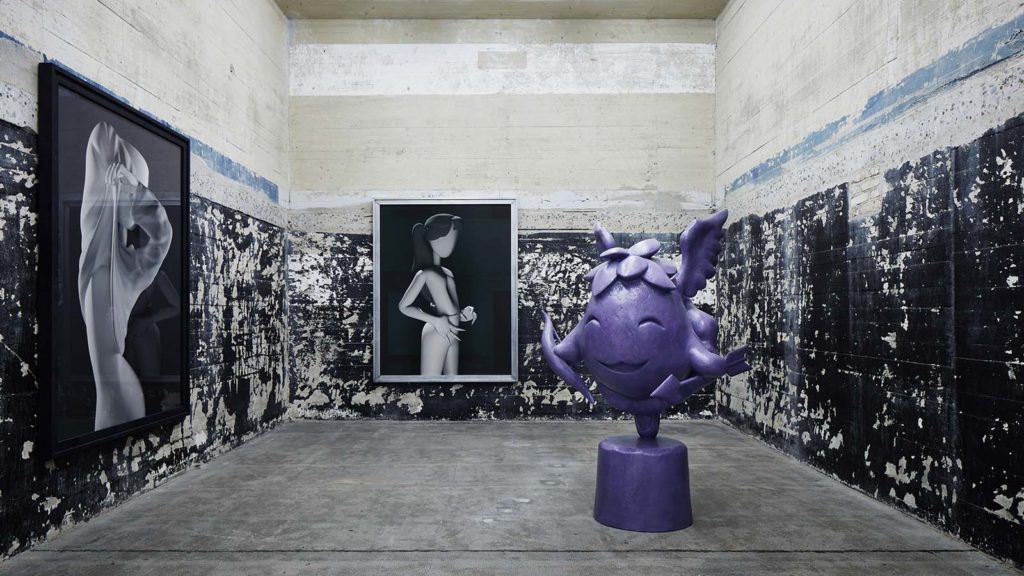
7. Boros Foundation: Housed in a converted former bunker, the Boros Foundation features a private contemporary art collection. The historic structure of the bunker creates a striking contrast with the modern artworks inside, offering a unique perspective within Berlin’s art scene. The collection, owned by Christian and Karen Boros, is exhibited inside this former air raid shelter, highlighting themes of sustainability in architecture and the preservation of historical texture.
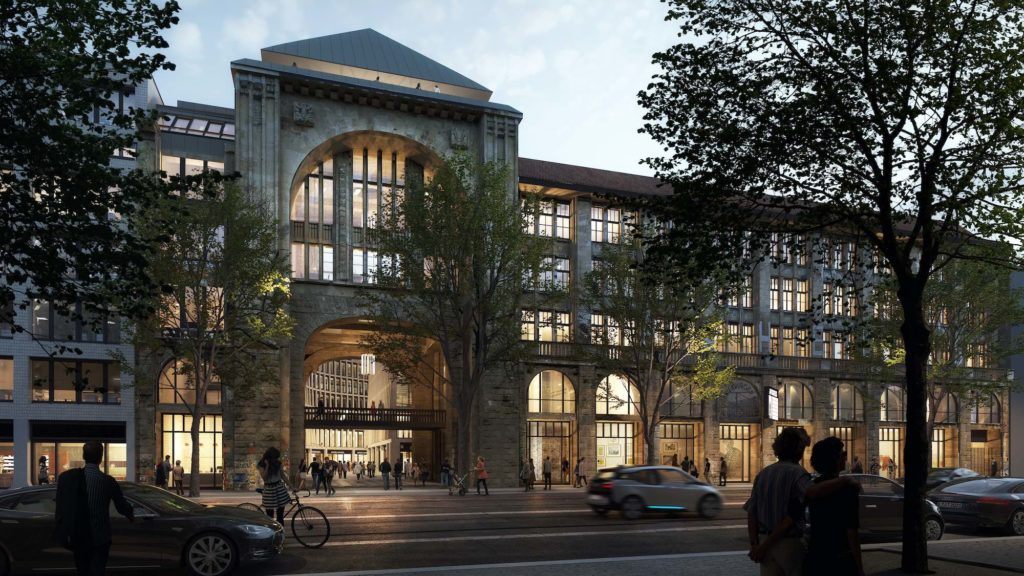
8. Fotografiska Berlin: Following its locations in Stockholm, New York, and Tallinn, Fotografiska Berlin opened in 2023 in the heart of the city. Situated among historic buildings, this venue offers an atmosphere focused on the artistic expression and impact of photography through its impressive interior design. Additionally, it serves as a center for learning and discovery by offering photography-related courses, workshops, and events for all who are passionate about the art form. Fotografiska Berlin is a perfect destination for those who wish to explore the power and influence of photography.
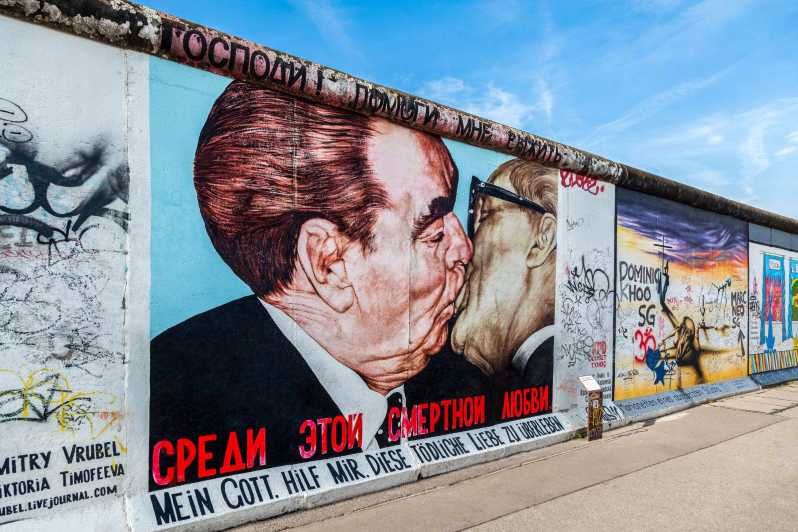
9. Street Art: East Side Gallery and Guided Berlin Street Art Tours: Located along the remnants of the Berlin Wall, the East Side Gallery is known as the world’s longest open-air gallery. Shortly after the Wall fell, 118 artists from 21 countries painted their works on a 1.3-kilometer stretch along the Spree River, and the gallery officially opened on September 28, 1990. Today, the wall is protected as a monument and features 105 different murals. With iconic pieces such as Dmitri Vrubel’s “Fraternal Kiss” and Birgit Kinder’s Trabant breaking through the wall, the murals offer artistic commentary on the political events of the time. This unique site, which reflects Berlin’s transformation after the fall of the Wall, emphasizes the strong bond between art and the political climate of the era. The East Side Gallery is located in the Friedrichshain district, which became home to many artists and creatives after the Wall came down and still preserves its activist and artistic spirit. After visiting the open-air gallery, you can explore the neighborhood, known for its cafés, bars, and collective living and creative spaces.
Another option for discovering street art in Berlin is the guided street art tours known as the Alternative Berlin Tour. These guided walking tours cover Berlin’s alternative neighborhoods of Kreuzberg and Friedrichshain, where visitors can explore the stories behind this alternative art form—from massive murals to stencil graffiti—accompanied by insights into local street artists and historical context.
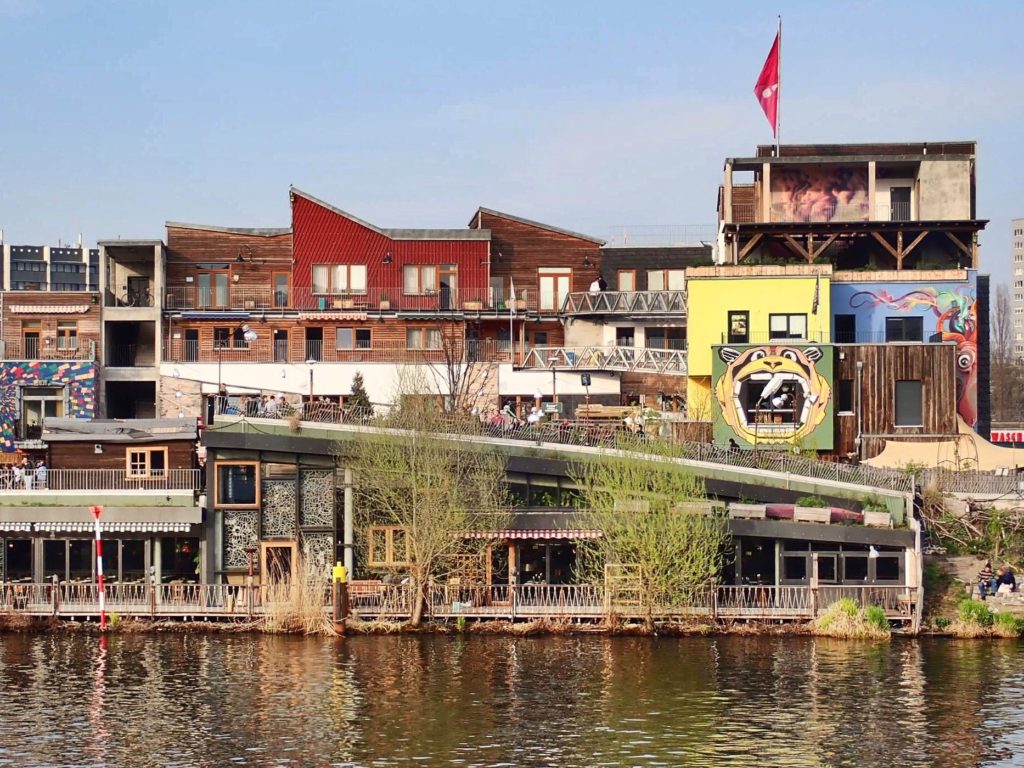
10. Holzmarkt25: Bringing together sustainability, community solidarity, and art, Holzmarkt 25 is one of the places where you can experience Berlin’s alternative culture. Located on a former railway site in the city center, this project resembles an art village with its variety of restaurants, bars, art studios, market space, club, and concert venues. Holzmarkt also hosts a Christmas Market throughout December and has a packed calendar of events that changes throughout the year.
11. KINDL Contemporary Art Center: Located in the Neukölln district, KINDL is an exhibition space housed in a restored historic brewery, standing out with its distinctive architecture. This contemporary art center focuses on painting, sculpture, and experimental performances, and its temporary exhibitions feature both local and international artists. After visiting KINDL, one of the key venues for contemporary art in Berlin, you can explore Neukölln—one of the city’s young, alternative, and cosmopolitan neighborhoods—and take a walk through Tempelhof, one of Berlin’s largest parks, converted from a former airport.

12. Berlin Art Week: Bringing together both local artists and leading figures from the international art world, Berlin Art Week is one of the must-see events in the city. Held once a year, the event offers a rich program including museums, galleries, fairs, private collections, performances, film screenings, guided tours, and various other activities. You can find the highlights of the 12th edition of Berlin Art Week, which took place from September 13–17, 2023, in the Berlin Artweek 2023 article.

Irmak Pekel